


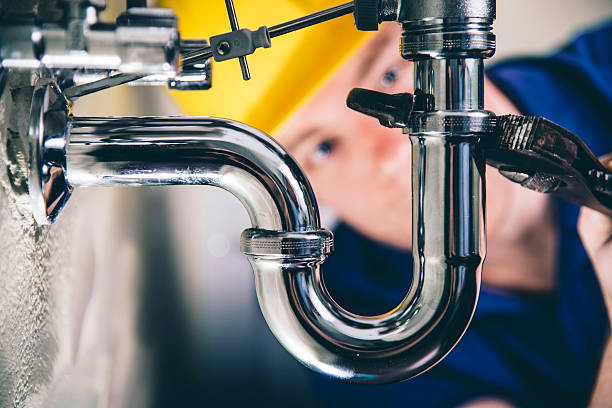
Plumbing keeps your daily life moving without a hitch every single day. You rely on clean water and working drains for cooking, cleaning, and bathing. Small issues can turn into massive headaches if they are left alone for too long.
Understanding these common problems helps you maintain a healthy home environment and avoid huge repair costs. You should pay attention to how your pipes and fixtures act when you use them. Catching a small leak early can save you thousands of dollars in the long run.
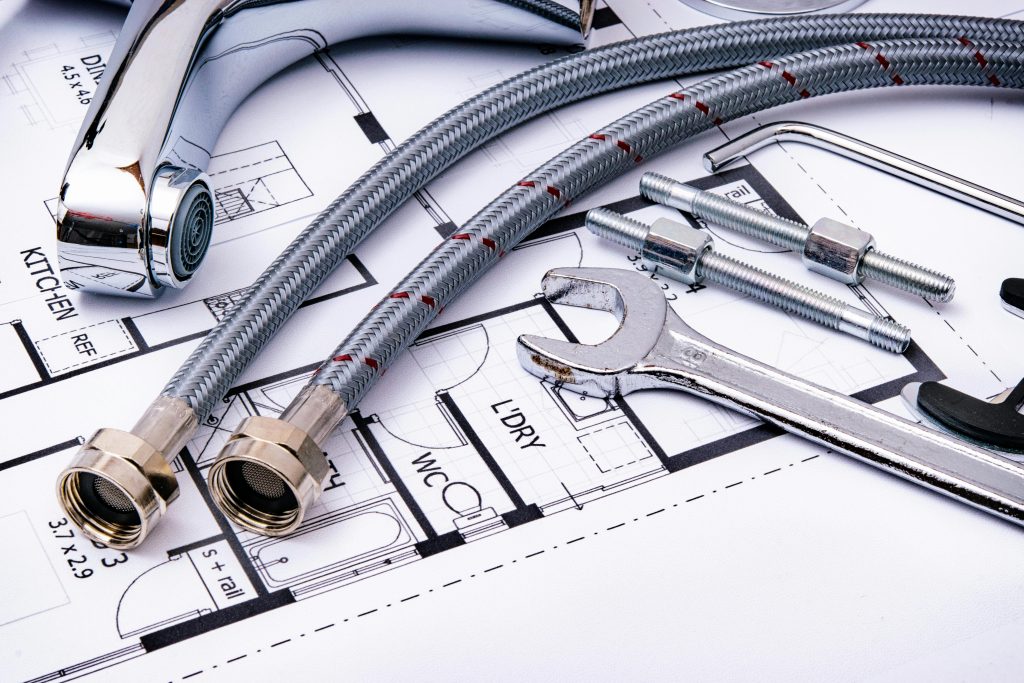
Persistent Dripping Faucets
A steady drip from a faucet is more than just an annoying sound that keeps you awake at night. It can waste hundreds of gallons of water over a single year of neglect. The waste adds up quickly and hits your bank account every month when the utility bill arrives.
These leaks usually happen when a small washer or O-ring wears out from regular use. Replacing these small parts is often a simple task for a handy homeowner with basic tools and a bit of patience. You can find replacement kits at any local hardware store for just a few dollars.
Ignoring the drip will only lead to higher water bills and potential damage to your fixtures. You should fix it before the constant moisture damages your sink finish or causes mold to grow under the cabinet. A quick repair now keeps your bathroom or kitchen looking great and functioning well.
Slow Draining Sinks And Tubs
Hair and soap scum often build up inside your bathroom pipes over several months of daily use. The debris creates a thick sludge that stops water from flowing away quickly through the drain. You might notice water pooling around your ankles while you take a shower in the morning.
Kitchen sinks often face grease buildup from cooking or small food scraps from the plates. A main sewer line backup happens when waste cannot leave the home properly due to a deep blockage. It can lead to expensive repairs if you ignore it for more than a few days.
Avoid using harsh chemicals to clear out the stubborn blockage in your drainage system. Mechanical snakes or professional cleaning are safer ways to protect your metal pipes from chemical damage. Regular cleaning helps prevent these clogs from stopping your routine entirely.
Low Water Pressure Struggles
Weak water flow makes showering or washing dishes a long and frustrating chore for everyone in the house. It often points to a problem with your fixtures or a leak in the main water line outside. You might find that only one faucet has the issue, which means the problem is local.
Mineral deposits can clog up your showerhead and reduce the flow of water. One online resource mentioned that sewage smells or water stains on walls are key signs of hidden leaks or blocked sewer lines. You should check for these signs if your pressure drops without a clear reason.
If the pressure drops suddenly across the whole house, check with your neighbors to see if they have issues too. Sometimes the local utility company is doing work on the street pipes that affect your home water supply. A broken pressure regulator can also cause your water flow to feel weak or inconsistent.
Water Heater Efficiency Drops
Cold showers in the morning are a sign that your water heater is failing or struggling to keep up with demand. Sediment builds up at the bottom of the tank and blocks the heating element from working well. It makes the unit work harder and use more energy to heat the same amount of water.
Flushing the tank once a year helps keep the system running at its best for a long time. Most tanks last around 10 to 12 years before they need a full replacement by a professional team. You can extend the life of your unit by checking the anode rod every few years.
Look for rust in the water or strange banging noises coming from the unit in your basement. These sounds mean the heating process is struggling to work through the thick gunk at the bottom of the tank. If you see water pooling around the base, you likely have a leak that needs immediate attention.
Running Toilets Waste Water
A toilet that runs constantly can waste thousands of gallons of water and drive up your monthly bill. It is usually caused by a faulty rubber flapper – a part that is easy to find at the hardware store. The sound of running water in the middle of the night is a clear warning sign.
You can test for a leak by putting food coloring in the tank and waiting for 20 minutes. If the color shows up in the bowl without flushing, you have a leak that needs to be fixed right away. The simple test saves you from wasting $100s on water you never even used.
Repairing these parts is affordable and takes very little time to complete for most people. Check for these common signs of a running toilet to see what parts you might need:
- The flapper chain is too long or gets caught on other parts
- The float ball is set too high in the tank
- The refill tube is poorly positioned or disconnected from the overflow pipe
Hidden Pipe Leaks And Damage
Some leaks stay hidden behind walls or under the floorboards for many months without being seen by anyone. You might notice a musty smell or see mold growth in odd places around your home. Damp spots on the ceiling are a major red flag that a pipe upstairs is leaking.
Watch your water meter when no one is using any fixtures in the house for an hour. If the needle is still moving, you likely have a leak somewhere that needs your attention. This trick is the best way to find a leak that is not visible to the naked eye.
Small holes in copper pipes can spray water and cause rot in your wood framing and drywall. It is smart to fix these fast to avoid structural damage to your house and major repair costs later. Professional leak detection can find the exact spot of the trouble without tearing down your walls.
Simple maintenance and quick repairs go a long way toward keeping your pipes in top shape. Pay attention to changes in pressure or drainage to catch trouble early and keep your home running smoothly. A little bit of care today prevents a massive disaster tomorrow.
Published by HOLR Magazine.