


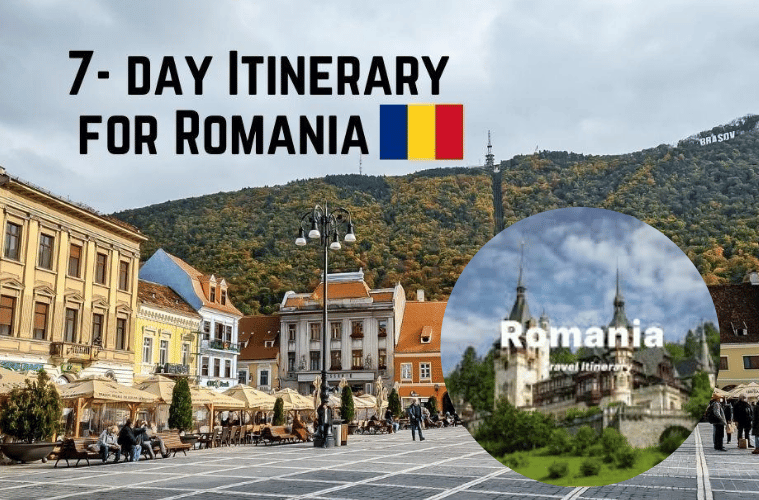
A 7-day Romania itinerary covering Bucharest, castles, medieval towns, and the scenic Transfăgărășan Highway.
Trip Overview
March 10, 2026 — Planning a trip to Romania offers travelers the chance to explore dramatic landscapes, medieval towns, and centuries-old castles. One of the most popular routes takes visitors through the region of Transylvania, known for its fortified villages, Gothic architecture, and mountain scenery. This 7-day itinerary begins in Bucharest and guides travelers through some of Romania’s most iconic destinations, including Peleș Castle, Bran Castle, the medieval city of Brașov, the historic village of Viscri, and the UNESCO-listed town of Sighișoara. The journey also includes a drive along the spectacular Transfăgărășan Highway, often considered one of the most scenic roads in the world.
This week-long route combines cultural landmarks, scenic landscapes, and historic sites, making it an ideal introduction to Romania’s rich heritage.
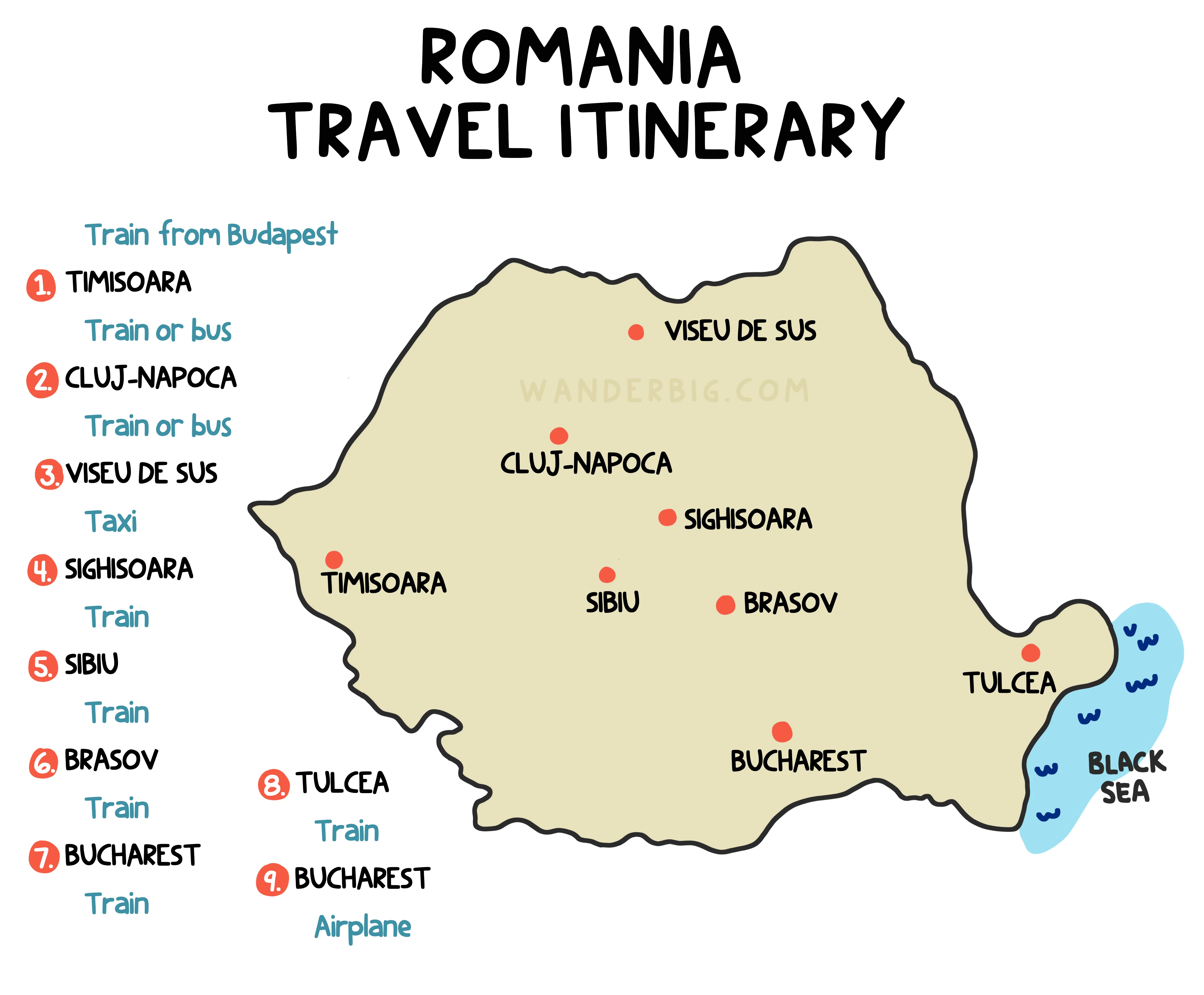
Image Credit: WanderBIG.com
Day 1: Explore Bucharest
Begin your journey in Bucharest, Romania’s capital city. Often referred to as the “Paris of Eastern Europe,” Bucharest blends historic architecture with modern urban life.
Spend your first day exploring landmarks such as the Palace of the Parliament, one of the largest administrative buildings in the world. Walk through the charming Old Town, where cobblestone streets are lined with restaurants, cafes, and historic buildings.
Other highlights include Revolution Square and the Romanian Athenaeum, a stunning concert hall that represents the city’s cultural heritage.

Image Credit: YouTube
Day 2: Bucharest to Peleș Castle and Brașov
On the second day, travel north toward the Carpathian Mountains to visit Peleș Castle, one of Europe’s most beautiful royal residences. Built in the 19th century for King Carol I, the castle features elaborate architecture, ornate interiors, and picturesque mountain surroundings.
After touring the castle, continue your journey to Brașov, a charming medieval city surrounded by forested mountains.
In the evening, stroll through Brașov’s historic center and visit Council Square. The city’s most recognizable landmark, the Black Church, is a Gothic masterpiece dating back to the 14th century.

Image Credit: Viator
Day 3: Bran Castle and Brașov
Dedicate your third day to exploring Bran Castle, located about 30 minutes from Brașov. Often associated with the Dracula legend, the castle attracts visitors with its dramatic hilltop setting and medieval architecture.
While the Dracula connection is largely symbolic, the castle remains one of Romania’s most famous attractions. Inside, visitors can explore rooms once used by Queen Marie of Romania and learn about the region’s history.
After visiting Bran Castle, return to Brașov to explore more of the city. Take a walk along Rope Street, one of the narrowest streets in Europe, or hike up Mount Tampa for panoramic views of the city.
Day 4: Brașov to Viscri
On day four, travel to the small village of Viscri, one of Transylvania’s best-preserved Saxon villages.
Viscri is known for its fortified church, a UNESCO World Heritage site that dates back to the 12th century. The village offers a glimpse into traditional rural life in Romania, with colorful houses, quiet streets, and a peaceful countryside setting.
Viscri gained international attention after being supported by King Charles III, who has long advocated for the preservation of Transylvania’s historic villages.
Visitors often enjoy exploring the village on foot and experiencing authentic local culture.
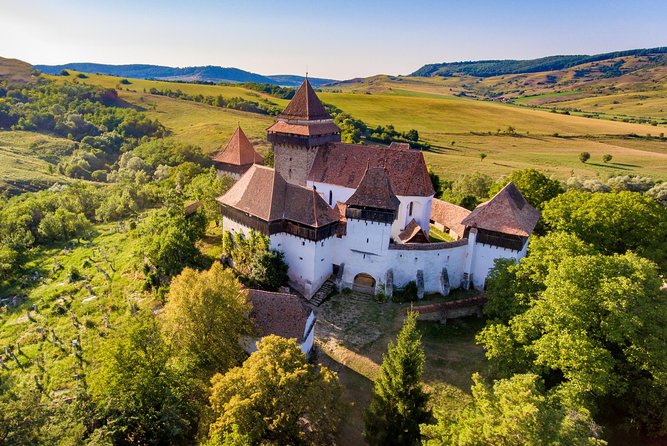
Image Credit: Viator
Day 5: Viscri to Sighișoara
Next, travel to Sighișoara, one of the best-preserved medieval towns in Europe. The historic center is also a UNESCO World Heritage site and feels like stepping back in time.
Sighișoara is famous for its colorful buildings, cobbled streets, and ancient towers. One of the most notable landmarks is the Clock Tower, which offers panoramic views of the town.
The city is also known as the birthplace of Vlad the Impaler, the historical figure often associated with the Dracula legend.
Spend the afternoon exploring the citadel, visiting the covered Scholars’ Staircase, and enjoying the town’s unique medieval atmosphere.
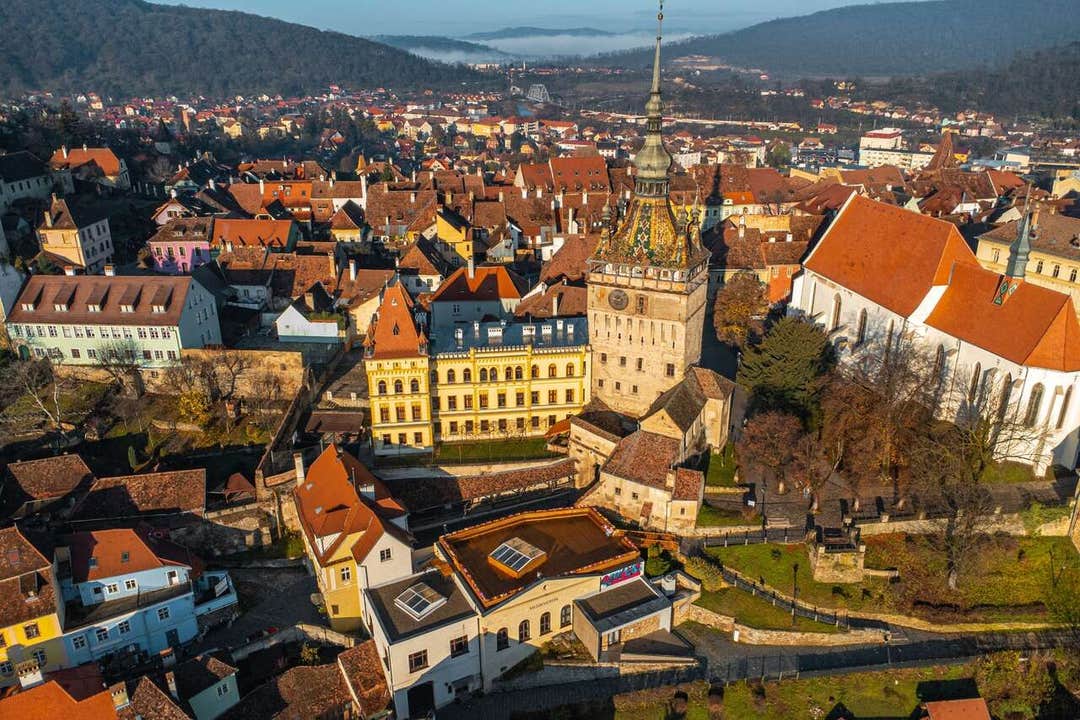
Image Credit: Guide to Europe
Day 6: Transfăgărășan Highway Adventure
Day six brings one of the most memorable experiences of the trip: driving along the Transfăgărășan Highway.
This spectacular mountain road winds through the Carpathian Mountains and offers breathtaking views of valleys, lakes, and alpine landscapes. Often called one of the most scenic drives in the world, the highway features dramatic curves and panoramic viewpoints.
Along the route, stop at Balea Lake, a beautiful glacial lake surrounded by towering mountain peaks. The area is perfect for photos and short hikes.
The drive itself becomes one of the highlights of the entire itinerary.
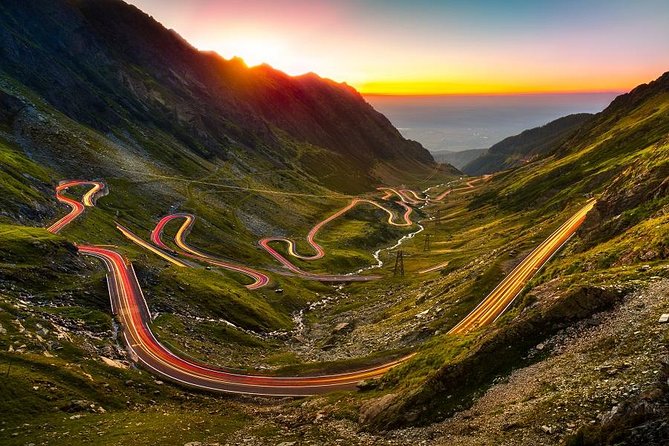
Image Credit: Viator
Day 7: Return to Bucharest
On your final day, return to Bucharest and enjoy any remaining sightseeing before departure.
Travelers often use this time to visit museums, explore local markets, or enjoy Romanian cuisine at traditional restaurants. Popular dishes include sarmale (stuffed cabbage rolls) and papanasi, a beloved Romanian dessert.
Ending the journey in Bucharest provides a chance to reflect on a week filled with castles, mountain scenery, and historic towns.
Why This Route Works
This 7-day itinerary is ideal for travelers who want to experience the highlights of Transylvania without rushing. The route balances cultural sites, historic towns, and scenic landscapes while keeping travel distances manageable.
From royal castles and medieval villages to dramatic mountain roads, Romania offers a unique travel experience that combines history, nature, and local tradition.
For many visitors, exploring Transylvania becomes a memorable journey into one of Europe’s most fascinating regions.
Published by HOLR Magazine