


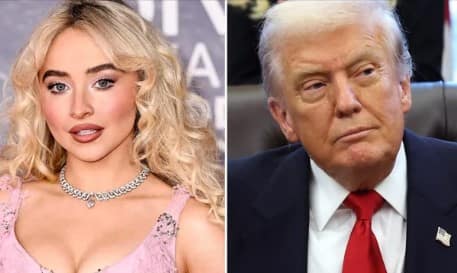
The singer denounces the administration after her song appears in a government-released ICE enforcement montage, sparking national outrage.
Outrage Flares Over Song’s Use
December 2, 2025: A political firestorm erupted after the White House posted a video showcasing recent ICE raids set to Sabrina Carpenter’s hit song Juno. The montage featured agents conducting arrests and detentions while the upbeat pop track played in the background. Viewers across social media quickly condemned the video, calling the pairing insensitive, unsettling, and intentionally provocative.
The post spread rapidly, pushing the story to the top of online search trends. Critics argued that using a commercial pop song to highlight enforcement actions involving real families and vulnerable individuals was inappropriate and dehumanizing. Many questioned why the administration chose a track known for its playful, romantic themes to accompany such serious and emotionally charged footage.
Carpenter’s Swift and Strong Response
Sabrina Carpenter responded within hours, publicly blasting the administration’s decision. She called it “evil and disgusting,” making it clear that she did not consent to her music being used in the video. The singer emphasized that she does not endorse the message, tone, or political implications of tying her work to immigration raids.
Her comments gained widespread support from fans, fellow artists, and activists, who praised her for speaking out. Many echoed her concerns, insisting that the government’s use of her music was manipulative and misaligned with the song’s meaning.
Why the Use of “Juno” Sparked Even More Backlash
Part of the public’s shock stemmed from the stark contrast between the clip and the song’s original context. Juno is known for its flirtatious and intimate tone, celebrating personal connection and youthful confidence. The video’s intense imagery — handcuffed individuals, flashing lights, and officers in tactical gear — clashed dramatically with the song’s vibrant energy.
This mismatch amplified criticism, with many arguing that the video trivialized the human impact of immigration enforcement by pairing it with catchy pop music.
Artists Push Back Against Political Misuse of Music
This incident adds to an ongoing debate about political entities using popular songs without the approval of the artists behind them. Musicians have increasingly spoken out against their work being tied to political messaging they do not support. The controversy highlights a deeper issue: artists often have little control once their music is licensed broadly, leaving room for misuse in highly charged political contexts.
Industry members have called for clearer regulations and stronger protections to prevent songs from being used in ways that misrepresent an artist’s values or publicly associate them with contentious government actions.
What Comes Next for the White House and Carpenter?
The administration is now facing mounting pressure to remove the video and address the backlash. Meanwhile, Carpenter’s firm stance has reignited discussions about consent and artistic control in the digital age. Legal experts note that, depending on licensing agreements, the singer may have limited options — but public outcry alone may be enough to force the video’s removal.
As the debate grows, one thing is clear: the incident has touched a nerve nationwide, intensifying conversations about immigration, ethics in political messaging, and the boundaries of artistic ownership.
Published by HOLR Magazine