


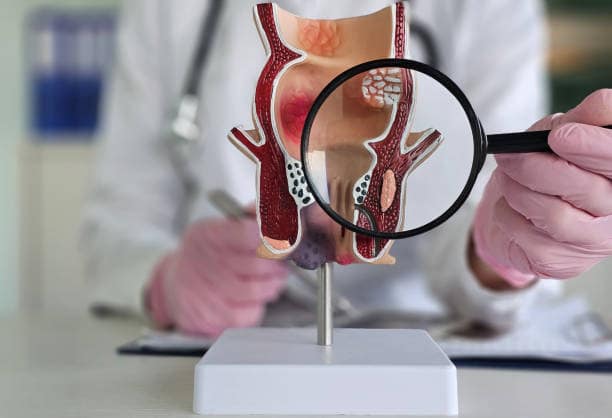
Hemorrhoids are an inconvenience and aggravation to many. Nonsurgical methods can provide some relief and help prevent surgical interventions. Familiarity with these techniques enables users to handle symptoms securely.
1. Lifestyle Changes for Relief
Changing your daily habits can really make you more comfortable. High-fiber foods soften stool and require less straining to pass in the toilet. Eating whole grains, fruits, and vegetables promotes gut health. Sufficient water intake every day can keep stool soft and reduce constipation. Refraining from sitting for long periods on the toilet makes a difference, too; it relieves some pressure in the area surrounding the rectum. Your everyday lifestyle changes can prove to be the best plan for hemorrhoid removal without surgery.
2. Warm Water Soaks
Sitz baths are a gentle method that is effective at relaxing pain and swelling. Spending fifteen minutes in warm water several times a day helps to reduce inflammation. This warmth relaxes tissues around the butt, promoting blood flow. Its ubiquitous properties make it an instant classic home remedy for a quick comfort fix.
3. Topical Treatments
Topical treatments such as witch hazel or hydrocortisone may help reduce itching and inflammation. These are readily available in any pharmacy and are simple to use. While witch hazel naturally minimizes swelling, hydrocortisone minimizes inflammation and redness. It is important to use medicines properly by thoroughly following the relevant instructions.
4. Cold Compresses
Cold packs or ice covered in a towel can provide short-term alleviation. The cold compress can help decrease swelling when you apply it to the affected area for 10 or 15 minutes. Coldness narrows the area, reduces pain, and helps better manage with everyday activities. Using it consistently is the best way to manage symptoms.
5. Improved Bathroom Habits
The presence of hemorrhoids can worsen if one doesn’t go to the toilet properly. Making sure to use the bathroom as soon as the urge happens prevents hard stool. Postponing bowel movements may cause straining, which exerts pressure on the veins. Cleaning after each movement gently with dampened wipes or water will clean the area and minimize irritation.
6. Physical Activity and Weight Management
Exercise promotes good digestion and regular bowel movements. Exercise is good for the intestines and reduces the chance of constipation. Having a healthy weight also reduces pressure on the veins in the rectum. Walking a dog or swimming can foster general health and sustainable symptom relief.
7. Over-the-Counter Remedies
At the drugstore, there are many over-the-counter products available for the treatment of hemorrhoids. Things like medicated pads, pain-relief creams, stool softeners, etc. These products give you temporary relief by decreasing swelling and alleviating pain. However, before trying any new treatment, be sure to read labels and check with your healthcare provider for safety.
8. Gentle Oral Pain Relievers
Over-the-counter oral pain relief medication can help manage mild but manageable pain. Pain relievers can be over-the-counter or prescription drugs used to relieve pain, such as nonsteroidal anti-inflammatory drugs, which are also used for reducing swelling. When used as prescribed, these medications may improve quality of life in a flare. But continuous use will cause concern and needs further discussion between the patient and the doctor.
9. Minimally Invasive Office Procedures
Some patients may require additional assistance if they are unable to manage their condition at home. Other procedures can be done in a clinic, including rubber band ligation or infrared coagulation. The techniques nip at the hemorrhoids specifically, and over time, they shrink. The techniques performed in-clinic cause very little discomfort and do not typically require any downtime.
10. Importance of Seeking Medical Advice
If symptoms of hemorrhoid do not improve or if the pain is severe, see a doctor. Your best bet is to go to the doctor for preliminary work to rule out other conditions, as well as to make sure that you get the right care. However, in some circumstances, more advanced procedures could be needed. When you seek treatment early on for symptoms, it minimizes the chances of complications occurring and also helps aid the body to heal in the best way possible.
Conclusion
There are a number of effective nonsurgical treatments you can use to manage hemorrhoids. For the majority, lifestyle modifications, home remedies, and simple medical treatments provide relief. When you sustain and provide early self-care practices, you rarely need surgical options. The belief in these techniques enables one to utilize their health and well-being.
Published by HOLR Magazine.