



Here’s how much monthly gas bills could increase if approved
December 19, 2025 — National Grid has proposed a significant gas rate hike for Massachusetts customers, a move that could lead to noticeably higher monthly heating bills if approved by state regulators. The utility plans to file a formal request with the Massachusetts Department of Public Utilities (DPU), seeking to adjust its base distribution rates for the first time in several years.
If the proposal moves forward, hundreds of thousands of households across the state could see their gas bills rise — particularly during peak winter months.
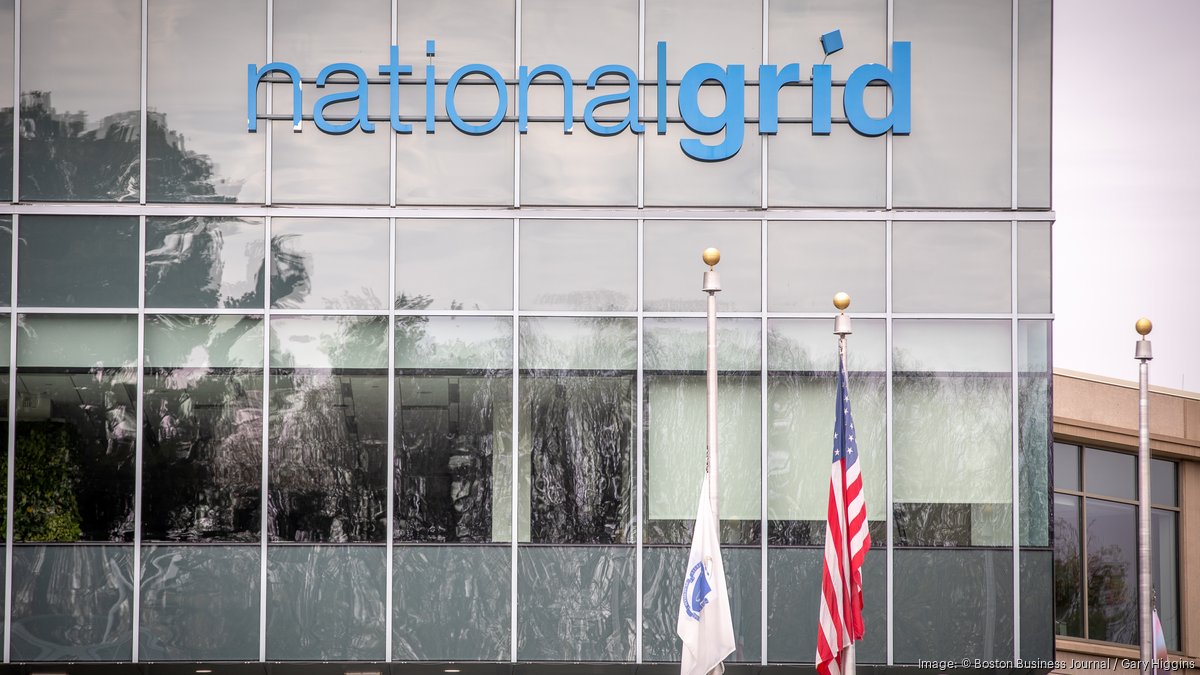
Image Credit: The Business Journilist
How Much Could Monthly Bills Increase?
According to National Grid’s proposal, typical residential gas customers could see bills increase by roughly 8% to 11%, depending on where they live and how much gas they use.
Here’s what that could look like on a monthly basis:
- Greater Boston and Central Massachusetts: Average winter bills could rise by about $24 per month
- Cape Cod and parts of the Merrimack Valley: Customers may see increases closer to $25 per month
- Year-round average impact: Bills could rise approximately $10–$12 per month when spread across the entire year
Exact increases would vary by household usage, season, and service territory.

Image Credit: NBC Boston
Why National Grid Is Seeking the Increase
National Grid says the proposed rate hike reflects rising costs associated with maintaining and operating its gas delivery system. The company cites increased expenses for labor, infrastructure upgrades, safety improvements, and materials since its last base rate review.
The utility also plans to change how delivery costs are distributed throughout the year, shifting some charges away from winter months to reduce seasonal bill spikes — though total annual costs would still increase.
When Could the Increase Take Effect?
The proposed rate hike would not take effect immediately. The request must first undergo review by the Massachusetts Department of Public Utilities, a process that can take many months and may include public hearings, regulatory scrutiny, and potential adjustments.
If approved, the new rates are expected to begin in 2027.

Image Credit: Canary Media
What Happens During the Review Process?
During the DPU review, regulators will examine:
Whether the requested increase is justified
How it would affect residential and business customers
Whether alternative cost-saving measures are available
Consumer advocacy groups are also expected to weigh in, particularly given ongoing concerns about rising utility costs across Massachusetts.
Why This Matters for Households
Gas heating is a major expense for many Massachusetts residents, especially during cold winters. Even a $20–$25 monthly increase can significantly impact household budgets — particularly for fixed-income families and seniors.
The proposal comes amid broader concerns over affordability, energy costs, and the transition toward cleaner energy sources, making the decision closely watched by policymakers and consumers alike.
What Customers Can Do Now
For now, customers don’t need to take action, but staying informed is key. Residents can:
Monitor updates from the DPU
Participate in public hearings if they are announced
Explore energy-efficiency programs that may help reduce usage
What’s Next
The rate proposal will move through the regulatory process over the coming months, with a final decision expected after extensive review. Until then, National Grid customers will continue paying current rates.
As energy costs remain a growing concern statewide, the outcome of this proposal could set an important precedent for future utility pricing in Massachusetts.
Published by HOLR Magazine