


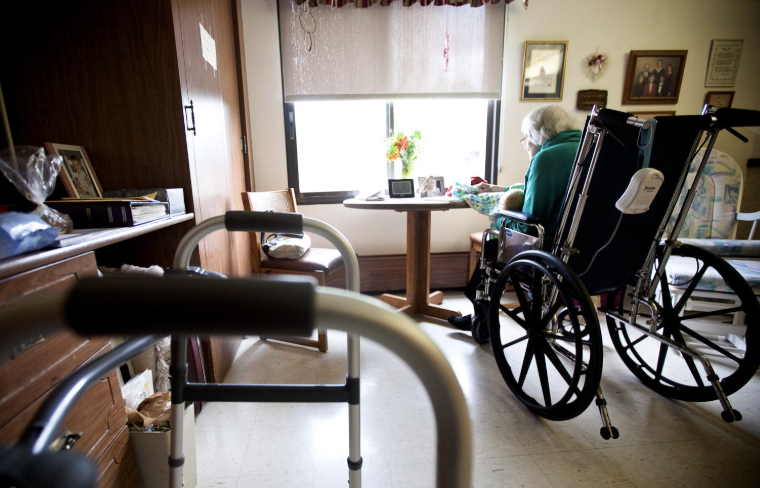
When a loved one moves into a nursing home, families expect them to be cared for with dignity, attention, and compassion. Proper nutrition is a huge part of that care, yet it’s often overlooked until visible problems appear. Weight loss, fatigue, and changes in behavior can sneak up slowly, making them easy to miss at first.
Understanding what causes malnutrition in nursing homes can help families spot problems early and take action before serious health complications develop. Malnutrition in elderly residents isn’t always about a lack of food. It can stem from medical conditions, medication side effects, poor monitoring, or neglect. Below are seven warning signs that may indicate a nursing home resident is not getting the nutrition they need.
1. Unexplained Weight Loss
Sudden or ongoing weight loss is one of the clearest signs of malnutrition. While some weight changes can be expected due to illness or aging, noticeable loss without a medical explanation is a red flag. Loose clothing, sunken facial features, or a visibly thinner appearance may suggest that a resident isn’t consuming enough calories or nutrients.
Regular weigh-ins should be part of routine care. If weight loss goes unaddressed, it can quickly lead to weakness and a higher risk of injury.
2. Fatigue and Low Energy
Malnourished residents often appear constantly tired or lack the energy to participate in daily activities. They may sleep more than usual or seem withdrawn during social interactions.
Proper nutrition fuels the body, and without it, even simple tasks can feel exhausting. Chronic fatigue can also affect mental alertness, increasing the risk of falls and accidents.
3. Changes in Skin, Hair, or Nails
Poor nutrition often shows up physically. Dry, flaky skin, brittle nails, and thinning or dull hair can all be signs that the body isn’t receiving essential vitamins and minerals. Wounds or pressure sores that heal slowly may also point to nutritional deficiencies.
These visible changes are sometimes dismissed as normal aging, but they can be important clues to deeper issues.
4. Loss of Appetite or Difficulty Eating
A sudden lack of interest in food is another common warning sign. Residents may leave meals untouched, complain about taste, or struggle with chewing and swallowing. Dental issues, poorly prepared meals, or medications can all interfere with eating.
If staff members are not monitoring meal intake or offering assistance when needed, residents may miss meals entirely.
5. Frequent Illnesses or Infections
Malnutrition weakens the immune system, making residents more vulnerable to infections. Frequent colds, urinary tract infections, or longer recovery times from illness may indicate that the body lacks the nutrients needed to fight off disease.
This can create a cycle where illness further reduces appetite, worsening the nutritional problem.
6. Cognitive Changes or Mood Shifts
Nutrition plays a critical role in brain function. Malnourished residents may experience confusion, memory issues, irritability, or depression. These changes can be subtle at first but may worsen over time.
Behavioral changes are sometimes attributed solely to dementia or aging, but nutrition should always be considered as a contributing factor.
7. Muscle Weakness and Mobility Issues
Loss of muscle mass is a serious consequence of malnutrition. Residents may struggle to stand, walk, or maintain balance. This increases the risk of falls and fractures, which can be life-altering for elderly individuals.
Weakness may also reduce independence, requiring more assistance with daily activities and lowering overall quality of life.
Why These Signs Matter
Malnutrition can lead to serious health complications, including organ damage, increased hospitalization, and even premature death. In a nursing home setting, many of these issues are preventable with proper monitoring, individualized meal plans, and attentive care.
Families who notice these warning signs should speak up, ask questions, and request evaluations. Early intervention can make a significant difference.
Key Takeaways
- Malnutrition in nursing homes often develops gradually and can be easy to miss.
- Unexplained weight loss and fatigue are major warning signs.
- Physical changes like brittle nails and slow-healing wounds may signal deficiencies.
- Loss of appetite, illness, and cognitive changes should not be ignored.
- Muscle weakness increases fall risk and reduces independence.
- Recognizing the signs early can help protect a loved one’s health and well-being.
Published by HOLR Magazine.