

The Broadway legend says he would never step inside again
Stephen Schwartz Takes a Firm Public Stand
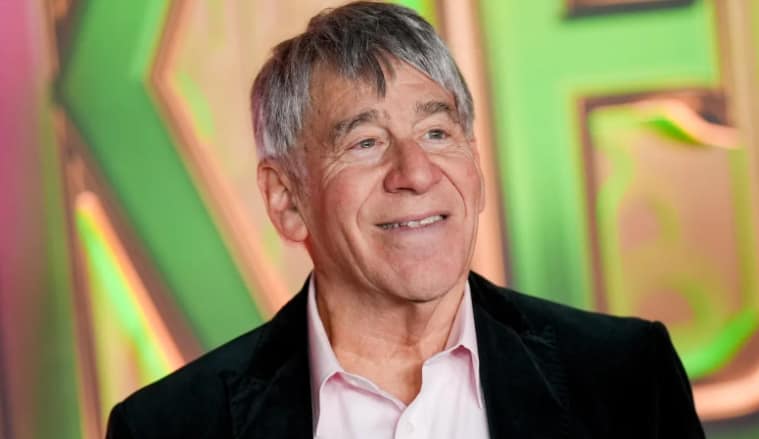
January 3, 2026: Acclaimed composer Stephen Schwartz, best known for Wicked, has joined a growing list of artists boycotting the Kennedy Center, stating bluntly, “There’s no way I would set foot in it now.”
The remark marks one of the strongest rebukes yet from a major figure in American theater.

Image Credit: Getty Images
Why Schwartz Is Refusing to Participate
Schwartz’s decision is rooted in deep concern over the Kennedy Center’s recent direction and leadership associations. While avoiding inflammatory rhetoric, his words conveyed finality rather than protest-as-performance.
For many in the arts community, the statement signaled a breaking point.

Image Credit: Getty Images
A Growing Artist Boycott
Schwartz is not alone. More performers, composers, and creatives have distanced themselves from the institution, arguing that cultural spaces should remain insulated from divisive political symbolism.
The boycott reflects broader unease about how national arts organizations define neutrality in polarized times.
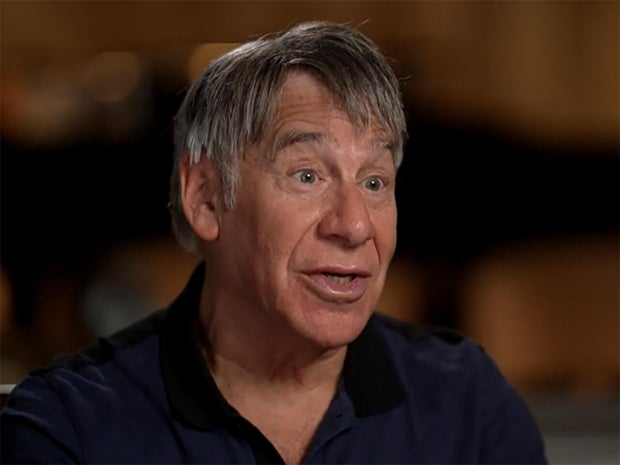
Image Credit: CBS News
What This Means for the Kennedy Center
Losing participation from figures of Schwartz’s stature carries symbolic weight. As one of Broadway’s most respected voices, his absence underscores reputational risk rather than logistical inconvenience.
The situation raises questions about whether the Center can maintain its artistic credibility amid mounting dissent.

Image Credit: Getty
Art, Politics, and Cultural Identity
The controversy has reignited debate over whether art institutions can—or should—separate themselves from political influence. For artists like Schwartz, the answer appears increasingly clear.
Silence, in this case, is being replaced by refusal.
Final Thoughts
Stephen Schwartz’s decision to boycott the Kennedy Center isn’t casual dissent—it’s a line drawn by a composer whose work has shaped generations of theatergoers. His words suggest that for some artists, participation now carries a moral cost.
When creators walk away, institutions are forced to confront what they represent.
Published by HOLR Magazine