


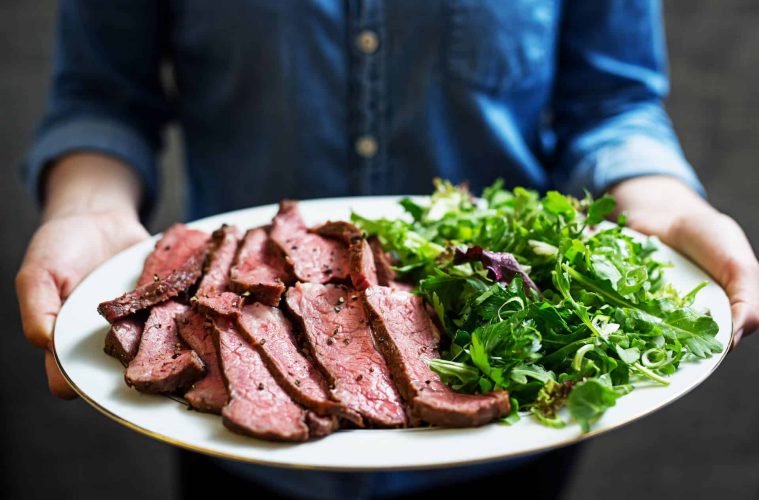
Here’s the straight truth for commercial kitchens: sous vide steak changes how quality, labor, and profit line up. Not in a flashy way. In a practical, day-to-day way that operators actually feel on the floor. Steak remains one of the highest-risk, highest-margin items on a menu. When consistency slips, margins slip with it. Sous vide exists to close that gap.
Sous vide steak means cooking beef at a precisely controlled temperature for a set amount of time, sealed and protected from oxygen. That control matters more in foodservice than anywhere else. In a busy kitchen, variability kills efficiency. Different grill cooks. Different shifts. Different rush periods. Steak cooked conventionally absorbs all that chaos. Sous vide removes much of that uncertainty before service even begins.
From a quality standpoint, the biggest gain comes from temperature accuracy. A steak cooked sous vide reaches the same internal temperature edge to edge. No guessing. No pulling early or late. No gray band creeping inward because the grill ran hot during a rush. Every portion reaches doneness intentionally, not by luck or instinct. That precision directly affects tenderness, moisture retention, and visual appeal on the plate.
Tenderness improves because connective tissue breaks down predictably when held at target temperatures long enough. That allows operators to use a wider range of cuts without sacrificing guest experience. Sous vide steak does not turn poor beef into premium beef, but proper temperature control maximizes what each cut can deliver. That matters when food costs fluctuate and purchasing decisions require flexibility.
Moisture retention follows the same logic. Traditional high-heat cooking pushes moisture out fast. Sous vide steak holds juices inside the muscle fibers until finishing. Less purge on the plate. Less weight loss during cooking. Higher yield per portion. Over hundreds or thousands of steaks per month, that difference shows up clearly on food cost reports.
Consistency drives more than guest satisfaction. Consistency reduces waste. Overcooked steaks cannot be sold. Undercooked steaks come back to the kitchen. Both outcomes cost money twice. Sous vide reduces both scenarios. Steaks arrive at service already cooked to the intended doneness, needing only a controlled finish for surface color and texture.
Labor efficiency improves for the same reason. Skilled grill cooks remain valuable, but sous vide reduces reliance on perfect execution during peak service. Line cooks finish rather than guess. Training time shortens. Mistakes drop. Managers spend less time comping meals and more time moving tickets. In high-volume operations, those small gains stack quickly.
Food safety benefits also deserve attention. Sous vide cooking uses time and temperature together to reduce risk when protocols are followed correctly. Commercial operators benefit from consistent pasteurization standards when using professionally prepared sous vide steak. That consistency lowers exposure tied to undercooked proteins and inconsistent handling. Proper chilling and storage procedures complete the system.
Profitability comes from stacking small advantages. Higher yield. Lower waste. Faster service times. Fewer comps. Predictable labor. Sous vide steak does not raise profit through a single dramatic change. Profit improves because dozens of minor problems disappear. Operators notice calmer kitchens. Accounting notices tighter margins.
Selecting the best meat for sous vide matters. Not every cut performs the same way. Strip steaks, ribeyes, sirloins, filet portions, and certain flat iron cuts respond well because structure and fat content align with controlled cooking. Lean cuts benefit from exact doneness. Well-marbled cuts benefit from even fat rendering without flare-ups or scorching.
Common mistakes still happen. Improper sealing allows air pockets that interfere with heat transfer. Incorrect bath temperatures lead to texture problems. Overholding after cooking degrades structure. Finishing too aggressively ruins the surface. Sous vide steak requires discipline, not guesswork. Following validated procedures remains non-negotiable.
Another mistake involves treating sous vide as a shortcut rather than a system. The method supports quality when integrated correctly into prep, storage, finishing, and service flow. Skipping steps creates risk. Professional kitchens benefit most when sous vide fits into a repeatable workflow rather than a one-off technique.
A well-run sous vide program also improves menu planning. Predictable cook times allow better prep scheduling. Inventory control improves because portion loss stays consistent. Menu pricing becomes easier when yield stops fluctuating. Finance teams appreciate predictability more than dramatic promises.
This is where a professional sous vide partner matters. Cuisine Solutions plays a role not simply as a supplier, but as a support system for operators who want consistency without rebuilding kitchen processes from scratch. Perfect cuts and precise cooking define the value. Best meat for sous vide in professional operations depends on sourcing, trimming standards, validated cooking parameters, and packaging that protects product integrity through distribution and storage. Working with a sous vide company that understands commercial pressure allows operators to focus on service rather than troubleshooting proteins mid-shift. The assurance comes from knowing each portion supports the goals outlined above: consistency, tenderness, safety, and margin protection.
From an operational lens, sous vide steak supports scalability. Multi-unit operators gain alignment across locations. A steak served in one market matches the steak served in another. Training materials stay consistent. Brand standards hold. That alignment becomes harder as menus expand without standardized processes.
Guest perception matters too. Diners expect steak to meet expectations every time. Inconsistent doneness damages trust quickly. A guest who receives a perfect steak once and a flawed one later notices. Sous vide reduces that risk. Reliability builds repeat business more effectively than novelty.
Cost control extends beyond beef itself. Energy usage stabilizes when cooking shifts away from constant high-heat grilling. Equipment strain decreases. Kitchens experience fewer emergency adjustments during rush periods. Managers gain breathing room. Calm kitchens perform better.
Sous vide steak also supports smarter staffing. With fewer critical touchpoints during service, kitchens operate efficiently with leaner teams. That does not eliminate skill requirements, but shifts skill focus from damage control to execution. Training emphasizes finishing, plating, and timing rather than rescuing mistakes.
The long-term value shows through data operators already track. Lower variance in food cost percentages. Reduced voids and comps. Improved ticket times. Better online reviews mentioning steak quality. None of these outcomes feel abstract. All connect directly to revenue and reputation.
Sous vide steak works when discipline replaces improvisation. Precision replaces guesswork. Systems replace stress. Commercial foodservice operators who invest in the method see returns because daily friction drops. Quality holds. Guests notice. Teams perform.
The smart investment is not about trend adoption. The investment supports repeatability, control, and margin protection in one of the most demanding menu categories. For operators serious about steak performance, sous vide delivers results where numbers matter most.
Published by HOLR Magazine.