


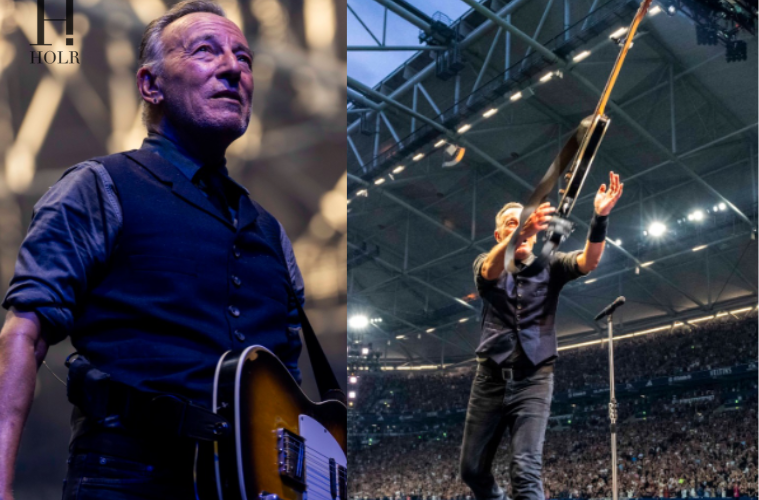
Bruce Springsteen releases Streets of Minneapolis, a new anti-ICE protest song responding to recent violence and sparking national debate.
A Song Written in Real Time
January 28, 2026 — Bruce Springsteen has released a powerful new protest song titled Streets of Minneapolis, responding directly to recent violent incidents involving federal immigration enforcement in the city. The track was written, recorded, and released within days, underscoring the urgency and emotional weight behind the project.
Known for addressing social injustice through music, Springsteen uses this release to confront what he views as excessive federal force and the human cost tied to immigration enforcement.

Image Credit: npr
What Streets of Minneapolis Is About
In the song, Springsteen delivers stark lyrics criticizing ICE operations and broader government actions, framing the situation as a moral and humanitarian crisis. The track references recent deaths tied to federal activity and centers on themes of grief, anger, and resistance.
Musically, the song begins with a stripped-down, acoustic tone before building into a fuller arrangement that echoes traditional protest anthems. Harmonicas, chants, and driving rhythms amplify the song’s call for accountability and solidarity.
Why the Song Is Sparking Conversation
The release has reignited debates about the role of artists in political discourse. Supporters praise Springsteen for using his platform to speak out, while critics argue that musicians should avoid overt political messaging. Regardless of stance, the song has quickly become a focal point of national discussion.
Springsteen’s decision to act swiftly—rather than waiting for distance or retrospection—has been viewed as a deliberate choice to keep attention on the unfolding situation in Minneapolis.

Image Credit: ultimateclassicrock
Minneapolis Context and Public Response
The song arrives amid widespread protests and demonstrations in Minneapolis following increased federal enforcement activity. Community members and activists have voiced concerns over tactics used by immigration authorities, making the city a flashpoint in ongoing national debates around immigration and law enforcement.
Springsteen has publicly dedicated the song to the people of Minneapolis and immigrant communities affected by recent events, reinforcing the personal nature of the release.

Image Credit: Image Credit:
A Long History of Protest Through Music
Streets of Minneapolis continues a long tradition of Springsteen addressing social and political issues through storytelling. Throughout his career, he has released songs centered on inequality, violence, and systemic injustice, often reflecting the realities faced by everyday Americans.
This latest track aligns with that legacy, blending narrative songwriting with direct political commentary.
Reaction From Fans and Critics
Fan reactions have been swift and emotional, with many applauding Springsteen’s willingness to confront controversial issues head-on. The song has spread rapidly across streaming platforms and social media, sparking discussion not just about the music, but about the events that inspired it.
Critics note that the song’s power lies in its immediacy—capturing a moment of national tension rather than reflecting on it years later.

Image Credit: Minnesota Reformer
The Bottom Line
With Streets of Minneapolis, Bruce Springsteen once again places himself at the intersection of music and activism. The song serves as both protest and remembrance, urging listeners to confront uncomfortable realities while honoring those affected.
As conversations around immigration, enforcement, and accountability continue, the track stands as one of the most politically charged musical releases of 2026 so far.
Published by HOLR Magazine