


New Fairy-Tale Adaptation Signals Career Reset and Comeback Moment
A New Chapter for Tara Reid
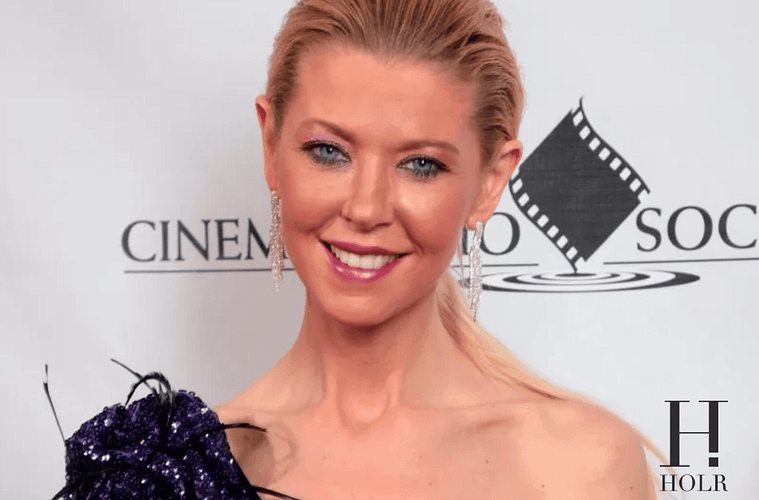
February 15, 2026: Tara Reid is stepping into a new spotlight in 2026 with a Cinderella-themed film project that is being widely described as a fresh career chapter for the longtime actress. Known for her early breakout roles and pop-culture fame, Reid’s latest movie move is generating renewed attention across entertainment circles, with many calling it a symbolic reset and a strategic re-entry into mainstream conversation.
The Cinderella project positions Reid in a narrative space built around transformation and second chances — a thematic parallel that fans and commentators have quickly connected to her real-life career journey. HOLR has the latest news on how this new role is being framed, why it matters now, and what it could mean for her next professional phase.
From Early Fame to Reinvention Mode
Reid first rose to widespread recognition in the late 1990s and early 2000s through youth-driven comedies and studio hits that made her a household name among a generation of moviegoers. Over time, her career path shifted toward independent projects, cult titles, and genre films, keeping her visible but outside the traditional prestige studio lane.
Hollywood career cycles are rarely linear, and Reid’s trajectory reflects a pattern seen with many early-fame actors — rapid breakout, intense media exposure, uneven project flow, and eventual reminder opportunities. The new Cinderella film is being viewed by industry watchers as one of those reminder opportunities — a project that can reposition rather than simply add another credit.
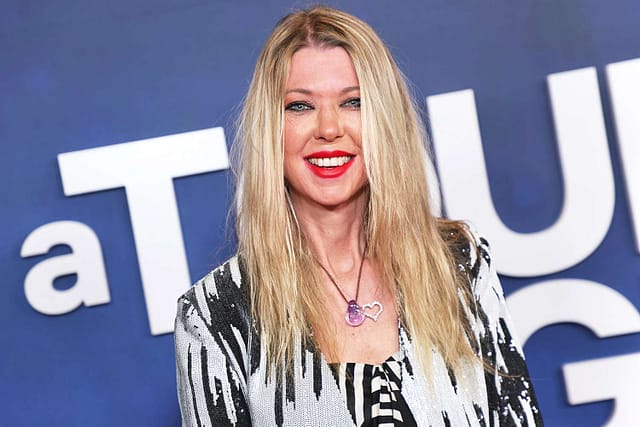
Image Credit: Robin L Marshall/Getty
Why a Cinderella Story Fits the Moment
Cinderella stories remain popular not only because of their fairy-tale romance but because they represent reinvention, resilience, and recognition after struggle. Casting Reid in a Cinderella-centered project adds an extra narrative layer that audiences immediately recognize.
Viewers often respond strongly when casting aligns symbolically with a performer’s public journey. In this case, the association with transformation and renewed visibility gives the project built-in emotional framing. It turns marketing into storytelling — not just “new movie,” but “new era.”
HOLR breaks down the pattern here: comeback roles that mirror personal narrative often attract stronger audience curiosity than neutral casting choices.
The 2026 Comeback Trend in Hollywood
Reid’s new project arrives during a broader wave of mid-career and legacy-actor comebacks. Streaming expansion, genre diversification, and indie financing have created more entry points for performers rebuilding momentum.
The comeback landscape today looks different than it did a decade ago. Instead of waiting for a major studio gamble, actors can now rebuild through:
- Streaming originals
- genre reinterpretations
- nostalgia-driven casting
- indie prestige films
- creator-led productions
This environment favors recognizable names ready for repositioning — which strengthens the timing of Reid’s new release.
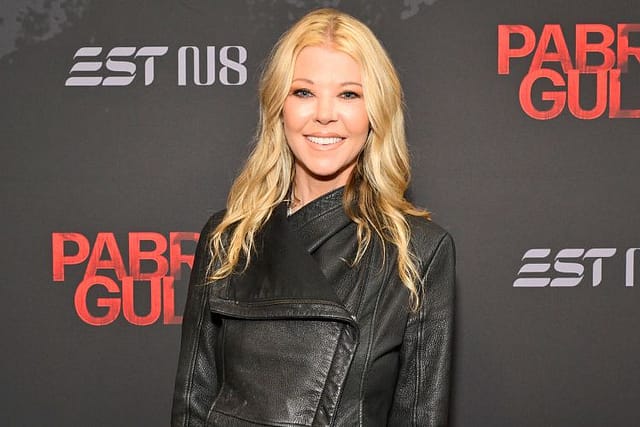
Image Credit: John Sciulli/Getty
Audience Curiosity Is Already Building
Early discussion around Reid’s Cinderella film is being driven by curiosity as much as plot. Entertainment audiences are drawn to comeback arcs, especially when paired with familiar intellectual property. Even loose or modernized fairy-tale adaptations benefit from instant recognition value.
Online fan reactions show growing interest centered on:
- Her new look and screen presence
- Tone of the adaptation
- Whether the role is dramatic or comedic
- Production scale and reminding power
- Career direction after the release
Curiosity is often the first fuel of a comeback — and by that metric, the project is already succeeding.
Fairy-Tale Adaptations Are Evolving
Modern Cinderella adaptations increasingly move beyond traditional princess framing. Many recent versions explore darker tones, alternate perspectives, or contemporary settings. That flexibility allows casting choices that would not fit older, more rigid versions of the tale.
Industry analysts note that fairy-tale reinterpretations now succeed when they offer at least one of three elements: tonal shift, character inversion, or genre blending. Reid’s involvement suggests this version may lean toward reinterpretation rather than strict classic retelling.
That creative flexibility increases both artistic and marketing runway.
:max_bytes(150000):strip_icc()/Tara-Reid-092423-2-4cb702b853b8456187ddac9292942eb9.jpg)
Image Credit: people
Reputation Reset Through Role Selection
In career rebuilding phases, role selection matters more than volume. A single well-positioned project can shift perception more effectively than multiple low-visibility releases. Choosing a recognizable story framework like Cinderella provides narrative scaffolding for that shift.
Career strategists often advise actors in reset mode to seek roles that deliver:
- symbolic alignment
- emotional relatability
- brand reframing
- audience rediscovery
- media narrative hooks
This project checks several of those boxes at once.
Industry Response and Watchful Interest
While not yet positioned as an awards vehicle, the film is drawing watchful interest from casting observers and entertainment media because it represents directional change. Industry attention during comeback phases is less about immediate accolades and more about trajectory signals.
Trade watchers typically look for three markers after a reset project:
First, whether performance reception changes tone.
Second, whether casting offers expand in range.
Third, whether press framing shifts from past to present.
Reid’s Cinderella film is likely to be measured against those indicators rather than pure box office scale.
Public Narrative vs Professional Reality
Celebrity comeback stories often get simplified in headlines, but professional reinvention is usually gradual. One film rarely changes everything overnight. Instead, it opens doors, updates perception, and changes conversation tone.
Reid’s situation reflects that reality. The Cinderella project is not being framed as a final destination — but as a relaunch point. That framing is healthier and more sustainable than “one project redemption” narratives that create unrealistic expectations.
HOLR has the latest news indicating that measured repositioning strategies tend to produce longer second-act careers than sudden hype spikes.
Image Credit: Facebook
Media Framing Matters in Comebacks
How media outlets frame a project strongly influences audience reception. Early coverage around Reid’s new role emphasizes renewal, fresh start, and next chapter language — all signals of supportive framing rather than skepticism framing.
Positive comeback framing typically highlights:
- growth language
- craft focus
- opportunity narrative
- forward momentum
- professional resilience
That tone encourages audiences to re-engage without nostalgia dependency alone.
Fan Base Still Matters
Reid retains a loyal fan base from her early career era, and nostalgia audiences often play a critical role in comeback traction. When legacy fans show up early, they help stabilize opening attention and social conversation.
Nostalgia support can convert into:
- early streaming numbers
- social sharing
- press pickup
- algorithm lift
- word-of-mouth reach
That foundation gives repositioning projects more breathing room.
What Success Would Look Like Here
Success for this project will likely be defined less by raw revenue and more by perception shift. If critics and audiences respond positively to Reid’s performance and presence, the film will have achieved its strategic purpose.
Comeback success markers include:
- improved review tone
- stronger role offers
- broader genre casting
- interview demand
- audience sentiment change
Those metrics matter more than opening weekend totals in career reset phases.
The Symbolism of a Fairy Tale Reset
There is something fitting about a Cinderella narrative aligning with a career restart story. Whether intentional or not, the symbolism resonates — transformation, recognition, and stepping back into the spotlight after time away.
Audiences understand that metaphor instantly, which gives the project built-in emotional accessibility before a single scene is watched.
A Fresh Start — Not a Final Statement
The most important takeaway is that this film represents a beginning, not a verdict. Comeback arcs are chapters, not conclusions. Reid’s Cinderella movie signals forward motion — and in entertainment careers, forward motion is what creates opportunity.
If momentum builds from here, 2026 may be remembered as the year her professional narrative shifted direction again.
FAQs
What is Tara Reid’s new 2026 movie about?
She is attached to a Cinderella-themed adaptation that reimagines the classic fairy-tale story with a modernized approach.
Why is this film being called her fresh start?
Because it represents a high-visibility, symbolic role that aligns with a career repositioning phase and renewed industry attention.
Is this a traditional Cinderella remake?
Current discussion suggests it may be a reinterpretation rather than a strictly traditional version.
Has Tara Reid been active in recent years?
Yes, she has continued working in independent and genre projects, though this film marks a more mainstream spotlight moment.
What would success look like for this project?
A positive reception, improved casting opportunities, and stronger media framing around her current work rather than past headlines.
Published by HOLR Magazine