


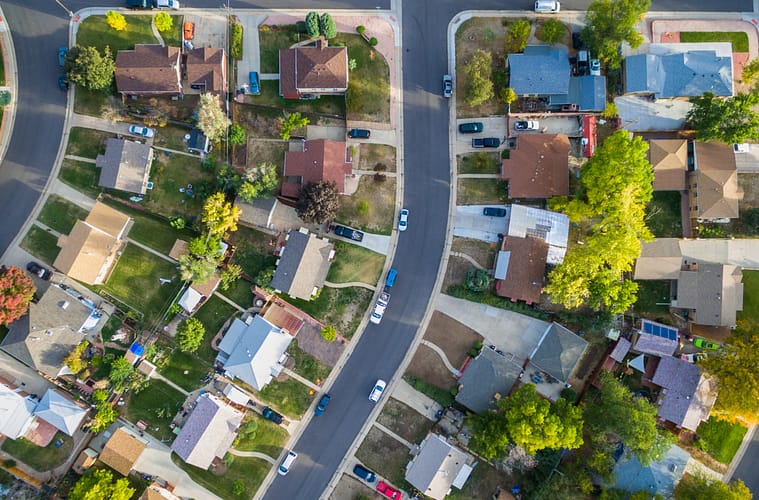
The city of Austin is famous for its live music scene, tech growth, and dynamic development. Where crime is concerned, Austin’s lowest crime rates are mainly found in suburban towns and neighborhoods with strong interpersonal ties. Many Austin communities consistently stand out for having strong safety records.
When people look for the safest neighborhoods, they usually check for aspects such as violent crime statistics, property crime trends, and overall community design. Luckily, some Austin neighborhoods, like West Lake Hills, Tarrytown, Rollingwood, and more, boast a great combination of residential stability, green space, and active watch programs to keep crime low.
Which Austin Neighborhoods Have the Lowest Crime Rates?
Several neighborhoods consistently rank among Austin’s safest:
1. Circle C Ranch
Located in Southwest Austin, Circle C Ranch often ranks as the safest Austin neighborhood. It shows very low violent crime rates as compared to city averages.
Thanks to features such as parks, greenbelts, and family-focused residential streets, this area’s suburban layout and community involvement are key to its strong safety record.
2. West Lake Hills
West Lake Hills reports approximately 8.2 total incidents per 1,000 residents, making it among Austin’s safest areas. With 24/7 patrol presence and emergency call box systems, this upscale community also maintains tight residential zoning and limited commercial traffic.
3. Mueller
Mueller is a smartly planned urban neighborhood with strong lighting and pedestrian-friendly design. Its violent crime average sits near 3.2 per 1,000 residents. The property crime average is around 25.4 per 1,000.
The area’s master-planned structure reduces hidden areas and improves visibility, which directly contributes to safer conditions.
4. Tarrytown
A neighborhood with long-established residential ties, Tarrytown reports violent crime at around 2.920 per 1,000 residents, which is much below broader city levels. The area also holds an average police response time of around 3.7 minutes, which is exceptionally low.
5. Barton Creek
Barton Creek shows consistently high safety rankings, with low crime rates across major offense categories. The neighborhood boasts a nature-rich atmosphere and controlled residential access, which lowers exposure to crime.
6. Rollingwood
Rollingwood features a suburban layout with a tight-knit community, recording about 9.4 criminal incidents per 1,000 residents. The area has strong monitoring efforts in place, such as digital alert systems, that actively support crime prevention.
7. Allandale
Allandale reports a violent crime rate of 3.386 incidents for every 1,000 residents. With well-lit streets and a residential layout contributing to its lower incident levels, its central location does not appear to compromise safety.
8. Barton Hills
Barton Hills reports violent crime around 270 per 100,000 residents. These figures are competitive compared to broader city patterns. Its proximity to greenbelts and outdoor visibility plays a preventive role in crime occurrences.
9. Northwest Hills
Northwest Hills is a quiet, family-friendly area with consistently low crime trends across multiple reporting periods. Its long-term residents and community ties play a key role in keeping it on the safest-area lists.
What Should You Consider Beyond Crime Rates?
Safety statistics matter, but lifestyle fit is just as important.
- Consider things like commute timings, school rankings, and easy access to leisure activities, which shape your daily life.
- Visiting neighborhoods in person can often give a clearer picture than numbers alone.
- Crime trends shift over time, so looking at patterns is always helpful.
Final Takeaways
- Circle C Ranch and West Lake Hills consistently rank at the top for the lowest crime rates.
- Mueller reports violent crime below Austin’s citywide average.
- Tarrytown benefits from strong neighborhood watch coverage and fast police response times.
- Rollingwood and Allandale maintain low total incident rates per 1,000 residents.
- Barton Creek and Northwest Hills show consistent long-term safety stability.
- Consulting the neighborhood residents is advised over deciding based on crime rate figures alone.
Published by HOLR Magazine.