



Rapper prevails as lawsuit over parody clips is dismissed
Afroman Scores Legal Victory
March 19, 2026 – Afroman has secured a major legal victory after a lawsuit filed by Ohio police officers over his viral music videos was officially rejected. The case, which drew widespread attention online and within legal circles, centered on claims that the rapper used footage involving law enforcement in a way that allegedly damaged the officers’ reputations. With the court ruling in his favor, Afroman’s win is now being viewed as a significant moment for artistic freedom and the boundaries of satire in modern media.

Image Credit: FilmMagic
How the Dispute Began
The controversy dates back to a 2022 police raid at Afroman’s home in Adams County, Ohio. Officers executed a search warrant as part of an investigation, but no major charges were ultimately brought against the artist. In response, Afroman later used security camera footage from inside his home—capturing moments from the raid—in a series of music videos and social media posts. These videos recontextualized the footage, blending it with humor, commentary, and criticism aimed at the officers’ actions.
Viral Videos Spark Legal Action
The videos quickly gained traction across platforms, drawing millions of views and sparking debate. While many viewers praised Afroman for turning a personal experience into creative content, the officers involved saw the situation differently. They filed a lawsuit alleging invasion of privacy, emotional distress, and unauthorized use of their likenesses. According to their claims, the way they were portrayed in the videos subjected them to ridicule and public embarrassment.
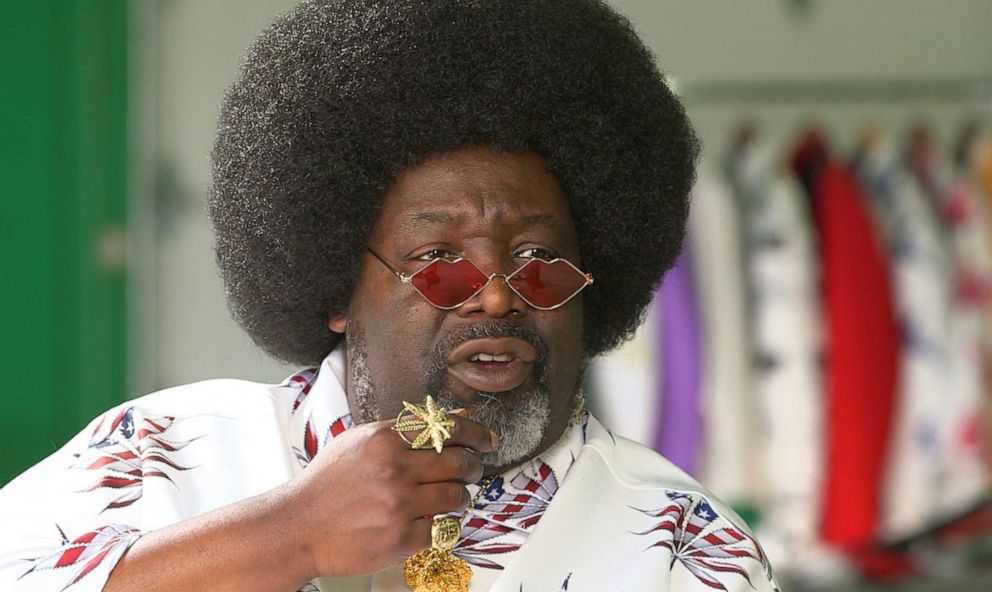
Image Credit: ABC News
Court Rejects Officers’ Claims
The court ultimately dismissed the lawsuit, siding with Afroman and his legal team. The ruling underscored the protections afforded to creative expression, particularly when it involves parody or commentary on real-life events. Because the officers were acting in their official capacity during the raid, the court found that their expectation of privacy was limited. Additionally, the judge recognized the videos as a form of expressive work, rather than a purely commercial misuse of likeness.
Free Speech Takes Center Stage
At its core, the case became a test of free speech rights in the digital era. Afroman’s defense argued that his videos were not only artistic but also served as a personal response to an event that directly affected him. By framing the content as satire, the defense positioned the videos within a long-standing tradition of using humor and art to critique authority. The court’s agreement with this perspective reinforces the idea that creative expression—even when provocative—deserves strong legal protection.

Image Credit: Getty Images
The Power of Satire in Modern Media
Satire has always played a crucial role in cultural and political commentary, but the rise of digital platforms has amplified its reach and impact. Afroman’s case illustrates how creators can use real-world footage to craft narratives that resonate with audiences. However, it also raises questions about where the line should be drawn between fair use and potential harm. While this ruling favors the artist, it does not eliminate the complexity surrounding similar cases in the future.
Public Reaction and Cultural Debate
Public response to the verdict has been largely supportive of Afroman, with many viewing the outcome as a win for individual rights against institutional power. Fans and free speech advocates have praised the decision, arguing that it protects the ability to challenge authority through creative means. On the other hand, some critics believe the ruling could open the door to misuse of real-life footage, particularly in ways that may blur the line between humor and defamation.
Legal Implications Moving Forward
Legal experts suggest that this case could influence how courts approach disputes involving viral content and public officials. The decision reinforces the principle that individuals in official roles may be subject to public scrutiny and commentary, especially when their actions are part of a widely discussed event. However, future cases will likely continue to examine the nuances of intent, context, and presentation when determining whether content crosses legal boundaries.
Image Credit: Johnny Louis/Getty Images
Digital Content and Accountability
Another important dimension of the case is the evolving role of digital creators in shaping narratives. With access to personal recording devices and platforms that enable instant sharing, individuals now have unprecedented control over how their stories are told. Afroman’s use of his own surveillance footage highlights this shift, demonstrating how technology can empower individuals to respond to institutional actions in real time.
What This Means for Artists and Creators
For artists, the ruling provides reassurance that creative risks—especially those involving satire and commentary—are protected under the law. It encourages creators to engage with real-world issues through their work, knowing that courts may recognize the value of such expression. At the same time, it serves as a reminder that context and intent are critical, and that not all uses of real-life footage will receive the same level of protection.
Final Thoughts
Afroman’s victory in court represents a defining moment in the ongoing conversation about free speech, artistic expression, and the power dynamics between individuals and institutions. By successfully defending his right to use satire as a form of commentary, he has set a precedent that could shape future legal battles in the digital age. As content creation continues to evolve, cases like this will play a crucial role in determining how far creative freedom can extend while balancing the rights of those depicted.
FAQs
Q1: Why did Ohio police officers sue Afroman?
They alleged that his music videos used footage from a police raid in a way that invaded their privacy and caused emotional distress.
Q2: What did the court decide in the case?
The court dismissed the lawsuit and ruled in favor of Afroman, supporting his right to create satirical and expressive content.
Q3: What was shown in Afroman’s videos?
The videos included home security footage from a police raid, edited into humorous and critical music content.
Q4: What does this ruling mean for free speech?
It reinforces protections for parody and commentary, especially when they involve public officials performing their duties.
Q5: Could this case impact future legal disputes?
Yes, it may influence how courts handle cases involving viral content, satire, and the use of real-life footage.
Published by HOLR Magazine