


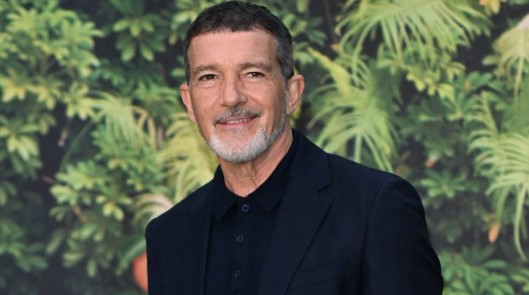
Antonio Banderas reveals how Hollywood executives once tried to shape his career choices, sparking a wider conversation about creative control and typecasting in the film industry
March 27, 2026: Antonio Banderas is opening up about a lesser-discussed reality of the film industry—being told what roles to take by powerful figures behind the scenes. In a recent conversation, the acclaimed actor reflected on moments in his career when Hollywood executives attempted to guide, and at times limit, the types of characters he portrayed.
His remarks have quickly sparked conversation, shedding light on an issue that many actors face but rarely discuss publicly. Banderas’ honesty offers a deeper understanding of how the industry operates beyond the screen.
Image Credit: Yahoo
The Pressure to Fit a Certain Image
According to Banderas, there were periods in his career when industry executives encouraged him to stick to specific types of roles that aligned with their perception of his image. This often meant repeating similar characters rather than exploring a broader range of performances.
Such pressure is not uncommon in Hollywood, where marketability and audience expectations can heavily influence casting decisions. For actors, this can create a tension between professional opportunity and creative fulfillment.
Banderas’ experience highlights how easily talent can be shaped—or restricted—by external expectations.
Typecasting and Its Long-Term Impact
Typecasting remains one of the most persistent challenges in the entertainment industry. Once an actor becomes associated with a particular role or genre, it can be difficult to break free from that identity.
For Banderas, who has demonstrated versatility across drama, action, and musical performances, being confined to a narrow range of roles would have limited his artistic growth. His willingness to push back against these expectations played a key role in maintaining a diverse and dynamic career.
This conversation also resonates with many other actors who have spoken about similar struggles, making it a broader industry issue rather than an isolated experience.

Image Credit: KTUL
Balancing Commercial Success and Artistic Freedom
One of the central themes in Banderas’ comments is the balance between commercial success and artistic integrity. Hollywood, as both an art form and a business, often prioritizes projects that guarantee financial returns.
This can lead to decisions that favor familiar formulas over creative risks. For actors, agreeing to such roles may offer stability and visibility, but it can also limit opportunities for growth.
Banderas’ perspective underscores the importance of making choices that align with personal values, even when they challenge industry norms.
A Shift Toward Greater Creative Control
In recent years, there has been a noticeable shift in how actors approach their careers. Many are taking on roles behind the camera as producers or directors, giving them more control over the stories they tell.
Banderas’ reflections align with this trend, emphasizing the importance of autonomy in creative professions. By choosing projects that resonate with him personally, he has been able to maintain both relevance and authenticity.
This shift is also being supported by the rise of streaming platforms and independent productions, which offer more opportunities for diverse storytelling.

Image Credit: Yahoo
Why His Comments Matter Now
The timing of Banderas’ comments is particularly significant. As conversations around representation, diversity, and creative freedom continue to grow, his insights add valuable perspective to the discussion.
Audiences today are more aware of the complexities behind filmmaking, and there is increasing interest in how decisions are made behind the scenes. Banderas’ openness contributes to this evolving dialogue, encouraging transparency within the industry.
The Reality Behind the Glamour
Hollywood is often seen as a world of glamour and opportunity, but Banderas’ comments reveal a more nuanced reality. Behind the red carpets and blockbuster films lies a system where power dynamics can shape careers in significant ways.
Understanding this reality allows audiences to appreciate the challenges actors face, as well as the resilience required to navigate such an environment.
A Legacy of Versatility
Despite the challenges he describes, Antonio Banderas has built a career defined by versatility and longevity. From critically acclaimed performances to mainstream success, he has consistently demonstrated his ability to adapt and evolve.
His willingness to speak openly about industry pressures not only adds depth to his legacy but also positions him as a voice for change within Hollywood.

Image Credit: Yahoo News Canada
Conclusion
Antonio Banderas’ reflections on being told what roles to play offer a rare glimpse into the inner workings of Hollywood. His experience highlights the ongoing tension between creative freedom and industry expectations, a challenge that continues to shape the careers of many actors.
As the industry evolves, conversations like these play a crucial role in driving change, encouraging a future where artistic expression is valued as much as commercial success.
FAQs
1. What did Antonio Banderas say about Hollywood executives?
He revealed that executives sometimes tried to influence the types of roles he accepted, shaping his career direction.
2. What is typecasting in Hollywood?
Typecasting occurs when an actor is repeatedly cast in similar roles, limiting their ability to explore different characters.
3. How did Banderas handle this pressure?
He chose to pursue diverse roles and maintain creative independence, helping him build a versatile career.
4. Why is this topic important?
It sheds light on industry practices and encourages discussions about creative freedom and fairness.
5. Has Hollywood changed in recent years?
Yes, there is a growing emphasis on diversity, representation, and giving artists more control over their work.
Published by HOLR Magazine