


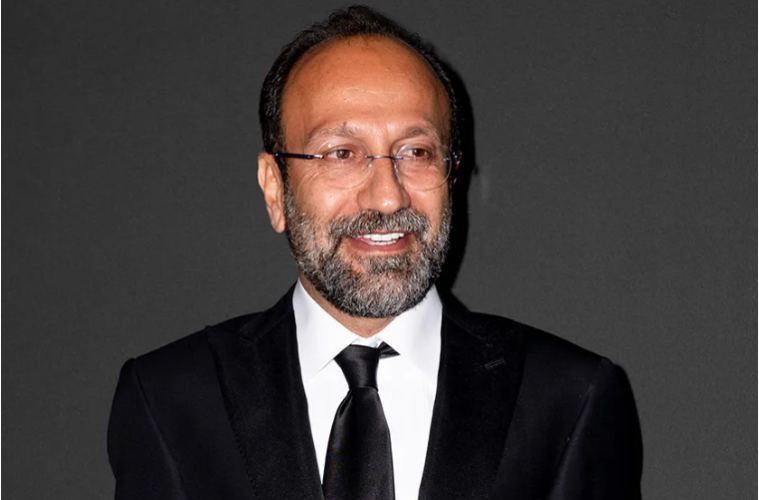
Oscar-winning director calls attacks on infrastructure a “war crime”
Farhadi Issues Urgent Call to Filmmakers
April 07, 2026 – Asghar Farhadi is urging artists and filmmakers around the world to speak out amid escalating tensions involving Iran, delivering a powerful and emotional statement that has quickly gained global attention. The Oscar-winning director called on the creative community to use their voices “in these critical days and hours” to raise awareness and push back against ongoing destruction.
Farhadi’s plea reflects a growing sense of urgency among cultural figures as geopolitical tensions intensify, particularly regarding civilian safety and infrastructure.
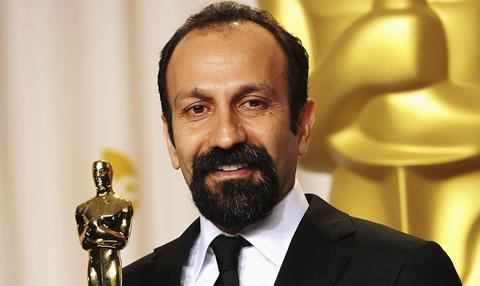
Image Credit: Getty Images
“Attacking Infrastructure Is a War Crime”
In his statement, Farhadi did not hold back. He described the destruction of Iran’s civilian infrastructure as more than just physical damage, calling it “an attack on human life and dignity.”
He went further, stating plainly that “attacking a country’s infrastructure is a war crime,” emphasizing that such actions affect ordinary people’s daily lives—impacting access to essential services and basic needs.
His words frame the issue not only as a political or military matter but as a humanitarian crisis with far-reaching consequences.
A Broader Appeal Beyond Politics
What makes Farhadi’s message particularly notable is its emphasis on unity beyond political differences. He urged artists globally to stand together regardless of their personal beliefs, focusing instead on the shared goal of preventing further destruction.
This approach aligns with Farhadi’s long-standing philosophy as a filmmaker—one that often centers on human complexity, moral dilemmas, and empathy. His films, including A Separation and The Salesman, have consistently explored the human impact of societal and political pressures.
By extending this perspective to real-world events, Farhadi is positioning art as a tool for advocacy and awareness.

Image Credit: Getty Pool
The Role of Artists in Times of Conflict
Farhadi’s call highlights a recurring question: what responsibility do artists have during times of crisis? His answer is clear—silence is not an option.
He encouraged filmmakers and creatives to use whatever platforms they have to amplify awareness, influence public opinion, and contribute to global dialogue.
Historically, artists have played a significant role in shaping public perception during conflicts, often providing perspectives that go beyond official narratives. Farhadi’s statement reinforces this tradition, urging today’s creatives to step into that role.
Context: Rising Tensions Around Iran
Farhadi’s comments come at a time of heightened geopolitical tension involving Iran, with concerns over military escalation and its potential impact on civilians. Reports indicate that threats and actions targeting infrastructure have raised alarm among international observers.
The destruction of infrastructure—such as power grids, transportation systems, and communication networks—can have devastating consequences for everyday life, often affecting vulnerable populations the most.
By focusing on this aspect, Farhadi is drawing attention to the human cost of conflict rather than its political narratives.
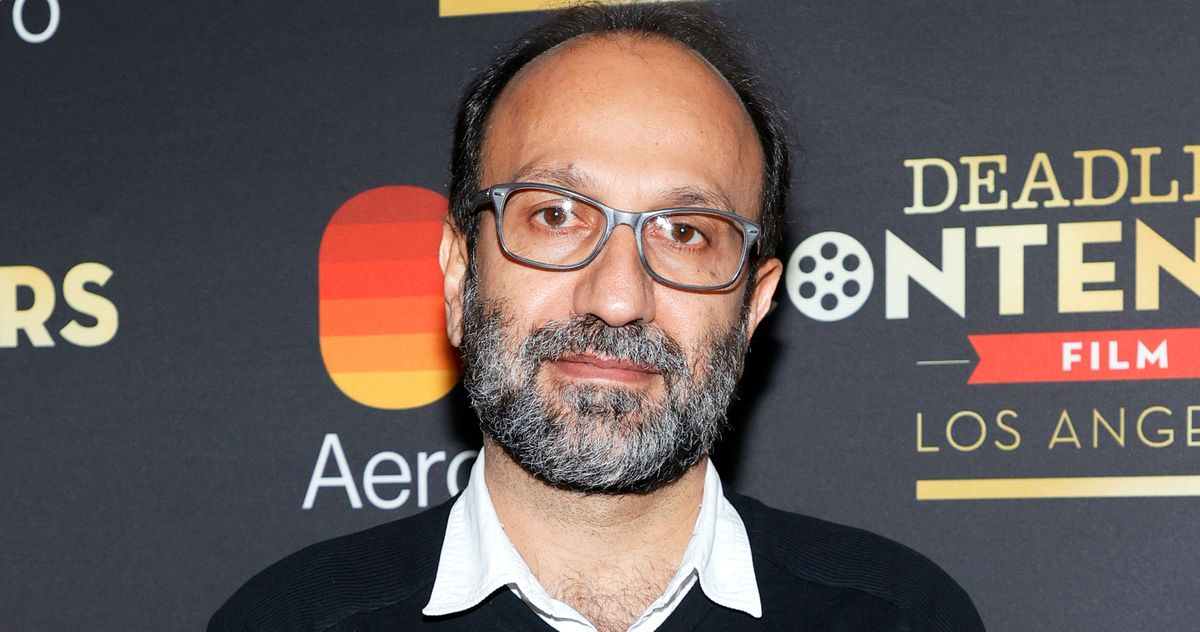
Image Credit: Getty Images
Farhadi’s History of Speaking Out
Asghar Farhadi is no stranger to political expression. Throughout his career, he has used both his films and public platform to address social and political issues.
He notably boycotted the 2017 Academy Awards in protest of U.S. travel restrictions and has previously signed statements supporting protests and condemning violence in Iran.
His latest remarks continue this pattern, demonstrating a willingness to engage with global issues even when they carry personal or professional risks.
Global Film Community Reaction
Farhadi’s statement has sparked conversation across the film industry, with many viewing it as a call to action. While not all filmmakers publicly engage in political discourse, moments like this often prompt reflection on the role of art in society.
The global nature of the film industry means that voices from different regions can come together to address shared concerns. Farhadi’s appeal taps into that interconnectedness, encouraging collective action.

Image Credit: Boesl/picture-alliance/dpa/AP Images
Art as a Form of Resistance
In contexts where traditional forms of protest may be limited, art can become a powerful form of resistance. Films, storytelling, and public statements can challenge narratives, raise awareness, and humanize complex issues.
Farhadi’s message underscores this potential, suggesting that filmmakers have both the ability and the responsibility to contribute to meaningful dialogue.
Final Thoughts
Asghar Farhadi’s call for filmmakers to speak out against the escalation of conflict involving Iran is a powerful reminder of the intersection between art and humanity. By labeling attacks on infrastructure as a “war crime,” he has shifted the focus toward the human impact of such actions.
His message challenges the global creative community to move beyond passive observation and engage with the realities shaping the world today. In doing so, Farhadi reinforces a timeless idea: that storytelling is not just about entertainment—it is also about responsibility, empathy, and the power to inspire change.
FAQs
Q1: What did Asghar Farhadi say about the Iran conflict?
He called on filmmakers to speak out and described attacks on infrastructure as a “war crime.”
Q2: Why is infrastructure destruction significant?
Because it affects civilians’ access to basic needs like electricity, water, and communication.
Q3: What role does Farhadi believe artists should play?
He believes they should use their voices to raise awareness and influence public opinion.
Q4: Has Farhadi spoken out on political issues before?
Yes, he has previously protested policies and supported movements related to Iran.
Q5: Why is his statement important?
It highlights the humanitarian impact of conflict and calls for global artistic solidarity.
Published by HOLR Magazine