



TKO’s rise sparks questions about whether Ticketmaster’s dominance in live events can finally be challenged
The Growing Question Around Ticketmaster’s Power
March 24, 2026 — The live events industry is facing renewed scrutiny as questions emerge about whether companies like TKO Group Holdings could finally challenge the dominance of Ticketmaster and its parent Live Nation Entertainment. For years, Ticketmaster has been at the center of controversy, with critics arguing that its control over ticketing, venues, and promotion has created an environment with limited competition.
The conversation has intensified in 2026 as legal battles and public frustration continue to build, raising the possibility that new players—or structural changes—could reshape the industry.
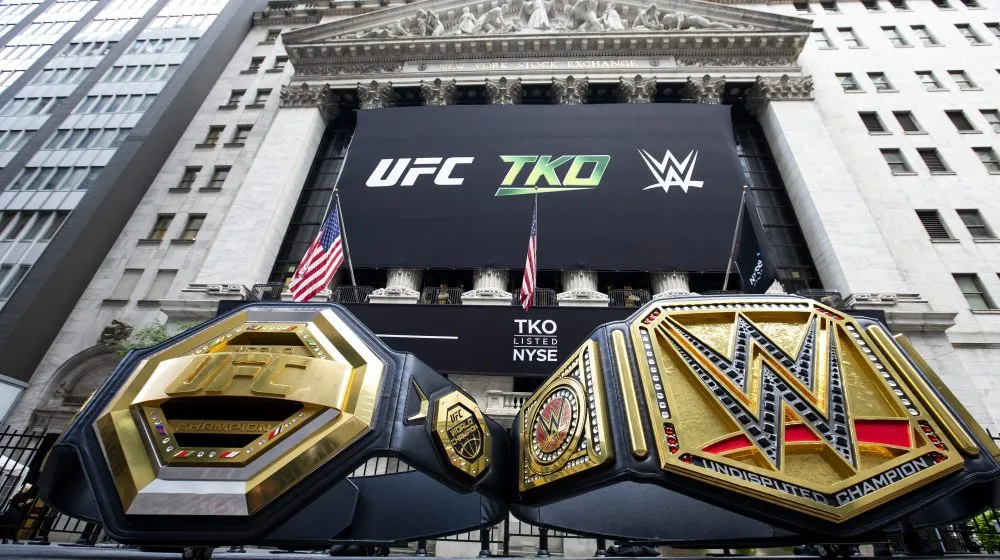
Image Credit: LowKick MMA
Why Ticketmaster’s Grip Is So Strong
Ticketmaster’s dominance didn’t happen overnight. Its power largely stems from its 2010 merger with Live Nation, creating a vertically integrated system that controls:
- Ticket sales
- Concert promotion
- Venue ownership
- Artist management
This structure gives the company significant influence across the entire live events ecosystem. Reports estimate that it controls a large majority of the primary ticketing market, making it extremely difficult for competitors to gain traction.
Critics argue that this level of control allows the company to:
- Lock venues into exclusive contracts
- Limit access for competing ticket platforms
- Contribute to higher fees for consumers
The result is a system many believe lacks true competition.
Legal Pressure Is Mounting
In 2026, Ticketmaster and Live Nation are facing one of the most significant antitrust challenges in their history. Government authorities and multiple states have accused the company of maintaining anti-competitive practices that impact fans, artists, and venues.
Key concerns include:
- Exclusive agreements with venues
- High service fees and lack of transparency
- Barriers preventing new competitors from entering the market
Although recent developments have addressed some issues, the broader concerns around competition and control remain unresolved. This ongoing legal pressure is creating a potential opening for alternative players to step in.

Image Credit: Reddit
Where TKO Fits Into the Picture
TKO Group Holdings, formed through the merger of WWE and UFC, represents a unique force in the live events space. Unlike traditional concert promoters, TKO controls globally recognized brands and produces high-demand events that attract massive audiences.
This gives TKO a significant advantage:
- Control over premium, must-see content
- Strong global fanbase
- High leverage in negotiations with venues
These strengths position TKO as one of the few entities capable of challenging aspects of Ticketmaster’s dominance—at least in theory.
The Biggest Challenge: Infrastructure Control
Despite its influence, TKO faces a major obstacle—Ticketmaster’s infrastructure. Live Nation’s control over venues and ticketing systems creates a network that is difficult to bypass.
This means:
- Many venues are tied to Ticketmaster systems
- Alternative platforms struggle to scale
- Promoters often have limited flexibility
Even major organizations like TKO would need to navigate these limitations carefully, as breaking away from established systems could impact logistics and revenue.
Image Credit: LowKick MMA
Could TKO Actually Disrupt the System?
TKO has the potential to challenge parts of the system, but doing so would require strategic moves.
Possible approaches include:
- Partnering with alternative ticketing companies
- Negotiating new types of venue agreements
- Leveraging exclusive content to influence distribution
However, Ticketmaster’s long-standing relationships and technological infrastructure remain significant barriers.
The Role of Regulation in Industry Change
Many experts believe that meaningful disruption will come from regulatory action rather than competition alone. Legal efforts could:
- Limit exclusive contracts
- Increase market access for competitors
- Reshape how ticketing and promotion are structured
If these changes occur, companies like TKO could benefit from a more open and competitive environment.
What This Means for Fans
For fans, the impact of Ticketmaster’s dominance is often felt through:
- High ticket prices
- Additional service fees
- Limited purchasing options
The hope is that increased competition or regulatory changes could lead to:
- More transparent pricing
- Lower overall costs
- Improved access to tickets
However, these outcomes depend on broader industry shifts that are still unfolding.
A System at a Turning Point
The live events industry is clearly at a pivotal moment. With legal challenges, growing public criticism, and emerging competitors, the conditions for change are stronger than ever.
At the same time, the complexity of the current system means that transformation is unlikely to happen quickly or easily.
Final Take: Can TKO Break Ticketmaster?
TKO has the scale, influence, and content power to challenge parts of Ticketmaster’s dominance—but not enough to dismantle it on its own. The company’s control over infrastructure, contracts, and industry relationships remains deeply entrenched.
Real change will likely require a combination of:
- Regulatory action
- Industry collaboration
- Strategic innovation
If these elements align, TKO could play a significant role in reshaping the future of live events. Until then, Ticketmaster’s grip, while increasingly challenged, remains firmly in place.
FAQs
1. Why is Ticketmaster considered dominant?
Because it controls ticketing, venues, and promotion through its integration with Live Nation.
2. What is TKO Group Holdings?
It is a company formed by WWE and UFC, controlling major live entertainment events.
3. Can TKO replace Ticketmaster?
Not entirely, but it could challenge certain aspects of its dominance.
4. What are the legal issues about?
They focus on anti-competitive practices and lack of market competition.
5. Will this reduce ticket prices?
Only if increased competition or regulation changes the current system.
Published by HOLR Magazine