


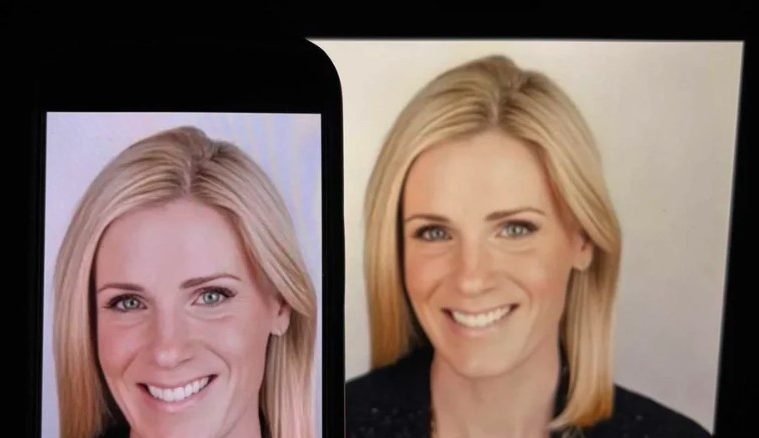
Woman featured on Coldplay kiss cam speaks publicly for the first time, revealing fear for her safety
A Moment That Turned Into a Nightmare
December 18, 2025 — The woman who appeared on a Coldplay concert kiss cam has spoken out publicly for the first time, revealing that the viral moment left her fearing for her life. What began as a brief, lighthearted appearance on a stadium screen quickly escalated into intense online attention, harassment, and threats, prompting her to come forward about the toll the incident has taken on her safety and mental well-being.
In a statement addressing the aftermath, she described feeling overwhelmed by the speed at which the clip spread and the aggressive response that followed. The incident, she said, transformed a single second of visibility into weeks of fear and uncertainty.
From Concert Fun to Viral Target
The kiss cam moment occurred during a Coldplay show, a common concert tradition meant to entertain crowds between songs. Within hours, clips of the interaction circulated widely across social media platforms, drawing commentary that quickly turned invasive.
According to the woman, the online reaction escalated beyond jokes or memes, evolving into harassment and threats that made her fear leaving her home. She emphasized that she never consented to becoming a viral figure and was unprepared for the intensity of public scrutiny that followed.
Fear for Personal Safety
In her first public remarks, the woman said the experience forced her to take precautions she never imagined would be necessary after attending a concert. She described feeling unsafe both online and offline, citing messages that crossed from commentary into intimidation.
The fear, she explained, wasn’t abstract. It affected her daily routines, sense of security, and trust in public spaces. What troubled her most was how quickly strangers felt entitled to speculate about her life based on a few seconds on a screen.
HOLR breaks down why this story has sparked renewed discussion about viral culture and accountability.
The Dark Side of Viral Moments
Experts in digital culture note that viral incidents often strip individuals of context and humanity. Once a clip gains traction, commentary can escalate rapidly, fueled by anonymity and algorithms that reward engagement over empathy.
In this case, critics have pointed out how easily a harmless moment was reframed into something far more damaging. The woman’s experience underscores how public shaming and harassment can follow even the most innocuous situations, particularly when individuals are not public figures.
Calls for Accountability and Boundaries
Following her statement, online conversation has shifted toward responsibility — not just of individuals posting commentary, but of platforms that amplify it. Advocates argue that clearer safeguards are needed to protect private individuals who are thrust into viral visibility without consent.
Many fans have also called for more thoughtful behavior at live events, reminding others that not everyone wants to be placed on a giant screen or turned into online content.
Support and Public Reaction
After her comments surfaced, messages of support began circulating from concertgoers, fans, and digital safety advocates. Many expressed regret over how the situation unfolded and acknowledged the harm caused by casual sharing and speculation.
Others noted that her story reflects a broader issue affecting countless people who become viral unwillingly — a reminder that internet attention can have real-world consequences.
A Broader Conversation About Consent
The incident has reignited debate around consent in public entertainment spaces. While kiss cams and audience shots are long-standing traditions, critics argue that modern social media changes the stakes, turning fleeting moments into permanent digital records.
The woman’s experience has become a case study in how traditions designed for fun can have unintended consequences in an era of instant global sharing.
Speaking Out to Reclaim Control
By sharing her story, the woman said she hoped to regain some control over a narrative that had spiraled beyond her reach. She emphasized that her goal was not to assign blame, but to highlight the human cost of viral behavior.
Her message was clear: behind every clip is a real person, with a life that continues long after the crowd cheers fade.
Looking Ahead
While the viral moment may eventually fade from public attention, its impact on her life remains significant. She said she is focused on rebuilding a sense of normalcy and safety, while urging others to think twice before turning strangers into content.
The story serves as a sobering reminder that visibility without consent can be dangerous — and that empathy should not disappear the moment a camera starts rolling.
Published by HOLR Magazine