


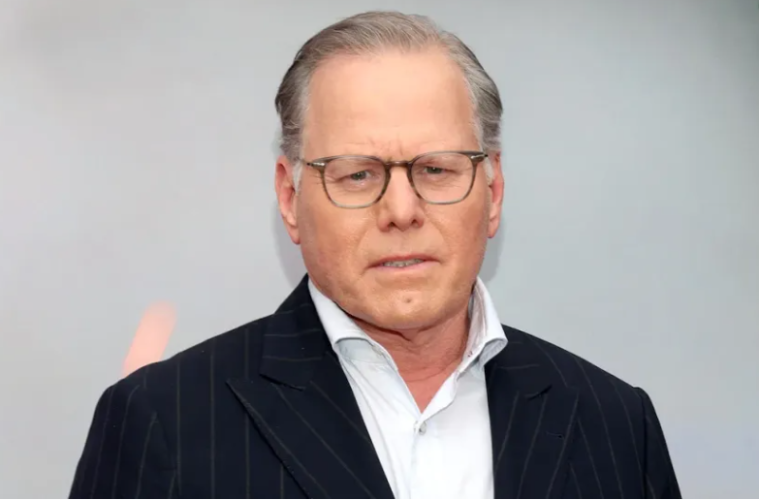
David Zaslav’s Massive Compensation Sparks Industry Debate
A Headline-Grabbing Pay Package
March 17, 2026 – Media executive David Zaslav is reportedly set to receive a staggering $887 million compensation package tied to the proposed merger between Warner Bros. and Paramount Global. The news has quickly become one of the most talked-about developments in the entertainment industry, drawing both attention and criticism.
The compensation is reportedly structured around performance-based incentives and long-term equity rewards, designed to align Zaslav’s leadership with the success of the newly merged entity. However, the sheer scale of the package has raised questions about executive pay in Hollywood.

Image Credit: Michael Buckner
The Merger Behind the Numbers
The proposed merger between Warner Bros. and Paramount represents a major shift in the media landscape. If completed, the deal would bring together two of Hollywood’s most iconic studios, creating a powerful entity capable of competing with global streaming giants and traditional media companies alike.
Zaslav, who has been a central figure in major media consolidation efforts, is expected to play a key leadership role in guiding the combined company through this transition. His compensation reflects the high stakes involved in managing such a significant merger.
Why the Compensation Is So High
Large-scale mergers often come with equally large executive compensation packages, particularly when they involve complex integrations and long-term strategic goals. In Zaslav’s case, much of the reported $887 million is tied to stock options and performance targets rather than immediate cash payouts.
These incentives are typically designed to reward executives for increasing company value over time. If the merged entity performs well, both shareholders and leadership stand to benefit. However, critics argue that such massive packages can appear excessive, especially during times of industry uncertainty.

Image Credit: Slaven Vlasic/Getty Images
Industry Reactions Pour In
The announcement has sparked widespread discussion across the entertainment and business sectors. Some industry insiders defend the compensation as standard for deals of this magnitude, emphasizing the challenges involved in merging two major companies.
Others, however, have raised concerns about income disparity and corporate governance, questioning whether such large payouts are justified. The debate reflects broader conversations about executive compensation across industries, particularly in high-profile sectors like media and entertainment.
The Future of Warner Bros. and Paramount
If the merger proceeds as planned, the combined company could reshape the competitive landscape of Hollywood. With access to an extensive library of content, major franchises, and global distribution channels, the new entity would be positioned as a major player in both traditional and streaming markets.
Zaslav’s leadership will be crucial in navigating this transition, from integrating operations to defining a unified creative and business strategy. The success or failure of the merger could have long-term implications for the industry as a whole.

Image Credit: Ethan Miller/Getty Images
A Changing Media Landscape
The entertainment industry is currently undergoing rapid transformation, driven by streaming competition, shifting audience habits, and evolving business models. Mergers like this one are part of a broader trend toward consolidation, as companies seek to scale up and remain competitive.
Zaslav’s compensation package highlights the high stakes involved in these transformations. As companies invest heavily in content and technology, leadership decisions become increasingly critical to long-term success.
Public Perception and Corporate Responsibility
While large executive payouts are not uncommon, they often attract public scrutiny, particularly when tied to major corporate changes. The visibility of this deal has amplified discussions about fairness, accountability, and the role of leadership in shaping company outcomes.
For many observers, the key question is whether such compensation will ultimately be justified by the performance of the merged company. If the deal delivers strong results, the package may be seen as a strategic investment. If not, it could become a focal point for criticism.

Image Credit: Getty Images
Final Thoughts
David Zaslav’s reported $887 million compensation package underscores the enormous stakes involved in the Warner Bros.-Paramount merger. As one of the most significant deals in recent media history, it highlights both the opportunities and challenges facing the industry. While the size of the payout has sparked debate, its ultimate justification will depend on the success of the merger and the future performance of the combined company.
FAQs
Q1: Why is David Zaslav receiving $887 million?
The compensation is tied to performance incentives and equity related to the Warner Bros.-Paramount merger.
Q2: Is the $887 million paid in cash?
No, most of it is expected to be in stock options and long-term incentives rather than immediate cash.
Q3: What companies are involved in the merger?
The merger involves Warner Bros. and Paramount Global.
Q4: Why are executive compensation packages so large?
They are often linked to performance goals and designed to align executives with company success.
Q5: What impact could this merger have on the industry?
It could reshape the media landscape by creating a stronger competitor in both film and streaming markets.
Published by HOLR Magazine