


Lawmakers and Media Figures Push Back Against What They Call a Politically Motivated Power Move
Political Backlash Over Warner Leadership Changes
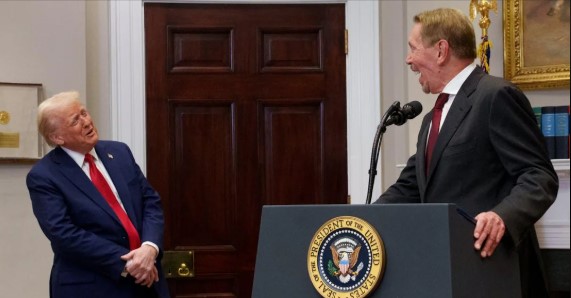
February 27, 2026: Democratic lawmakers and progressive media voices are criticizing what they describe as a “Trumpist takeover” of Warner Bros., igniting fresh tensions between Hollywood and Washington.
The controversy follows reported leadership and strategic shifts within the media giant that critics claim signal a move toward conservative-aligned influence. While company officials have framed recent changes as business-driven decisions, several Democratic figures argue that the developments reflect a broader cultural and political realignment within major media institutions.

Image Credit: The Hill
What Sparked the Criticism
The backlash centers around reported executive appointments and programming decisions that some observers believe signal ideological positioning. Democratic representatives have publicly questioned whether corporate restructuring is being influenced by political considerations rather than purely commercial strategy.
Statements from party members suggest concern that large entertainment platforms could amplify partisan narratives if leadership direction shifts.
Supporters of the changes, however, argue that media organizations have long leaned left and that diversifying perspectives is not equivalent to political capture.
)
Image Credit: Business Standard
The Broader Media Landscape
The debate underscores a larger issue in American politics: the intersection of media ownership and ideological influence. As consolidation increases across entertainment conglomerates, concerns about editorial direction and content messaging continue to grow on both sides of the aisle.
For decades, Hollywood has been viewed as predominantly progressive. Allegations of a “Trumpist takeover” reflect anxieties among Democrats that conservative-aligned investors or executives could alter programming direction, talent decisions, or public messaging.
Meanwhile, some industry analysts caution against overstating the political dimension, noting that media mergers and leadership transitions often prioritize financial performance, shareholder value, and market positioning over partisan goals.
Image Credit: Baltimore Sun
Industry Reaction
Within Hollywood, reactions have been mixed. Some creative professionals have voiced unease about potential political influence in corporate governance, while others emphasize the importance of artistic independence regardless of ownership changes.
Warner Bros. has not publicly characterized its internal developments as politically motivated. Company representatives maintain that strategic decisions are centered on growth, competitiveness, and content expansion.
The situation remains fluid, with political commentary outpacing confirmed structural changes.
A Growing Cultural Divide
The response from Democratic leaders highlights how entertainment companies increasingly find themselves at the center of political debate. From streaming platforms to legacy studios, media corporations are now viewed not only as content producers but also as cultural power brokers.
As of February 27, 2026, no formal government action has been proposed regarding Warner Bros., but rhetoric around the issue continues to intensify.
Whether the controversy reflects genuine ideological transformation or heightened partisan sensitivity remains subject to interpretation.

Image Credit: AOL.com
FAQs
Why are Democrats criticizing Warner Bros.?
They claim recent leadership or strategic changes suggest conservative-aligned influence within the company.
Has Warner Bros. confirmed a political shift?
No. The company has framed recent developments as business decisions rather than political moves.
Is this tied to a larger media trend?
Yes. Media consolidation and executive shifts often spark debate about ideological influence in entertainment.
Has any government action been taken?
As of February 27, 2026, no formal action has been announced.
Why is this controversial?
Because major media companies shape cultural narratives, perceived political influence can generate strong reactions.
The debate reflects how deeply intertwined politics and media have become — especially when corporate decisions are viewed through a partisan lens.
Published by HOLR Magazine