


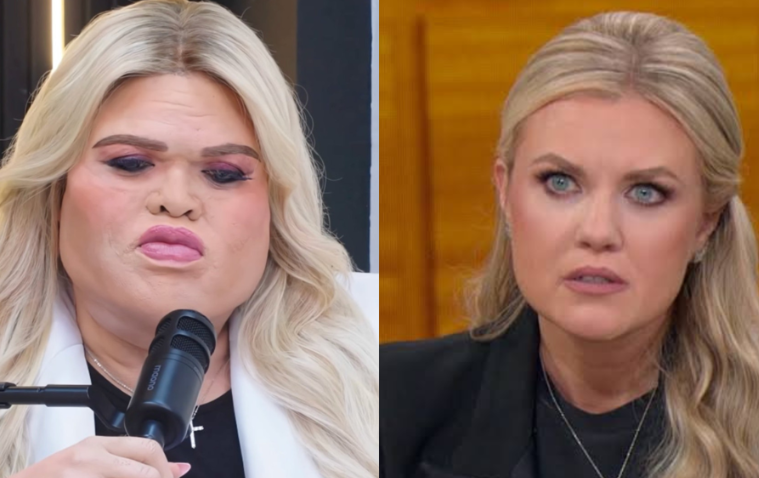
TPUSA CEO addresses viral controversy while choosing to ignore criticism
Erika Kirk Breaks Silence on Viral Druski Video
April 07, 2026 – Erika Kirk has finally addressed the growing online backlash following a viral parody video created by comedian Druski. After days of intense speculation, criticism, and widespread social media debate, Kirk responded publicly—making it clear that she is not letting the controversy affect her.
Speaking at a Turning Point USA event, Kirk dismissed the criticism surrounding the video, calling it “nothing but noise.” Her response signals a deliberate choice to disengage from online negativity, even as the controversy continues to dominate headlines and online discussions.
:max_bytes(150000):strip_icc():focal(740x316:742x318)/erika-kirk-120925-3c587a4964c34bb9878656b42cc6b1c0.jpg)
Image Credit: Dimitrios Kambouris/Getty
The Viral Video That Sparked Controversy
The situation began when Druski released a satirical skit titled “How Conservative Women in America Act.” The video quickly went viral, amassing millions of views across platforms and drawing both praise and backlash.
In the skit, Druski appeared to parody Erika Kirk through exaggerated mannerisms, appearance, and references to her public persona. The portrayal included elements that many viewers found humorous, while others criticized it as inappropriate—particularly given Kirk’s personal circumstances following the recent death of her husband.
The video’s rapid spread turned it into a cultural flashpoint, sparking debates about satire, boundaries, and respect in comedy.
A Divided Internet Reaction
As the video gained traction, reactions across social media became sharply divided. Some viewers defended the skit as typical comedic satire, arguing that public figures are often subject to parody. Others, however, viewed it as crossing a line—especially in light of Kirk’s recent personal loss.
Prominent voices weighed in, with some public figures condemning the video as insensitive. At the same time, others defended Druski’s right to comedic expression, highlighting the ongoing tension between free speech and perceived respect.
This divide reflects a broader cultural conversation about the limits of humor in an era where content spreads instantly and widely.
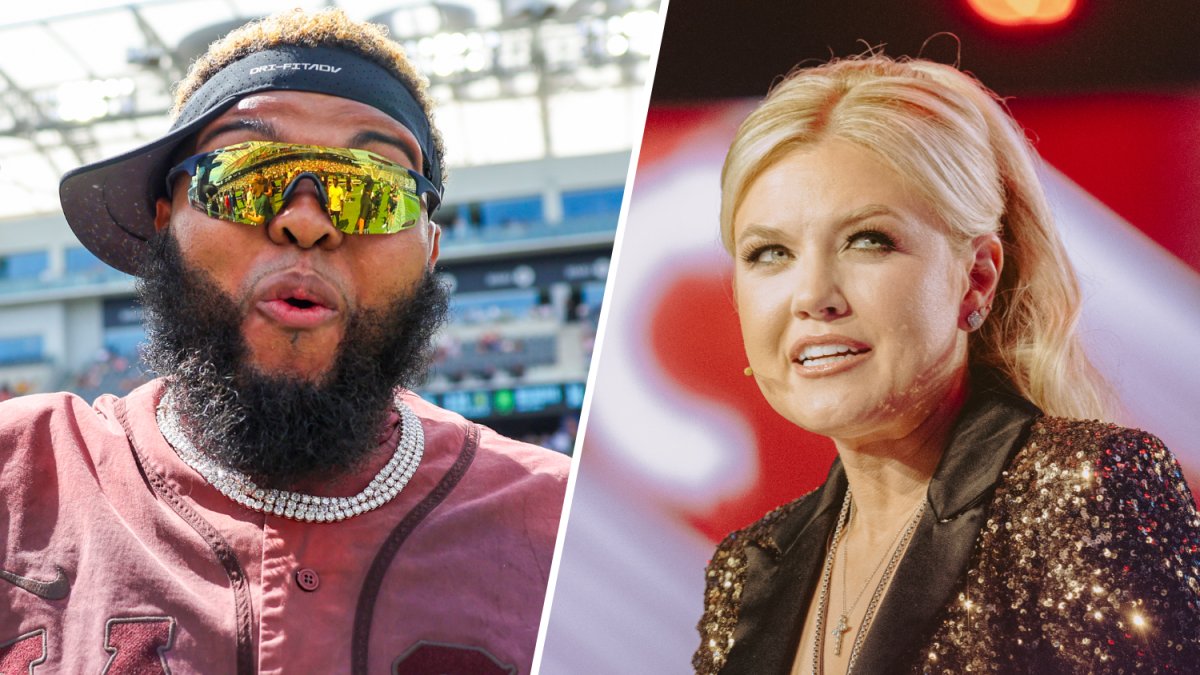
Image Credit: Getty Images
Kirk’s Response: “Nothing but Noise”
Despite the intensity of the backlash, Erika Kirk made it clear that she is choosing not to engage. During her public appearance, she emphasized that she is focused on her priorities rather than online criticism.
By describing the backlash as “nothing but noise,” Kirk signaled a refusal to validate or amplify the controversy. Her response suggests a strategy of disengagement—one that prioritizes personal well-being over public debate.
She also highlighted her focus on family and responsibilities, reinforcing that her attention remains on her personal life rather than social media discourse.
The Role of Public Figures in Viral Culture
Kirk’s response highlights a growing challenge for public figures navigating viral moments. In today’s digital landscape, individuals can become the subject of global attention almost instantly, often without context or control.
For figures like Kirk, the decision to respond—or not respond—can shape public perception. While some choose to directly address criticism, others, like Kirk, opt to disengage entirely.
This approach reflects a broader shift in how public figures manage online narratives, particularly when controversies are fueled by viral content.

Image Credit: Reuters
Satire, Sensitivity, and Cultural Boundaries
The controversy also raises important questions about satire and its boundaries. Comedy has long relied on exaggeration and parody, but the line between humor and offense can be highly subjective.
In this case, the debate centers on whether the skit was fair satire or whether it crossed into insensitivity. The involvement of real-life circumstances—such as personal loss—adds complexity to the discussion.
As viral content continues to shape public discourse, these questions are becoming increasingly relevant, with no clear consensus on where boundaries should be drawn.
The Power—and Risk—of Viral Content
The rapid spread of Druski’s video demonstrates the power of viral content to influence public conversation. Within hours, the skit became a trending topic, drawing attention from media outlets, public figures, and millions of viewers.
However, this visibility also comes with risks. Viral content can amplify criticism, spread misinformation, and create narratives that may not fully reflect reality.
In Kirk’s case, earlier rumors suggested direct responses or legal action—claims that were later debunked. This highlights how quickly misinformation can spread alongside viral moments.
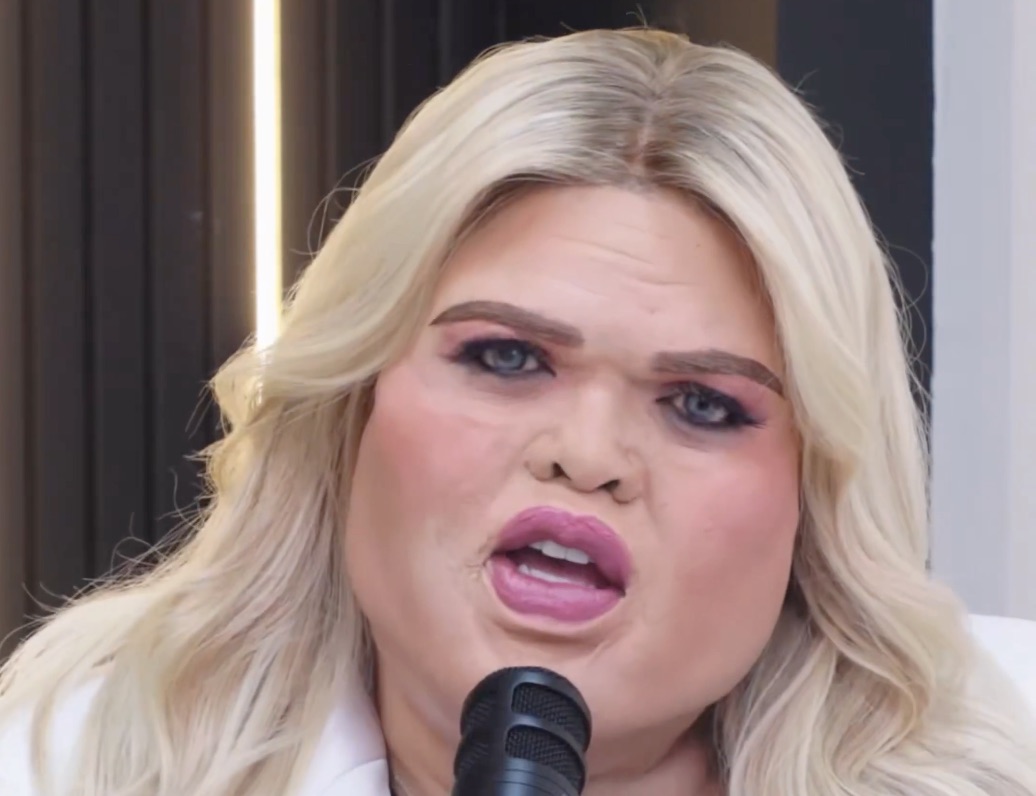
Image Credit: druski/Facebook
Choosing Focus Over Controversy
Kirk’s decision to label the backlash as “noise” reflects a conscious effort to maintain control over her narrative. Rather than engaging in a public back-and-forth, she has chosen to prioritize her personal life and responsibilities.
This approach may not satisfy critics or quell debate, but it demonstrates a form of resilience in the face of widespread scrutiny. For many public figures, maintaining focus amid controversy is a key strategy for navigating the pressures of visibility.
Final Thoughts
Erika Kirk’s response to the viral Druski video underscores the complexities of modern digital culture. As satire, criticism, and personal narratives collide online, public figures are often left to decide how—or whether—to respond.
By dismissing the backlash as “nothing but noise,” Kirk has chosen a path of disengagement, focusing instead on what matters most to her. Whether this approach will shape the ongoing conversation remains to be seen, but it highlights a growing trend: in a world of constant noise, sometimes silence—or selective attention—speaks the loudest.
FAQs
Q1: What did Erika Kirk say about the Druski video?
She called the online criticism “nothing but noise” and said she is choosing to ignore it.
Q2: What was Druski’s viral video about?
It was a satirical skit parodying conservative women, widely believed to reference Erika Kirk.
Q3: Why did the video cause backlash?
Some viewers found it insensitive, especially considering Kirk’s personal circumstances.
Q4: Did Erika Kirk take legal action?
There is no confirmed legal action; earlier rumors about responses were debunked.
Q5: What broader issue does this highlight?
It reflects ongoing debates about satire, online criticism, and how public figures handle viral controversies.
Published by HOLR Magazine