


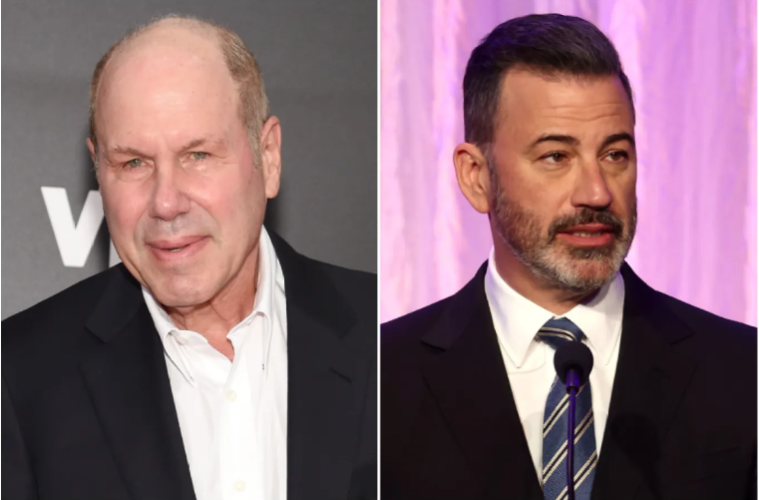
Former media executive criticizes settlements tied to Jimmy Kimmel
A sharp rebuke from a media veteran
February 20, 2026 – Michael Eisner, the former head of Disney, is speaking out against television networks for paying settlement money to Donald Trump following disputes linked to comments made on Jimmy Kimmel’s show. Eisner argued that such payments set a troubling precedent for creative freedom and editorial independence.
Industry lines crossed.

Image Credit: Getty Images
Why the settlements angered Eisner
Eisner suggested that by agreeing to financial settlements, networks effectively reward political pressure rather than standing behind their talent. He warned that the practice could encourage future legal threats aimed at silencing satire, commentary, or criticism — particularly in late-night television.
Free speech questioned.
:max_bytes(150000):strip_icc()/Jimmy-Kimmel-return-ABC-092325-1-e26e9b311a40492fa84d82c077108131.jpg)
Image Credit: Disney/Randy Holmes
The Jimmy Kimmel connection
The controversy stems from remarks made on Kimmel’s show that drew legal pushback from Trump, ultimately resulting in settlements rather than prolonged court battles. Eisner implied that capitulating to avoid conflict undermines the role of comedy and commentary in democratic discourse.
Comedy under fire.
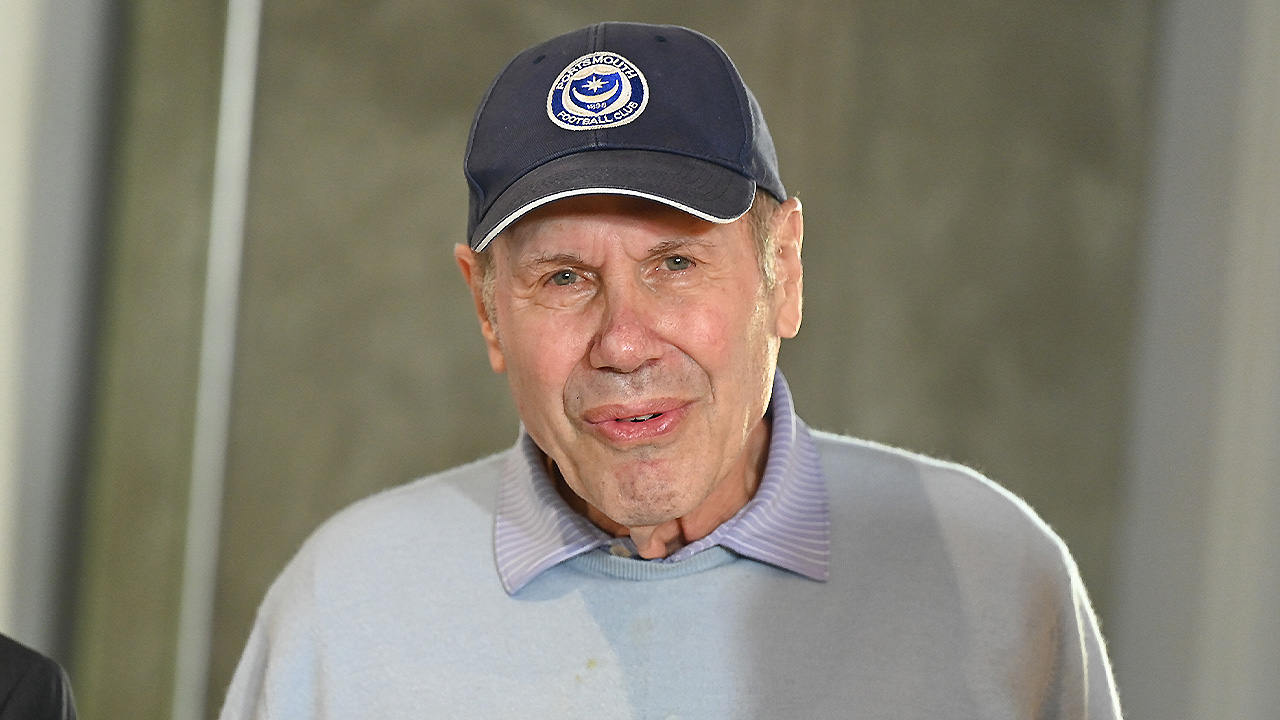
Image Credit: Getty Images
Broader media implications
Media analysts note that Eisner’s criticism reflects wider unease in the entertainment industry about corporate caution overtaking creative courage. As political polarization intensifies, networks face growing pressure to balance legal risk with the responsibility to support expression.
Corporate fear grows.

Image Credit: FilmMagic
Final thoughts
Eisner’s comments serve as a warning from someone who once steered a major media empire: paying to make controversy disappear may cost networks far more in credibility than any lawsuit ever could.
FAQs
Q1: Who criticized the networks?
Michael Eisner, former CEO of Disney.
Q2: What are the settlements about?
Payments made to Donald Trump following disputes tied to Jimmy Kimmel’s show.
Q3: Why does Eisner oppose them?
He believes they undermine free expression and creative independence.
Q4: Did Eisner single out specific networks?
He spoke broadly about network behavior rather than naming one outlet.
Q5: Why is this significant now?
It highlights growing tension between political pressure and media freedom.
Published by HOLR Magazine