


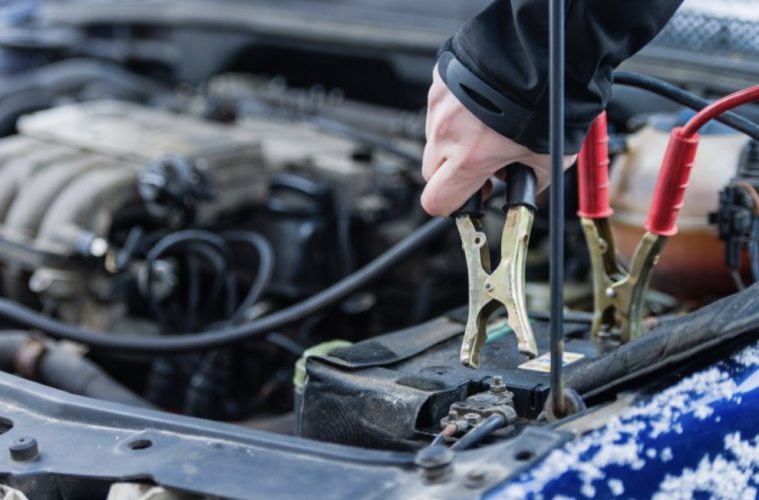
This winter, many states have been hit by severe weather and cold. The desire to quickly start the engine and get somewhere warm is understandable, but this is where many people make mistakes. When cars have become complex electronic systems, a small mistake can turn into a budget disaster.
Indy Auto Man used car dealership‘s technicians remind that a cold battery barely accepts a charge. Even a new battery can completely discharge after just a few short trips. The situation isn’t even complicated by the cold itself but by the physics of the processes inside the battery. In freezing temperatures, the electrolyte becomes viscous, and chemical reactions slow down. This means a cold battery has difficulty delivering energy to the starter and receiving it from the alternator. Chronic undercharging, not just a single night in extreme cold, is the main enemy of a battery in winter. So, let’s figure out what to do.
What Absolutely Never Do
When your car doesn’t respond to the key, it’s easy to panic and make fatal mistakes. Here are some steps to help ensure a guaranteed repair.
Turn the starter repeatedly and endlessly. If the engine doesn’t start after 2 or 3 short attempts (3-5 seconds), further attempts will drain the battery. The battery is under extreme stress; its plates are rapidly sulfated, making subsequent charging almost useless. In addition to the battery, the starter also suffers – it overheats, and the electronic control units detect voltage fluctuations. Signs of a deep discharge can also include the absence of a dashboard indicator when turning the key and a malfunctioning central locking system.
Let It Warm Up
If time permits, the safest and most effective method is to remove the battery and place it in a warm location. However, a key point many people overlook is that a deeply discharged battery should not be charged immediately. It must be allowed to warm up to room temperature for 2-3 hours. Charging a frozen battery accelerates sulfation, irreversibly reducing its lifespan. Once fully warmed, connect the battery to a charger. This is the only way to give it a chance to fully charge without damaging the plates. But there are many nuances in dealing with dead car batteries and ways to resurrect them.
Use Battery Boosters
For vehicles equipped with AGM or EFB batteries and a complex on-board electrical system (almost all crossovers, SUVs, and premium cars), jump-starting is best avoided. The optimal tool for these vehicles is a portable battery booster. However, it’s important to choose models with a starting current of at least 600-800 A and reverse polarity protection. A good battery booster may cost between $60 and $150, but it will pay for itself, saving you time and money, as well as expensive electronics. Buying a weak device often leads to disappointment – it simply won’t turn the starter. And most importantly, you should monitor its charging status. Prevention is cheaper than a cure.
Simple Winter Habit to Save Battery
The root of the winter battery drain problem often lies not in freezing temperatures, but in chronic undercharging. Short city trips, headlights, heaters, windows, and seats in traffic jams consume more energy than the alternator can replenish during the trip.
To break this vicious cycle, experts recommend taking a 40-60 minute drive on a country road at least once a month. At revs above 2,500 rpm, the alternator reaches full power and recharges the battery well. This simple habit is the best insurance against sudden battery failure and unnecessary expenses.
Published by HOLR Magazine.