



The Friends star questions whether modern comedy has lost its edge
Lisa Kudrow Critiques Today’s Sitcom Landscape
April 06, 2026 – Lisa Kudrow is sparking conversation about the state of modern television comedy, suggesting that today’s sitcoms have become overly cautious. In a recent interview, the Friends star said she believes newer shows are “too afraid” to take risks with humor—especially when it comes to jokes that might make audiences uncomfortable.
Kudrow’s comments come as she reflects on her decades-long career in comedy, from her breakout role on Friends to her more recent work on The Comeback. Her perspective carries weight, given her experience in both traditional multi-camera sitcoms and more experimental formats.

Image Credit: Getty Images
“I’m Not Buying It”: A Strong Statement
Kudrow didn’t hold back in her critique, openly stating that she isn’t convinced by many of today’s multi-camera sitcoms. She explained that while earlier shows embraced bold, sometimes surprising humor, newer ones seem hesitant to push boundaries.
She emphasized that comedy thrives on unpredictability and discomfort, noting that some of the best jokes are the ones that make audiences think, “I can’t believe they just said that.”
According to Kudrow, this reluctance to take risks may be limiting the evolution of sitcoms rather than helping them grow.
Comparing Past and Present Comedy
Kudrow pointed to iconic sitcoms like Seinfeld, 30 Rock, and Friends as examples of shows that successfully balanced humor with boldness. These series often tackled awkward or controversial topics, using sharp writing and timing to turn discomfort into comedy.
In contrast, she feels that many modern sitcoms—particularly those filmed in front of live audiences—lack that same edge. The result, in her view, is a safer but less impactful comedic experience.
This comparison taps into a broader debate about whether comedy has evolved or become restricted in response to changing cultural sensitivities.

Image Credit: Gilbert Flores/PMC
The Role of Audience Sensitivity
One of the key factors influencing modern comedy is audience awareness. Today’s viewers are more vocal and socially conscious, often holding creators accountable for jokes that may be perceived as offensive or outdated.
Kudrow’s comments suggest that this shift may have led to a more cautious approach in writers’ rooms. While this can promote inclusivity and respect, it may also discourage risk-taking—an essential element of comedy.
The balance between being thoughtful and being fearless remains a central challenge for contemporary sitcom creators.
Multi-Camera vs. Single-Camera Evolution
Kudrow also touched on the structural differences in sitcom formats. Traditional multi-camera shows, like Friends, rely heavily on live audience reactions and punchline-driven humor. In contrast, many modern comedies use a single-camera format, which often leans toward subtlety and realism.
She admitted that her own viewing habits may influence her perspective, noting that she has seen many single-camera shows that approach comedy differently. However, she still believes there is value in the classic format—if it is executed with bold, confident writing.
This distinction highlights how not just content, but format, has shaped the evolution of television comedy.
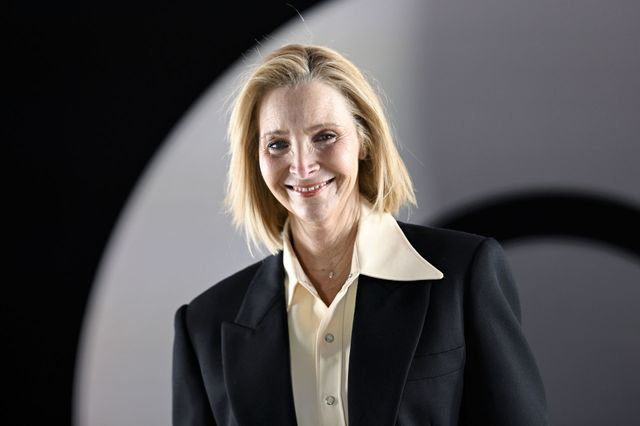
Image Credit: Getty Images
Comedy’s Core: Surprise and Risk
At the heart of Kudrow’s argument is the idea that comedy requires surprise. Without the element of risk—whether emotional, social, or cultural—jokes can feel predictable and less impactful.
Her remarks reinforce a long-standing principle in comedy: pushing boundaries often leads to the most memorable moments. However, what those boundaries are—and how far they can be pushed—continues to shift with time.
Kudrow’s perspective invites a reevaluation of what audiences truly want from sitcoms today.
Industry-Wide Implications
Kudrow’s comments arrive at a time when the television industry is already undergoing significant change. With the rise of streaming platforms, global audiences, and evolving cultural norms, creators are navigating a more complex landscape than ever before.
Her critique may resonate with writers and producers who feel constrained by these pressures, as well as with audiences who miss the edgier humor of earlier eras.
At the same time, it also raises important questions about responsibility in entertainment—particularly in a world where content reaches wider and more diverse audiences.

Image Credit: Getty Images
Final Thoughts
Lisa Kudrow’s assertion that modern sitcoms are “too afraid” to make audiences uncomfortable has reignited a longstanding debate about comedy’s purpose and limits. While her perspective reflects a nostalgia for riskier humor, it also highlights the challenges of creating comedy in a more socially aware era.
As the industry continues to evolve, the question remains: can sitcoms strike a balance between boldness and sensitivity? For Kudrow, the answer lies in rediscovering the courage to take comedic risks—without losing the essence of what makes audiences laugh.
FAQs
Q1: What did Lisa Kudrow say about modern sitcoms?
She said they are “too afraid” to make jokes that might make audiences uncomfortable and that she’s “not buying” many of them.
Q2: Why does she think sitcoms have changed?
She suggests that increased caution around audience sensitivity has made writers less willing to take risks.
Q3: Which shows did she praise?
She highlighted classics like Seinfeld, 30 Rock, and Friends as examples of bold, well-written comedy.
Q4: What is her main concern about comedy today?
That it lacks the عنصر of surprise and risk, which are essential for impactful humor.
Q5: Does she reject modern sitcoms entirely?
No, but she feels many are less engaging due to their cautious approach.
Published by HOLR Magazine