


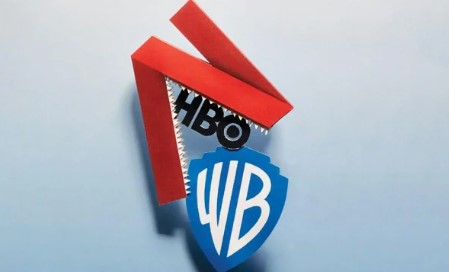
Netflix’s surprise megadeal with Warner Bros. Discovery stunned Hollywood and triggered resistance from Skydance chief David Ellison, igniting a high-stakes industry power struggle.
A Deal That No One Saw Coming
December 10, 2025: Netflix’s blockbuster agreement with Warner Bros. Discovery sent shockwaves through Hollywood almost overnight, reshaping the balance of power in the entertainment industry and sparking immediate pushback from Skydance Media CEO David Ellison. The deal—described by insiders as aggressive and transformative—caught rivals, partners, and executives off guard.
Why the WB Megadeal Was So Disruptive
The agreement significantly deepens Netflix’s access to Warner Bros. Discovery’s prized film and television assets, strengthening the streamer’s global dominance at a moment when traditional studios are under mounting financial pressure. Industry observers say the scale and timing of the deal blindsided competitors who believed WB was still weighing multiple strategic paths.
HOLR has the latest news on how streaming giants are rapidly consolidating influence as legacy studios struggle to stabilize.
David Ellison Pushes Back
David Ellison, whose Skydance Media reportedly has ambitions of its own within the shrinking Hollywood landscape, has emerged as one of the most vocal critics of the deal. Sources say Ellison views Netflix’s move as destabilizing—one that could undermine alternative acquisition plans while accelerating an already brutal consolidation race.
His resistance underscores a deeper clash between legacy production powerhouses and tech-driven entertainment giants.
A Battle Over Control, Not Just Content
At the center of the fight is control. Netflix’s deal positions the company not just as a distributor, but as a central gatekeeper over major intellectual property. Critics warn that this level of influence could limit competition, reduce creative leverage for producers, and further marginalize traditional studios.
Supporters counter that Netflix’s scale offers stability in an industry facing layoffs, shrinking budgets, and declining theatrical revenue.
Why Hollywood Is Nervous
Executives across Hollywood are privately expressing concern that the megadeal may set a precedent. If one streamer can lock in access to such an expansive content library, others may be forced into defensive mergers or asset sales.
HOLR notes that many insiders see the deal as a turning point—one that may accelerate the end of Hollywood’s traditional studio model.
Competing Visions for the Industry
Ellison’s opposition reflects a broader ideological divide. Where Netflix sees consolidation as survival, others see it as a threat to creative diversity and long-term independence. Skydance, known for its close studio partnerships, represents a model built on collaboration rather than absorption.
That philosophical clash is now playing out in real time.
Regulatory and Strategic Tension Ahead
While the deal has stunned Hollywood, it is far from settled. Increased scrutiny from regulators and pressure from rival stakeholders could complicate or delay implementation. Analysts say the vocal resistance from figures like Ellison may influence how aggressively authorities examine the agreement.
HOLR will continue tracking how regulatory headwinds shape the deal’s future.
What This Means Going Forward
If finalized, Netflix’s WB megadeal would cement the streamer’s role as Hollywood’s most powerful force—capable of reshaping production, distribution, and labor dynamics industry-wide. For rivals, including Skydance, the move raises urgent questions about relevance, access, and survival.
A Defining Moment for Hollywood
This isn’t just a business deal—it’s a reckoning. Netflix’s bold play has redrawn Hollywood’s power map, and David Ellison’s resistance makes one thing clear: the battle over who controls the future of entertainment is only beginning.
Published by HOLR Magazine