


Why Your Dog Panics When You Leave — And How to Help
Separation anxiety in dogs is a behavioral condition that causes emotional distress when a dog is left alone or separated from their owner.
It can appear suddenly or develop over time, and while it’s common, it’s often misunderstood. Veterinarians say early recognition is key, as untreated separation anxiety can worsen and lead to destructive behaviors, health issues, and long-term stress for both dogs and owners.
What Is Separation Anxiety in Dogs?
Separation anxiety in dogs occurs when a dog becomes extremely distressed during periods of isolation or absence from their primary caregiver. Unlike boredom or mild nervousness, separation anxiety triggers panic-driven behaviors such as vocalization, destruction, and escape attempts. It is a genuine emotional response, not disobedience.
What Are the Signs of Separation Anxiety in Dogs?
Common signs of separation anxiety in dogs include excessive barking or howling when left alone, destructive behavior near exits, pacing, trembling, drooling, and house soiling despite proper training. Some dogs also refuse to eat or become unusually clingy when their owner is present.
@taylorcezanne With the right information and training, you can totally fix your dog’s separation anxiety! Let me know if this helps or what I can expands on more, your feedback truly matters to me! #separationanxietytraining #doglovers #puppytiktok #howtotrainmypuppy #cratetraining #easydogtraining ♬ original sound – Taylor Cezanne 🐶
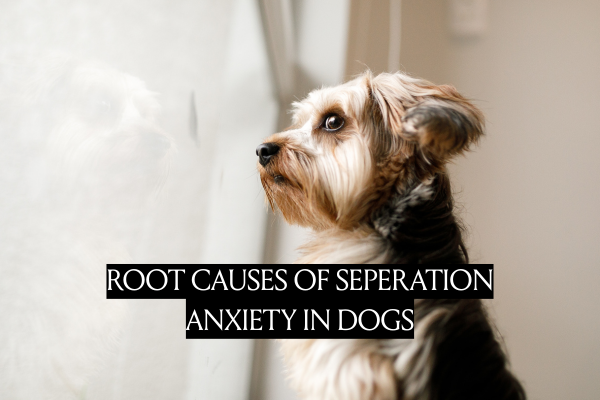
What Causes Separation Anxiety in Dogs?
Separation anxiety in dogs is often caused by sudden changes in routine, environment, or household structure. Common triggers include moving homes, a change in work schedule, adoption history, loss of a companion, or extended periods of constant togetherness followed by separation. Dogs are highly sensitive to changes in emotional and physical stability.
Can Separation Anxiety in Dogs Start Suddenly?
Yes, separation anxiety can start suddenly in dogs, even if they previously tolerated being alone. Life changes such as returning to the office, travel, illness, or emotional stress in the household can trigger anxiety quickly. Older dogs and recently adopted dogs may be especially vulnerable to sudden onset.
How Long Does Separation Anxiety Last in Dogs?
Separation anxiety can last weeks or months depending on severity and treatment. Mild cases often improve with routine changes and training, while more severe cases may require professional behavior modification and veterinary support. Early intervention significantly shortens recovery time.
How Do You Help a Dog With Separation Anxiety?
Helping a dog with separation anxiety involves gradual desensitization, predictable routines, and emotional reassurance. Short practice absences, mental stimulation, and calm departures help build confidence. Punishment should never be used, as it increases fear and anxiety.
Should You Ignore a Dog With Separation Anxiety?
No, ignoring a dog with separation anxiety can worsen symptoms. While dramatic greetings and departures should be avoided, emotional needs should still be met through structured attention, training, and reassurance. The goal is to build independence, not emotional withdrawal.
Are There Treatments or Medications for Separation Anxiety in Dogs?
Yes, treatment options include behavior training, environmental enrichment, and in some cases medication prescribed by a veterinarian. Drugs such as fluoxetine or clomipramine may be used alongside training for moderate to severe cases. Medication is most effective when combined with behavioral therapy.
When Should You See a Vet for Separation Anxiety?
You should consult a veterinarian if your dog’s anxiety leads to self-injury, extreme destruction, refusal to eat, or persistent distress. A vet can rule out medical causes and help determine whether professional training or medication is necessary.
Can Separation Anxiety Be Prevented in Dogs?
While not all cases are preventable, separation anxiety risk can be reduced by teaching independence early, avoiding constant attachment, and gradually exposing dogs to alone time. Consistent routines and mental stimulation also play a key role in prevention.
Why Separation Anxiety in Dogs Is Being Talked About More
Increased awareness through social media has helped normalize conversations about dog mental health. Veterinarians say this visibility is positive, as it encourages owners to recognize symptoms earlier and seek appropriate support rather than dismissing behaviors as “bad habits.”
Separation anxiety in dogs is common, treatable, and deeply rooted in emotional attachment. With patience, structure, and early intervention, most dogs recover fully and learn to feel safe when alone. Understanding the signs is the first step toward helping your dog live a calmer, healthier life.