


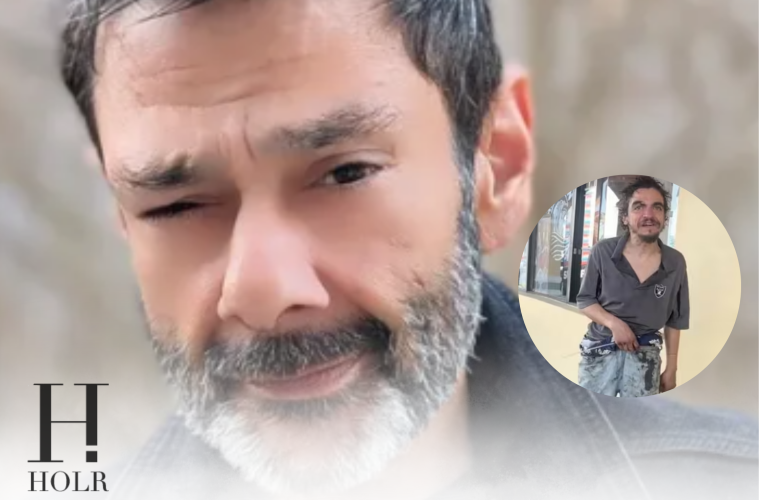
The former child star’s friend raises alarms — and questions what real recovery looks like
A Troubling Update
December 29, 2025 — Actor Shaun Weiss, best known for his role in The Mighty Ducks, says fellow former child star Tylor Chase is back on the streets — and his comments have resurfaced difficult conversations about addiction, relapse, and how quickly Hollywood forgets people once the spotlight fades. Weiss’ remarks weren’t sensational. They sounded worried — and painfully familiar.

Image Credit: Yahoo
When Concern Comes From Someone Who’s Been There
Weiss has walked this road before. His own battle with addiction and homelessness was widely publicized — and his eventual recovery drew praise and relief from fans. Hearing him describe Chase’s situation adds emotional weight. It feels less like gossip — more like a warning from someone who understands what “falling through the cracks” really looks like.
He suggested Chase may be struggling to stay connected to support systems, and that the cycle of sobriety, pressure, and relapse can be brutal — especially when fame once defined you and quietly disappeared.

Image Credit: hindustantimes
A System Built to Celebrate — Not Sustain
The conversation hits a nerve because it’s bigger than one actor. Former child stars often leave structured studio environments and enter adulthood without the tools or mental-health support they need. Once the work slows, so does the safety net.
Critics argue Hollywood applauds redemption stories — but rarely invests in long-term care. Supporters counter that responsibility ultimately lies with the individual. The truth likely lives between both extremes: recovery requires resources and resilience.
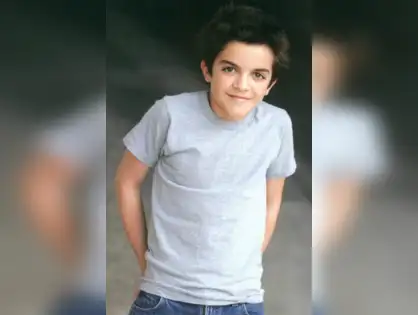
Image Credit: The Economic Times
Why Fans Reacted So Strongly
Social media erupted with sadness and frustration. Some fans demanded that studios and networks create permanent wellness programs for former child actors. Others asked where friends, family, and industry mentors are when relapse signs appear.
A few voices — more cynical — accused the system of caring only when there’s press attention. The emotional divide highlights how invested people still feel in the kids they grew up watching — long after the credits rolled.
The Visual Reality — And Why It Hits Hard
Images associated with relapse stories tend to spread quickly: street photos, mugshots, candid clips. Viewers zoom in, compare timelines, and search past interviews — trying to understand how someone who once seemed invincible could struggle this deeply.
It’s uncomfortable, confronting — and humanizing. Seeing decline, rather than reading about it, forces audiences to confront addiction as illness, not entertainment.
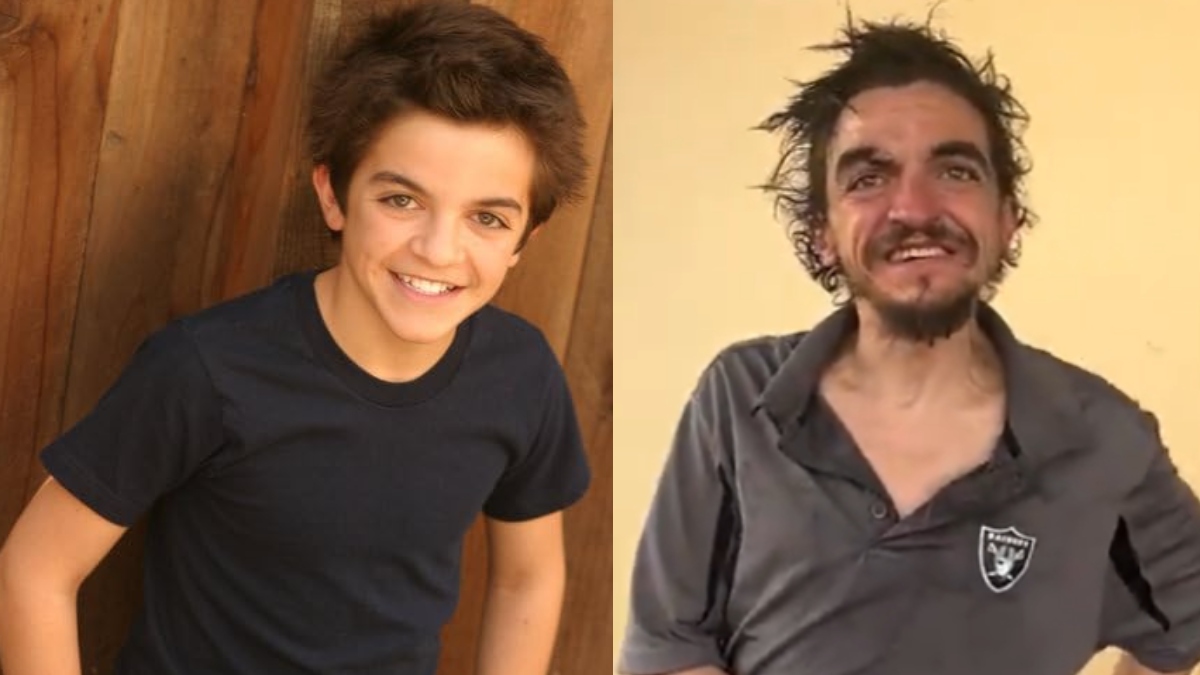
Image Credit: India TV News
What Shaun Weiss Is Really Pointing To
More than judgment, Weiss’ message sounds like a plea: intervention matters early — and stability requires community. He credits his own turnaround to structured care, consistency, and people refusing to give up on him.
If Chase truly is back on the streets, the question becomes: who steps in — and when? Waiting until tragedy hits is the pattern everyone claims to hate, yet the one that keeps repeating.
The Bigger Picture
Celebrity or not, relapse is part of many recovery journeys. It doesn’t erase progress — but it can be dangerous without support. Weiss’ update feels like a call to stop romanticizing “comeback arcs” and start prioritizing sustained care, access to treatment, and compassion without enabling.
The story isn’t over — and the hope, for many fans, is that Tylor Chase gets the same second chance Weiss fought for
Published by HOLR Magazine