


Shia LaBeouf’s Rome Video: Why This Viral Clip Is Bigger Than It Looks
March 22, 2026
Shia LaBeouf
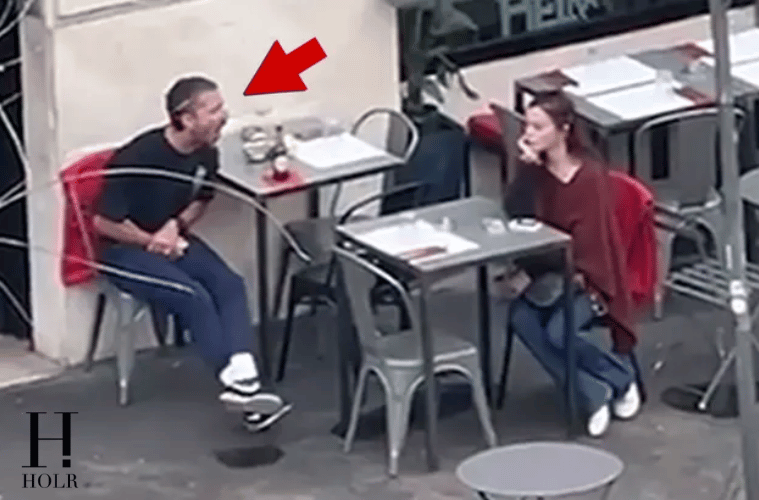
A short video showing Shia LaBeouf in what appears to be an intense moment outside a restaurant in Rome has quickly circulated across social media, sparking widespread discussion. But beyond the clip itself, this moment highlights a deeper issue shaping modern entertainment coverage: how viral fragments, rather than full stories, are increasingly defining public narratives.
😳 Shia LaBeouf seemingly lost his cool while in Rome … appearing agitated with a woman sitting next to him outside a restaurant. pic.twitter.com/HqkCGMAwNO
— TMZ (@TMZ) March 21, 2026
At first glance, the footage seems straightforward—LaBeouf is seated, engaged in what looks like a serious or emotional conversation. His gestures appear animated, prompting viewers to interpret the situation as tense or confrontational. However, the clip provides no clear beginning, no full dialogue, and no confirmed outcome. This lack of context is exactly what has fueled its rapid spread.
What We Can Confirm—and What We Cannot
The most responsible way to approach this moment is by separating observable facts from assumptions.
What is visible:
- Shia LaBeouf is seated outdoors at what appears to be a restaurant setting
- He is engaged in a conversation with another individual
- His body language appears expressive and emotionally charged
What remains unverified:
- The subject of the conversation
- Whether the interaction was confrontational
- What occurred before or after the clip
As of now, there are no widely confirmed reports from major outlets detailing this specific incident. That places this moment firmly in the category of unverified viral content, rather than confirmed celebrity news.
Why This Clip Is Dominating Search Trends
Despite the lack of confirmed details, the video is gaining traction across search platforms. Queries related to “Shia LaBeouf Rome video” and “what happened in the viral clip” are rising because the content creates a gap between what is seen and what is understood.
This gap drives behavior. Viewers:
- Watch the clip
- Form an initial impression
- Then search for clarification
In 2026, this pattern is one of the most powerful drivers of online traffic. Content that raises questions often performs better than content that provides immediate answers.
The Power—and Problem—of Partial Narratives
Viral clips like this operate on what can be called partial storytelling. A single moment is extracted from a larger situation and presented without full context, leaving audiences to fill in the blanks.

Instagram/_shialabeouf
This creates two key effects:
- Amplification of Emotion
Without context, viewers rely on visual cues—tone, gestures, facial expressions—to interpret meaning. This often leads to heightened or exaggerated conclusions. - Acceleration of Assumptions
Social media rewards quick reactions. As a result, interpretations spread faster than verified information.
In the case of Shia LaBeouf, this effect is even more pronounced due to his public image.
How Public Perception Shapes the Narrative
Shia LaBeouf has long been a polarizing figure, known for both acclaimed performances and widely discussed personal moments. This history influences how audiences interpret new footage involving him.
When viewers encounter a clip like this, they do not approach it in isolation. Instead, they filter it through:
- Past headlines
- Existing opinions
- Cultural narratives surrounding the individual
This means the same clip could be interpreted very differently if it featured another celebrity with a different public image.
Social Media’s Role in Reframing Reality
The Rome video is a clear example of how platforms like TikTok and Instagram are reshaping how events are consumed.
In traditional media:
- Events were reported after verification
- Context was prioritized
- Narratives developed over time
In today’s environment:
- Clips are shared instantly
- Context is often missing
- Narratives form in real time
This shift places greater responsibility on both creators and consumers to distinguish between what is known and what is assumed.
Why This Matters for Entertainment Media
For platforms like HOLR Magazines, moments like this present both an opportunity and a challenge.
The opportunity:
- High search demand
- Strong audience interest
- Timely, relevant content
The challenge:
- Maintaining accuracy without full information
- Avoiding misleading conclusions
- Providing value beyond what is already circulating
The key lies in adding context, not just repeating the clip. Articles that explain the dynamics behind viral moments are more likely to build long-term credibility and perform well in search rankings.
A Shift Toward “Context-Driven” Content
The growing popularity of these moments signals a shift in what audiences expect. It is no longer enough to simply report that something happened—readers want to understand how and why it is being interpreted the way it is.
This creates space for a new type of content:
- Analysis-driven
- Context-focused
- Fact-aware without speculation
In this case, the value is not in confirming an incident that hasn’t been verified, but in explaining why the clip is spreading and how it is being perceived.
Final Take
The viral video of Shia LaBeouf in Rome is less about the specific moment captured and more about what it represents.

Instagram/_shialabeouf
It shows how quickly narratives can form from incomplete information, how public perception influences interpretation, and how digital platforms amplify uncertainty into widespread discussion.
Until more verified details emerge, the most accurate conclusion remains simple: the clip shows a moment, but not the full story.
In a media landscape driven by speed and visibility, understanding that distinction is more important than ever.
FAQs
Q1: What does the Shia LaBeouf Rome video show?
It shows him in an animated conversation outside a restaurant, but without full context.
Q2: Has the incident been confirmed by major sources?
No, there are no widely verified reports confirming the details of the situation.
Q3: Why is the video trending?
Because it creates curiosity and speculation, leading people to search for more information.
Q4: Where did this take place?
The video appears to be filmed outside a restaurant in Rome, Italy.
Published by HOLR Magazine