


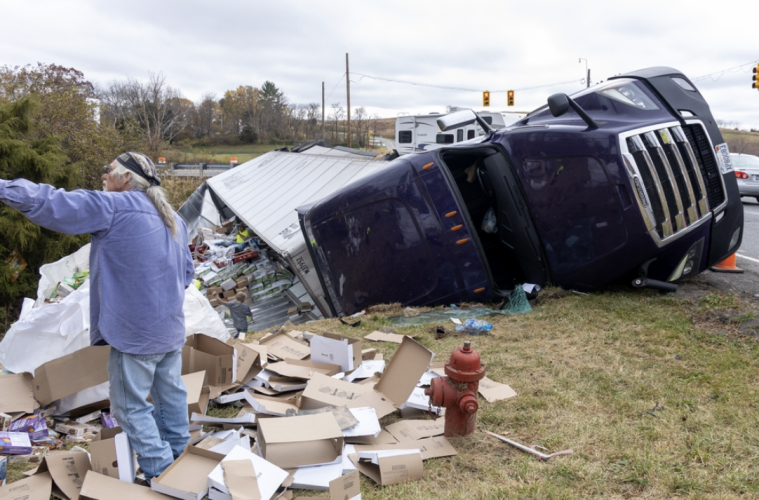
A commercial truck accident does not end on the highway. The crash may last a few seconds, but the real fight begins long after the vehicles are cleared and the road is open again. What looks like a simple traffic collision often turns into a layered legal conflict involving companies, insurers, and strict federal rules.
At the center of it all is the struggle for fair compensation for truck accident victims, which is rarely handed over without resistance. What follows is not just paperwork. It is a serious legal contest that many people never see coming.
Commercial Truck Accidents Are Not Like Regular Road Crashes
Commercial trucks are heavy machines built for long hauls and tight schedules. Their size alone makes any collision more destructive. Injuries are often severe, medical treatment is expensive, and recovery can take a long time. Because the damage is greater, the financial value of these claims is also higher.
Higher claims mean stronger defense from insurance companies. A truck accident may involve a large commercial policy with high limits. Insurance carriers know that large payouts affect their bottom line, so they respond quickly and carefully. The legal tone changes because more money is at stake and more people are involved behind the scenes.
Identifying Who Is Actually Responsible
Liability in a truck accident is rarely simple. The driver may appear to be the only person at fault, but the full picture often reveals something deeper.
The Truck Driver
Drivers are expected to follow traffic laws and federal safety rules. Fatigue is a common issue because long hours on the road can affect focus and reaction time. Distracted driving, speeding, or driving under pressure to meet delivery deadlines can all play a role. If the driver violated safety rules, that becomes part of the legal case.
The Trucking Company
The company that owns the truck may also share responsibility. It may have failed to train the driver properly or ignored past safety violations. Some companies push unrealistic schedules that encourage drivers to stay on the road longer than allowed. Poor vehicle maintenance is another common problem. If brakes, tires, or other parts were not inspected regularly, the company can be held accountable.
Other Possible Parties
Responsibility can extend beyond the driver and the trucking company. Maintenance contractors who serviced the vehicle, cargo loading companies that improperly secured freight, or even manufacturers of defective parts may be involved. Each added party makes the case more complex and requires careful investigation.
Federal Regulations That Change the Game
Commercial trucking is regulated at the federal level. These rules are detailed and strict because large trucks pose greater risks on public roads. Drivers must follow hours of service limits that control how long they can drive without rest. Vehicles must be inspected regularly and kept in a safe condition. Accurate logbooks and electronic records must be maintained.
If these regulations are violated, it can strengthen a legal claim. However, proving a violation is not simple. Records must be reviewed, data must be analyzed, and patterns of conduct must be examined. This is where knowledge of trucking law becomes essential. Without understanding these rules, important evidence can be overlooked.
The Fight Over Critical Evidence
In truck accident cases, evidence becomes the center of the legal battle. Key information may exist in several forms:
- An electronic logging device tracks driving hours.
- Black box data that records speed and braking.
- Driver logbooks and inspection reports.
- Maintenance and repair records.
- Internal company communications.
This evidence does not always stay available forever. Companies may move quickly to protect their interests. That is why early action matters. Preserving documents and electronic data can make the difference between a strong claim and a weakened one.
Insurance Companies and Corporate Defense Strategies
Commercial insurance carriers are experienced in handling large claims. They often send investigators to the crash scene within hours. Statements may be requested quickly, and early settlement offers may be made before the full extent of injuries is clear. These offers can appear reasonable at first glance, but may not reflect long-term medical needs or lost earning capacity.
Insurance teams may attempt to shift blame to the injured driver or argue that injuries were not as serious as claimed. They may question medical treatment or suggest that other factors caused the crash. This is not personal. It is a strategy to reduce financial exposure.
The Bottom Line
The visible damage of a truck accident is only part of the story. Behind every collision is a structured legal process that demands investigation, knowledge of federal regulations, and strong negotiation. Identifying all responsible parties, securing evidence, and countering insurance defense strategies requires steady focus and legal skill.
Fair compensation for truck accident victims does not happen automatically. It is often the result of careful preparation and firm representation against powerful corporate interests. The legal battle may be hidden from public view, but it shapes the outcome of every serious commercial truck accident claim.
Published by HOLR Magazine.