


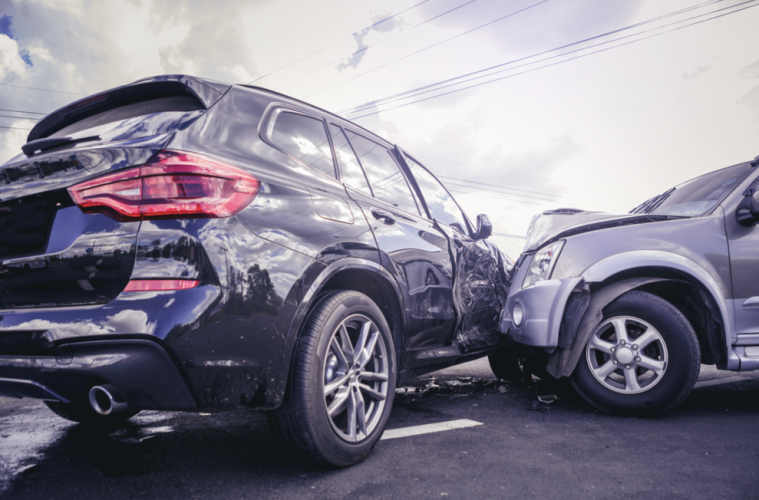
Roads carry thousands of moving stories every single day, yet one careless action can turn an ordinary drive into a serious legal situation. A car accident rarely happens without a reason. Behind most crashes, there is a mistake, a poor decision, or sometimes a failure that no driver could predict.
These situations often leave people dealing with medical bills, repairs, and the stress of figuring out responsibility. Questions about liability become unavoidable, especially while seeking damages after a car collision that has disrupted normal life.
A closer look at the most common causes of accidents helps reveal who may legally be held responsible.
Distracted Driving
Attention is the most important tool a driver has. Once that attention moves away from the road, the risk of an accident rises sharply. Distracted driving has become one of the leading reasons behind car accidents across the country. Mobile phones are often the main cause, yet distractions also include adjusting the radio, eating, talking with passengers, or even checking navigation systems for directions.
A driver only needs a few seconds of distraction to miss a sudden stop ahead or fail to notice a car changing lanes. During that short moment, traffic conditions can change quickly and create a crash that could have been avoided.
Liability in these situations is usually straightforward. The distracted driver is generally considered responsible because their lack of attention caused the collision. Evidence such as phone records, traffic cameras, and witness statements often help prove that distraction played a role.
There are also situations where responsibility may extend further. If the driver was using a phone for work-related duties, the employer could sometimes share liability depending on the circumstances. Legal investigations often focus on these details to determine who must answer for the consequences of the accident.
Speeding and Reckless Driving
Speed changes the way accidents happen and how severe they become. Driving faster than the speed limit reduces the time available to react to sudden changes on the road. A vehicle moving at high speed requires a longer distance to stop, and this delay can easily turn a minor mistake into a serious crash.
Reckless driving includes several dangerous behaviors that go beyond speeding. These actions often include aggressive lane changes, tailgating, ignoring traffic signals, or weaving through traffic without regard for other drivers. Such behavior creates unpredictable situations where accidents become far more likely.
Determining liability in reckless driving cases usually focuses on the driver who broke traffic laws or behaved dangerously. Police reports often document speeding violations or reckless behavior, which becomes strong evidence during a legal claim.
However, some accidents involve more than one careless driver. A speeding driver might collide with another vehicle that suddenly changes lanes without signaling. In these cases, responsibility may be shared between multiple parties, and investigators carefully review the details before assigning fault.
Driving Under the Influence
Alcohol and drugs affect the human body in ways that make safe driving nearly impossible. Reaction time slows down, judgment becomes weaker, and coordination begins to fail. These effects can lead drivers to make dangerous decisions that they would normally avoid.
Impaired drivers often struggle to maintain their lane, misjudge distances, or fail to notice traffic signals. These mistakes frequently result in severe accidents because the driver has very little control over the situation.
Liability in these cases almost always falls on the impaired driver. Law enforcement officers usually conduct tests to measure alcohol or drug levels, and those results can serve as powerful evidence during legal proceedings.
In certain situations, responsibility may extend beyond the driver. Some states allow claims against establishments that served alcohol to a visibly intoxicated person who later caused an accident. Laws vary depending on the location, yet these rules exist to encourage responsible alcohol service and reduce the risk of dangerous driving behavior.
Poor Road or Weather Conditions
Not every accident is caused by driver behavior alone. Sometimes the road itself creates hazardous conditions that make driving difficult or even unsafe.
Examples of these conditions include icy surfaces, heavy rain, potholes, missing road signs, or poorly marked construction zones. These hazards can cause vehicles to lose control or force drivers into sudden maneuvers that lead to collisions.
Liability in these situations depends on the specific cause of the hazard. Government agencies responsible for road maintenance may face claims if dangerous conditions existed for a long time without repair. Construction companies can also be held responsible if unsafe work zones contributed to the accident.
Drivers still carry a level of responsibility as well. Traffic laws require drivers to adjust their speed and behavior according to weather and road conditions. If a driver continues to drive aggressively on icy roads, they may still be considered partly responsible for the crash.
Vehicle Defects and Mechanical Failures
Mechanical problems can turn a safe vehicle into a dangerous one within seconds. A sudden brake failure, tire blowout, or steering malfunction may cause a driver to lose control without warning.
Vehicle defects sometimes originate during the manufacturing process. Faulty airbags, defective brakes, or weak structural components can place drivers and passengers at serious risk during everyday driving.
Mechanical issues may also appear after poor maintenance or careless repair work. A mechanic who fails to properly install brakes or tires may unknowingly create a dangerous situation for the driver.
Liability in these cases depends on the source of the failure. Vehicle manufacturers, parts suppliers, and repair shops may all face responsibility if their actions contributed to the malfunction. Legal claims involving product defects often require technical investigation to determine exactly where the problem began.
How Liability Is Determined
Assigning responsibility after a car accident requires careful investigation. Insurance companies and legal professionals rely on several forms of evidence to understand how the crash occurred.
Important evidence often includes:
- Police reports that document the accident scene
- Witness statements describing what happened
- Traffic camera footage or nearby surveillance video
- Vehicle damage patterns that reveal the point of impact
Accident reconstruction experts sometimes analyze these details to recreate the sequence of events. Their findings help determine which actions led to the crash and who should be held accountable.
These investigations often play a major role in deciding financial compensation and responsibility for the losses caused by the accident.
Final Word
Car accidents rarely have a single explanation. Distraction, speeding, impairment, poor road conditions, and mechanical failures can all play a role in creating dangerous situations on the road. Identifying the true cause of the crash helps determine who must accept legal responsibility and who may need to compensate victims for their losses.
Legal claims often focus on proving negligence and establishing the right to recover damages after a car collision that caused financial and physical harm. A clear understanding of these common causes helps accident victims recognize their rights and better understand how liability may be determined in complex situations.
Published by HOLR Magazine.