



You already know the basics of a solid skincare routine — cleanse, tone, moisturise, protect. But if you’ve been scrolling through beauty content lately, there’s one step that keeps appearing at the top of everyone’s flatlay: the facial steamer. It looks like something straight out of a spa treatment room, and honestly, the results can feel just as luxurious. The catch? Steaming is one of those treatments where doing more doesn’t mean getting more. The right schedule — one built around your specific skin type — is what separates a genuinely effective routine from one that quietly works against you. Here’s exactly how to time it.
Quick Summary
Most skin types do best with facial steaming once or twice a week for 5–10 minutes per session. Dry and sensitive skin should stay at the lower end or avoid steaming altogether. Rosacea and eczema are contraindications — skip steam entirely. Always follow with a moisturiser to lock in hydration.
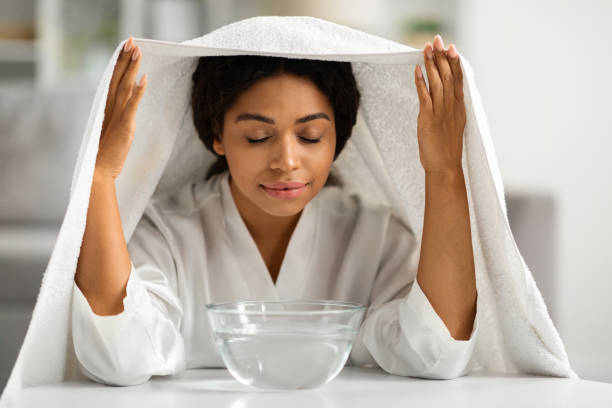
Why “More Steam” Isn’t Always Better
There’s something deeply satisfying about the feeling of warm steam on your face. It’s relaxing, it feels thorough, and in the moment it can seem like the more you do it, the better your skin will look. But steaming works through a thermal mechanism — it warms the skin surface, temporarily softens sebum buildup in your pores, and makes skin more receptive to whatever you apply next. That mechanism has a ceiling.
When you steam too frequently or for too long, you’re not amplifying those benefits — you’re taxing the skin barrier. Overexposure to heat and moisture can strip your skin of its natural oils, disrupt its protective function, and over time lead to redness, dryness, and increased sensitivity. Excessive heat can also worsen redness and visible blood vessels in sensitive or rosacea-prone skin — something worth keeping in mind if your skin flushes easily.
The good news is that finding your personal sweet spot isn’t complicated. It starts with understanding your skin type and matching your schedule to what your skin can actually handle — not what feels like it should work. That’s where so many at-home steaming routines quietly go wrong: the schedule is borrowed from someone with a completely different skin type, and the results never quite add up.
Think of steaming less like a daily habit and more like a weekly treatment — intentional, measured, and always followed by care.
How Often to Steam, by Skin Type
Getting your steaming frequency right is the single biggest factor in whether the treatment works for or against your skin. Here’s what the evidence suggests for each skin type.
Oily and combination skin tends to tolerate steaming the best. Oily skin is typically thicker and more resilient, which means it can handle slightly more frequent sessions without the same risk of irritation. Once to twice a week is the sweet spot for most people in this category — enough to help loosen excess sebum and keep congestion in check, without tipping into overexposure. If you’re combination, focus on what your skin tells you after each session. A little warmth and glow is normal; persistent redness or tightness the following day is a cue to scale back.
Normal skin sits comfortably at once a week. You’re not fighting excess oil or battling dryness, so a weekly session is enough to enjoy the softening and prep benefits without disrupting what’s already well-balanced.
Dry skin requires a more cautious approach. Once a week is the maximum most skin care professionals recommend, and for very dry skin, even that might be too frequent to start. Heat exposure can increase transepidermal water loss afterward if the skin isn’t immediately sealed with a moisturiser — meaning the treatment can leave you drier than before if aftercare is skipped. If your skin frequently feels tight or flaky after sessions, steaming every two weeks may serve you better than a weekly schedule.
Sensitive skin sits in a complicated zone. If your sensitivity is mild and situational, a careful first session — short, lower steam intensity, plenty of distance from the device — can help you gauge how your skin responds. If you experience prolonged redness, stinging, or increased breakouts afterward, steaming isn’t the right treatment for your skin right now.
Rosacea and eczema: skip steam entirely. Heat is a well-documented trigger for rosacea, causing blood vessels to dilate and redness to intensify. For eczema, heat can compromise an already-vulnerable skin barrier and provoke flares. Neither condition is compatible with facial steaming, and no frequency adjustment changes that — if this applies to you, cooler, calming alternatives are a much better fit.
If you’re working out the right rhythm for your skin, it helps to have a clear framework to return to. Viva Aura Glow’s optimal steaming frequency guidelines break down the approach by skin type and condition, including how to adapt your routine seasonally — which matters more than most people realise, especially in winter when indoor heating is already stressing your skin barrier.
Timing It Into Your Existing Routine
Once you’ve settled on your frequency, the next question is where steaming fits in your week. The answer depends on your goals.
If you’re steaming to prep skin before a mask or treatment serum, evening sessions tend to work well — your skin has time to settle, you won’t be applying makeup over a freshly flushed complexion, and the overnight window allows whatever you apply afterward to do its best work.
Morning sessions offer a different kind of payoff. The temporary warmth can give skin a glowing, plumped appearance that lasts a few hours — useful before an event or a day when you want your skin looking its best. Keep morning sessions on the shorter side, around five minutes rather than ten, and allow your skin to calm down fully before applying SPF or foundation.
A few things to keep in mind regardless of timing:
- Always cleanse before you steam — never apply steam to skin that still has makeup on it
- Have your follow-up products ready before you start — a hydrating serum, a moisturiser, or both
- Apply them immediately after your session, not ten minutes later — that post-steam window is when your skin is most receptive
Steamed skin that isn’t sealed with moisture can end up drier than when you started, so don’t skip this step.

How Long Each Session Should Be
Frequency is only half the equation. Duration matters just as much — and it’s the detail most at-home routines get wrong. A longer session doesn’t deliver deeper results; it simply means more heat exposure, and past a certain point, that stops being beneficial and starts working against you.
The general recommendation supported by dermatologists and estheticians is 5–10 minutes per session, with the right end of that range shifting depending on your skin type:
- Oily skin: up to 10 minutes
- Normal skin: 7–10 minutes
- Dry skin: 5–8 minutes
- Sensitive skin: 3–5 minutes, with a cooler setting and extra distance from the device
If you notice your skin feeling tight, hot, or uncomfortable before your timer goes off, stop. That’s your skin signalling it’s had enough — steaming should always feel like a pleasant warmth, never stinging or uncomfortable.
What you do in the first few minutes after steaming matters enormously. Apply your serum or moisturiser while your skin is still slightly warm. This is when skin may be temporarily more permeable and receptive to topical products — waiting even ten minutes can reduce that benefit. Hydrating ingredients like hyaluronic acid and niacinamide work particularly well in this post-steam window.
For a skin-type-specific breakdown of exactly how long to steam, when to stop, and how to adjust your timing across different seasons, Viva Aura Glow’s safe treatment duration guidelines are worth bookmarking as a go-to reference.
Common Mistakes That Undercut Your Results
Even with the right frequency and duration, a few common habits can quietly work against your routine.
Skipping aftercare. Steaming without immediately sealing skin with a moisturiser is one of the most counterproductive things you can do. Heat exposure can increase transepidermal water loss if nothing is applied to lock in hydration — serums or moisturisers applied right after steaming are working under genuinely optimal conditions, so don’t let that window pass.
Using tap water. Many steamer manufacturers recommend distilled water to reduce mineral buildup in the device and lower the risk of skin irritation. Filtered or purified water is the next best option if distilled isn’t available.
Steaming broken or actively inflamed skin. This includes active breakouts, fresh extractions, recent chemical peels, or any open skin. Heat and inflammation are a poor combination, and steaming over compromised skin can increase irritation and prolong healing time.
Holding the steamer too close. Steam should feel like a comfortable warmth — not a burn. A distance of around 20–30 cm from the skin is the standard guidance. If it feels too hot, it is too hot.
Frequently Asked Questions
Q: Can I steam my face every day if I have oily skin?
A: Daily steaming isn’t recommended for any skin type. Even oily skin has its limits — daily heat exposure can strip natural oils, potentially trigger compensatory oil production, and weaken the skin barrier over time. Once or twice a week is the evidence-supported range for oily skin, and your skin will thank you for the restraint.
Q: How do I know if I’m steaming too often?
A: Signs of over-steaming include redness that lingers more than an hour after a session, increased skin sensitivity, persistent dryness or flaking, and new or worsened breakouts. If you notice any of these, reduce your frequency and give your skin at least a week to settle before steaming again.
Q: Is facial steaming safe during pregnancy?
A: Pregnancy is a time when it’s best to check with your healthcare provider before introducing any new heat-based skincare treatments, as individual circumstances vary significantly. When in doubt, sit this one out until you’ve had that conversation.
Q: Can steaming help with blackheads?
A: Steam can help soften the sebum and buildup that sits in pores, which may make blackheads easier to address — either with a gentle clay mask applied afterward or careful extraction using a proper tool. It’s a prep step, not a treatment in itself. Avoid applying any pressure to skin immediately after steaming, as it’s temporarily more sensitive.
Q: What’s the best water to use in a facial steamer?
A: Many steamer manufacturers recommend distilled water to reduce mineral buildup in the device and lower the risk of irritation. Filtered or purified water is a good alternative if distilled isn’t on hand.
Q: Should I steam before or after applying skincare products?
A: Steam before applying products, not after. The post-steam window — when skin is slightly warm and may be temporarily more permeable — is the ideal time to apply serums and moisturisers. Steaming over already-applied products can cause unnecessary irritation and may dilute active ingredients.

Beauty Pro Tip
Estheticians often recommend pairing your steaming session with a mask rather than treating it as a standalone step. Steam for your skin-type-appropriate duration, then apply a clay or hydrating mask immediately after and leave it on for 10–15 minutes. The post-steam window is when your skin is primed to receive treatment — you’ll get noticeably more from the same mask than if you’d applied it to un-steamed skin.
The Bottom Line
Facial steaming genuinely works — when it’s matched to your skin type and used on a sensible schedule. Oily and combination skin do well with once or twice a week for up to 10 minutes. Normal and dry skin benefit most from once a week at a shorter duration. Sensitive skin warrants very careful testing or avoidance. And rosacea or eczema-prone skin should skip it entirely.
The rest is consistency. Build your sessions into a fixed day of the week, always seal in hydration immediately afterward, and pay attention to how your skin responds over time. The best steaming routine is the one that fits your life, respects your skin’s limits, and actually stays in your schedule — not the one that promises the most dramatic results.
Published by HOLR Magazine.