


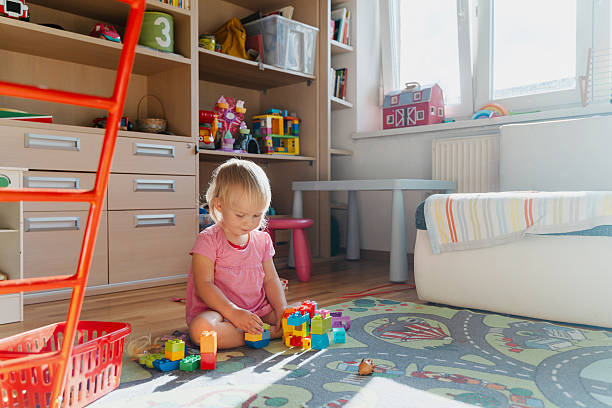
Designing a bedroom for a child is about more than picking a fun theme or a colorful paint. It is about creating a space that feels safe and encourages daily growth. By adding specific areas for play, you make the room a place of constant discovery. A thoughtful layout supports both deep sleep and active daily activities – this makes the bedroom a private sanctuary for your little one.

The Balance Between Rest and Play
Children’s bedrooms have a flow and decor style that is quite different from the rest of the home. One design blog mentions that these spaces often feel opposite to the formal areas of a house. Balancing soft zones for rest with open space for movement keeps the room functional for a growing child. It allows for a smooth transition from a busy morning to a quiet night. This balance is a key part of making the room feel comfortable and useful at all times. It creates a sense of harmony that supports a child’s well-being.
Creating Zones for Different Activities
Organizing a room into zones helps children understand when it is time to focus or wind down. Choosing soft furniture, such as bean bags designed by Bean Bags R Us, makes these zones feel cozy and inviting for young readers. Adding a comfortable chair or floor cushion provides a perfect spot for quiet moments during a long day. This simple division of space keeps things organized and manageable for everyone. A separate area for toys prevents the sleeping zone from becoming cluttered or overwhelming.
Developing Cognitive Skills Through Design
Play is a way for children to learn about the world and build new skills. A recent educational article noted that building with blocks or drawing helps kids learn to count and recognize patterns. Providing a small desk or a floor mat for these activities encourages these early academic habits. Children thrive when their environment invites them to create and examine their surroundings. These simple activities lay the foundation for future learning and problem-solving. Research from a health organization suggests that this type of play can even improve behavior in a classroom setting.
Benefits of Unstructured Play Indoors
Allowing for free movement within the bedroom has long-term benefits for a child’s mind. Research has shown that unstructured play helps develop memory and the ability to stay on task. It gives the brain a necessary break from structured learning or screen time. When a child has a dedicated corner for imagination, they return to their studies with more attention. One library resource mentioned that students pay more attention to their work after they have a break for unstructured play.
To make the most of the space, consider these ideas:
- Use a soft rug to define the center of the room.
- Add low shelves for easy access to favorite toys.
- Place a small desk near a window for natural light.
- Keep a basket of building blocks ready for use.
- Use bins to hide clutter after play is finished.
Encouraging Movement and Creativity
Active play corners are excellent for keeping energy and messes in one specific part of the house. Designers suggest that varied terrain or undulating surfaces encourage a wider range of physical movement. You can achieve this by adding floor pillows or low platforms of different heights. This setup transforms a flat room into a dynamic space for physical growth. A well-designed active corner encourages movement and independent play throughout the afternoon. Recent university research notes that varied surfaces help children develop better motor skills.
Designing Nooks for Emotional Comfort
Every child needs a private space where they can go for comfort and self-exploration. These small nooks develop into secret hideaways for dreaming big and finding peace. A well-designed room includes items like a bed and a dresser, but it gains character from a reading chair. These pieces of furniture make the room feel complete and supportive of emotional needs. These cozy spots are places where kids go for comfort and fascinating self-exploration trips. An interior magazine noted that these private areas are necessary for a child to feel a sense of independence.
Maximizing Small Spaces for Play
If the bedroom is small, you can still provide plenty of room for imagination. One interior design expert suggested that adding a rug is a simple way to define a play zone. Rugs provide a soft surface for floor activities without taking up extra physical space in the room. Using multifunctional furniture helps keep the area clear and open for daily fun. It is a simple way to create an area for your child to play without a major renovation. A furniture store blog noted that dividing space can help kids understand when to have fun and when to rest.
A comfortable bedroom is a gift that grows with your child over the years. By prioritizing play areas, you provide them with the tools they need to thrive. The right furniture and layout make the room feel welcoming and functional for every stage of life. Your child will appreciate having a space that reflects their personality and interests. It is a place where they can dream, learn, and play every single day. Creating a world within four walls starts with the right plan.
Designing a bedroom for a child is more than just picking out a paint color. It involves creating a balance between a restful sleep environment and an engaging area for daily activities. When a room serves multiple purposes, it helps a child feel more at home in their own personal space.
Kids need a place where they can let their imaginations run wild without leaving the house. A well-planned layout gives them the freedom to explore their interests in a safe environment. This approach turns a simple sleeping area into a hub for creativity and relaxation.
Creating Dedicated Activity Zones
Planning a layout requires thinking about where a child will sit and relax. Soft seating and cushions can help create cozy reading corners and play zones that feel safe and inviting. These items offer a soft place for kids to land after a long day of school.
Furniture choices should prioritize both comfort and safety. Soft seating allows children to read or play with handheld toys without needing a hard chair. This flexibility makes the room feel much larger than it actually is.
Every square foot of the room should have a clear purpose. Using rugs to define a play zone helps keep the mess contained to one area. It makes tidying up much easier for both parents and kids at the end of the day.
Smart Design for Better Sleep
Modern technology is beginning to play a larger role in how we set up sleeping quarters. A paper published in a computer science journal suggests that smart bedrooms can adapt to a user’s surroundings to help improve sleep quality. This means lighting and temperature might change based on whether a child is playing or winding down for the night.
These automated systems can lower the lights slowly as bedtime approaches. This gradual shift signals to the brain that it is time to rest. It reduces the struggle of transitioning from playtime to sleep time.
Balancing Function and Nurture
A room needs to do more than just look good on a social media feed. One interior design blog notes that children’s rooms must be functional spaces where they can feel nurtured and grow. This focus on utility means the layout supports both creative play and deep rest.
Furniture should be easy for a child to use without help from an adult. Low shelves and accessible toy bins promote a sense of independence. When a child can reach their own belongings, they feel more in control of their space.
- Durable fabrics that are easy to clean.
- Storage bins that sit at a child’s height.
- Adjustable lighting for different activities.
- Non-toxic materials for all furniture.
Maximizing Small Floor Spaces

Not every home has a massive basement for a separate playroom. A design institute suggests investing in floor pillows and mats that you can easily store in a closet when they are not being used. This keeps the floor clear for walking but provides instant comfort for floor-based games.
Foldable furniture is another great way to save space in a smaller bedroom. Desks that flip up against the wall can open up room for physical activities. It allows the room to transform based on the time of day.
Encouraging Physical Competency
Physical activity should not be limited to the local park or backyard. Researchers at a university found that movement skills gained at an early age help children stay active as they grow into adults. Having a safe area to crawl, jump, or stretch inside the bedroom can support these physical milestones.
Small climbing walls or soft mats can provide a safe outlet for extra energy. These features encourage kids to test their limits in a controlled environment. It builds confidence and coordination during their daily play routines.
Planning for Inclusive Environments
Listening to what children want can lead to much better design choices. A report from a research university points out that thoughtful planning can produce accessible and enriching environments where children can develop. Including a child in the design process makes them feel more invested in their space.
Ask them what colors they like or what kind of activities they enjoy most. Their input can help you decide whether to focus on a reading nook or a space for building blocks. It ensures that the room truly reflects their unique personality.
Accessibility is another key factor to consider when setting up a room. Make sure there is enough space to move around easily between different zones. A clear path from the bed to the play area prevents trips and falls.
Investing time in the layout now saves a lot of trouble later on. A versatile room stays relevant as kids move from toddlers to teenagers. It provides a consistent place where they can always feel safe and relaxed.
Published by HOLR Magazine.