


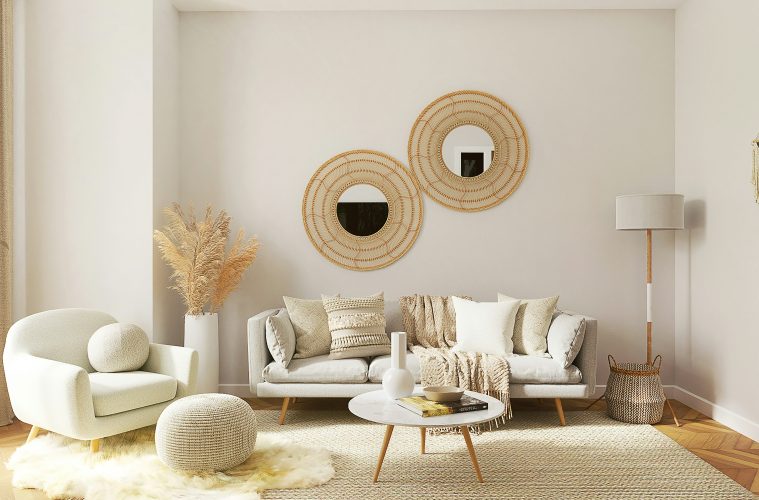
Creating a beautiful living area starts with a clear vision for the space. You should think about how your family uses the room daily. Some people need a quiet spot for reading. Others want a social hub for hosting friends and watching movies.
Designing a room involves more than just picking out furniture. You need to balance colors, textures, and layouts to create a cohesive look. A well-planned room feels inviting and reflects your personal style. Small changes often make the biggest impact on the final result.

Establish a Strong Foundation
The layout of your furniture dictates how people move through the room. You should start by identifying the focal point of the space. This might be a fireplace, a large window, or a piece of art. Arrange your seating to complement this feature without blocking pathways.
One helpful guideline is the 60-20-20 rule for color distribution. A recent article noted that your main color should take up 60% of the room to anchor the space. This creates a solid base for the rest of your design choices.
Proper spacing between items prevents the room from feeling cramped. You should leave enough room for people to walk comfortably around the coffee table. Good flow makes the room feel larger and more organized.
Mix Wood Tones for Depth
Many homeowners worry about matching every piece of wood in their home. Using the exact same finish on every surface can make a room look flat. It often lacks the character found in professionally designed spaces.
Incorporating different timber styles adds a layer of history to your home. Expert design advice suggests that mixing different wood species and finishes creates depth and authenticity. This approach allows your room to evolve as you add new pieces.
You can blend light oak with darker walnut for a curated appearance. The contrast between grains adds visual interest to your furniture. This technique works well in both modern and traditional settings.
Select the Perfect Carpets
The right floor covering pulls all your design elements together. It provides warmth and comfort underfoot while defining specific zones in an open floor plan. You should choose a size that allows the front legs of all furniture to rest on the surface.
Finding the right carpet ensures your seating area feels connected rather than floating in the middle of the room. If you take a look at Rug&Carpet and their offer, you’ll see how a well-placed piece grounds the furniture and creates a cozy atmosphere for conversation. Expert designers often recommend measuring your floor space twice before you make a final purchase.
Texture is just as important as the pattern or color you select. A plush pile adds softness to a room with lots of hard surfaces like metal or glass. Flat-weave options are often better for high-traffic areas where durability is a priority.
Focus on Lighting Layers
Lighting changes the mood of your living room instantly. You should avoid relying on a single overhead light source. This often creates harsh shadows and makes the room feel cold. Instead, aim for a mix of different types of lamps and fixtures.
Ambient lighting provides general illumination for the entire area. Task lighting helps with specific activities like reading or crafting. Accent lights can highlight architectural features or favorite decorations.
Dimmer switches are an excellent addition to any living space. They allow you to adjust the brightness based on the time of day. Lower light levels create a relaxing environment for evening relaxation.
Use Proportions Wisely
Scale plays a massive role in how a room is perceived. Large furniture in a tiny room makes the area feel suffocating. Conversely, tiny chairs in a massive hall look out of place and lonely.
You should choose pieces that fit the dimensions of your walls and ceiling height. Tall bookcases can draw the eye upward in rooms with high ceilings. Low-profile sofas work best in spaces where you want to maintain an open view.
Balance your heavy items with lighter, leggy pieces. A solid sideboard looks great when paired with a coffee table that has thin metal legs. This variety keeps the room from feeling too bottom-heavy or cluttered.
Incorporate Personal Treasures
A stunning room should tell the story of the people who live there. Mass-produced decor can feel impersonal if used exclusively. You should display items that have sentimental value or unique histories.
Photos, travel souvenirs, and heirlooms add a layer of warmth. These items serve as great conversation starters for guests. They make the house feel like a true home.
Group smaller items together in odd numbers for the best visual effect. A collection of 3 vases looks more intentional than a single lonely one. Rotate these items seasonally to keep the look fresh and exciting.
Add Soft Textures
Fabrics bring a sense of luxury and comfort to your design. You can use throw pillows and blankets to introduce new colors. These are easy to swap out when you want a quick style update.
Velvet, linen, and wool all offer different tactile experiences. Mixing these materials prevents the room from looking one-dimensional. A leather sofa paired with a chunky knit throw creates a beautiful contrast.
Curtains play a role in the texture of the room. Floor-to-ceiling drapes can make windows look larger and more grand. They also help with sound absorption and temperature control.
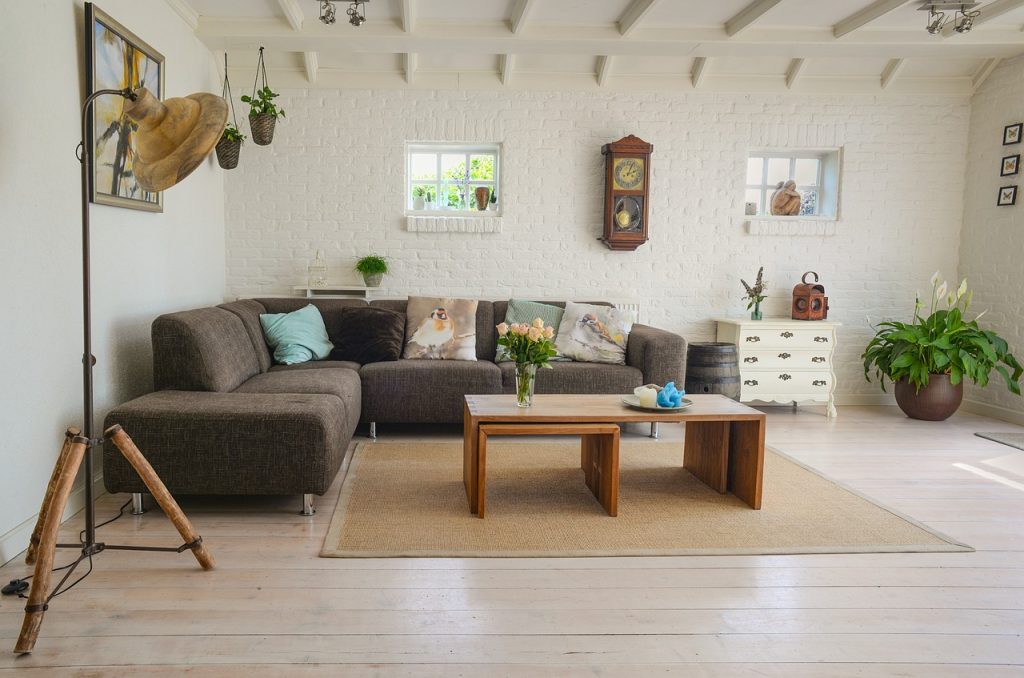
Designing a stunning living room is a journey that takes time and patience. You do not have to finish everything in a single weekend. Taking your time allows you to find the perfect pieces that fit your lifestyle.
Focus on the basics like layout and color before moving on to the smaller details. Your home should be a place where you feel completely at ease. With these tips, you can create a space that is both beautiful and functional for years to come.