


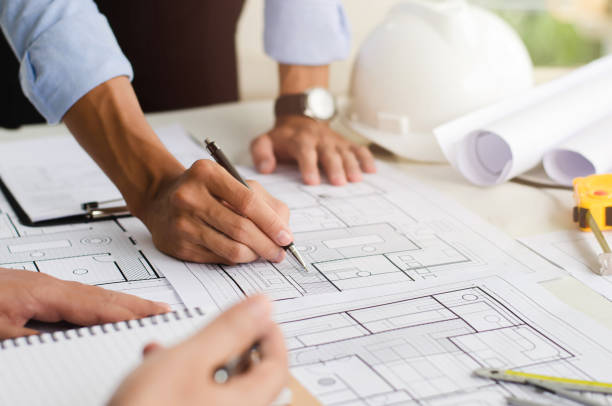
Large construction projects depend on careful planning and precise scheduling to stay organized and on time. With so many moving parts, the right tools can help project teams manage resources, track progress, and adjust to changes with less stress. The best planning and scheduling solutions give teams control, clarity, and confidence to complete complex builds more efficiently.
This article explores leading options that support large-scale construction efforts, from start to finish. It highlights platforms designed to manage crew coordination, project timelines, and resource planning for demanding construction environments. Each section focuses on a specific solution and how it fits into modern project workflows across the industry.
Planera
Planera, founded in 2021 and based in San Ramon, California, offers cloud-based scheduling software in construction industry that helps teams organize, update, and review project plans in one shared workspace. The platform uses modern CPM scheduling methods to connect office and field teams, allowing users to replace or integrate with older project management tools.
Its digital whiteboard design gives users a simple drag-and-drop way to create and adjust tasks. This visual layout helps contractors and field crews align daily activities with the master schedule, which improves coordination and reduces delays. Real-time collaboration also allows multiple people to edit schedules, comment, and compare progress at the same time.
Planera supports multiple project stages, such as bidding, preconstruction, and execution. It includes quality checks and risk tests to help teams detect possible delays early. With growing use in large data center projects, the platform focuses on combining scheduling power with an easy, user-centered interface.
Crew Console
Crew Console helps construction teams organize labor and keep schedules accurate across different job sites. The platform focuses on assigning crews, tracking progress, and adjusting workloads to fit changing project needs. It gives project managers control of multiple teams without losing sight of timelines or productivity.
This tool suits both contractors and project managers who must coordinate large crews. It combines task tracking with flexible scheduling tools that adapt to projects of various sizes. As a result, it helps reduce confusion and delays caused by manual coordination.
Crew Console also supports cost control by offering scalable options for smaller contractors and larger operations. Its layout stays simple, which helps users focus on real-time data and resource use rather than navigating complex menus. The software’s clear dashboards and performance summaries help teams spot problems early and act before schedules slip.
Microsoft Project for Construction
Microsoft Project helps large construction teams plan, schedule, and manage projects in a clear and organized manner. It gives project managers tools to break work into tasks, assign resources, and set timelines that match real project goals. This structure makes it easier to keep every part of the build aligned with deadlines.
Users can track progress through task views, charts, and reports. These features let managers see where delays may occur and adjust schedules before problems grow. The software also supports budget control by linking costs to tasks and resources, which helps track expenses more precisely.
Its collaboration tools allow multiple teams to share updates and communicate directly within project files. This setup reduces miscommunication and saves time across departments. In addition, the platform’s integration options help connect with other commonly used business systems, creating smoother data flow and a unified project overview.
Primavera P6 Enterprise Project Portfolio Management
Primavera P6 Enterprise Project Portfolio Management helps organizations plan and track large construction projects with accuracy and coordination. It gives project managers clear visibility into schedules, costs, and resource use. This level of control helps teams stay aligned and meet deadlines more effectively.
The platform supports both cloud and on-premise deployment, allowing flexibility based on company needs. It enables collaboration across departments so that teams can review updates and performance data in real time. This reduces delays and miscommunication between field and office staff.
Users can organize multiple projects within a single portfolio. This view helps prioritize efforts, manage capacity, and identify risks early. As a result, decision-makers gain a clear understanding of how individual projects affect overall business goals.
Primavera P6 is especially useful in construction because it handles complex schedules with thousands of activities. It helps keep projects on budget while improving coordination among teams and subcontractors.
Buildertrend
Buildertrend helps construction teams keep projects on track from start to finish. It provides a clear schedule that connects every part of the job, from subcontractors to inspections. Users can quickly adjust plans to reflect change orders or delays, which helps prevent confusion and wasted time.
The platform supports large and multi-phase projects that need tight coordination among several teams. It allows managers to see timelines, assign tasks, and monitor progress in real time. This level of visibility helps reduce miscommunication and keeps everyone aware of their responsibilities.
Buildertrend’s scheduling tools integrate with other project features such as budgeting and document management. This combination allows teams to manage all project steps in one place. By organizing information and responsibilities, the software helps projects finish on time and within budget.
Conclusion
Large-scale construction projects depend on organized planning tools that keep schedules tight and teams aligned. The best solutions give leaders clear control over time, budgets, and communication across every stage of work.
Modern software platforms now offer real-time data access, task tracking, and easy collaboration across multiple departments. These features help reduce delays and guide decision-making with accurate project insights.
As technology continues to evolve, software that integrates scheduling, planning, and reporting will shape how future projects succeed. By adopting data-driven systems, teams gain steadier performance and more predictable results across complex builds.
Published by HOLR Magazine.