



Packing for a trip usually involves dreaming of sunny beaches or mountain trails. Most people spend weeks planning their itinerary and booking hotels. It is easy to forget that things can go wrong far from home.
Small slips or big crashes can change everything in a second. Understanding the potential for travel injuries helps you stay ready. Being prepared makes a huge difference in an unfamiliar place.
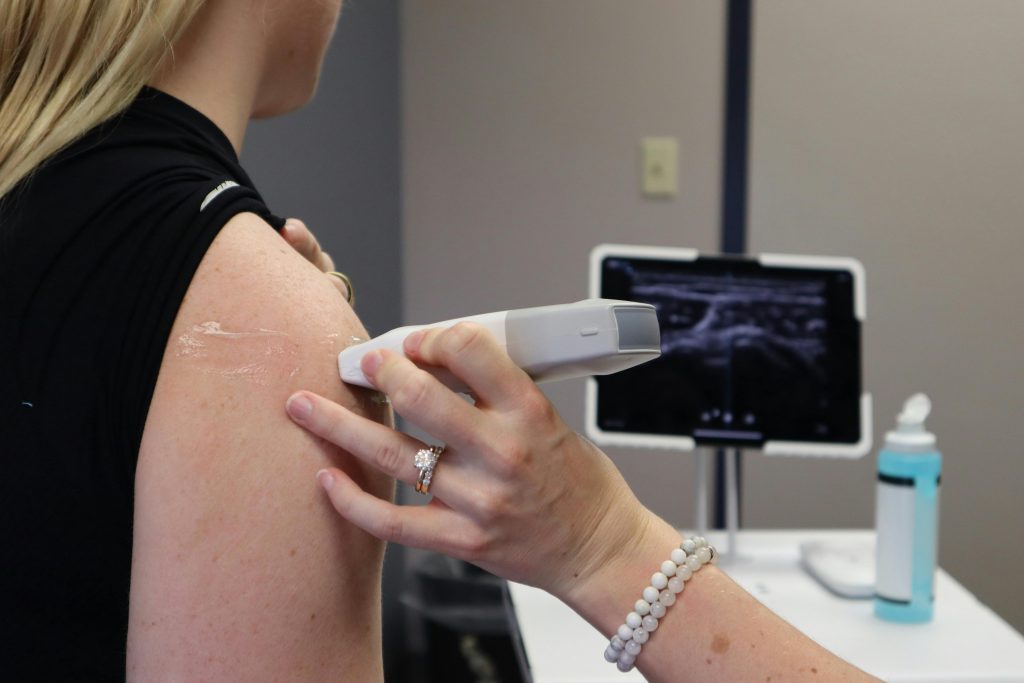
Understanding The Risks Of Travel Injuries
Travelers face hazards they do not see at home. Uneven streets or steep hiking paths lead to many sprains and broken bones. Food poisoning and local illnesses can ruin a vacation quickly. A simple car ride in a foreign city carries risks most tourists do not fully consider.
Dealing with medical staff who speak a different language is difficult. Navigating a hospital system in another country is overwhelming.
Keeping track of bills and reports becomes a full-time job. Having a plan for these moments handles the stress. You should know where the nearest clinic is located.
Legal Support After Road Incidents
Getting into a wreck during a vacation creates a long list of problems. You have to deal with vehicle damage and physical pain. Navigating insurance claims is difficult when you are away from home. Professional advice becomes a necessity for your recovery.
The aftermath of a collision is often confusing and stressful for victims. Knowing that a Car Accident Lawyer can help protect your rights gives you much-needed peace of mind. They handle the complex paperwork so you can focus on getting better.
They can communicate directly with insurance companies to negotiate fair compensation on your behalf. Gathering evidence, such as reports and witness statements, strengthens your case. Legal guidance helps ensure that deadlines and filing requirements are not missed.
High Costs Of Medical Evacuation
Sometimes a local hospital cannot provide the care you need after a severe injury. You might need a flight back home on a specialized medical plane. These flights are expensive and require immediate payment. Most standard health insurance plans do not cover these massive bills. It is a cost that catches many families off guard, which can lead to severe stress.
A report on international travel guidelines suggests having at least $250,000 in coverage for medical evacuation. Without this protection, you could face life-altering debt. Paying for a private jet with medical equipment is rarely possible out of pocket.
Navigating International Road Safety
Driving in a new country is a dangerous part of traveling. Traffic patterns and road conditions change once you cross a border. Many areas have less strict safety rules than in the U.S. Tourists are vulnerable, as they do not know local driving habits.
A recent study mentions road crashes remain a silent pandemic that impacts low- and middle-income nations the most.
These areas often lack the infrastructure to prevent serious collisions. Travelers should research road safety before they rent a car abroad. Staying alert and using trusted transportation services reduces your personal risk.
Managing Medical Transport Expenses
Even if you stay within the country, ambulance rides are a major expense. These services are provided by different companies depending on your location.
Some are run by the city, while others are private businesses. Each one has its own way of charging for the trip. You might get a bill that is higher than you expected.
Official documents regarding Medicare include a national fee schedule that sets rates for ambulance services. Knowing how these fees work helps you understand your medical bills. Check your current coverage for ground transport.
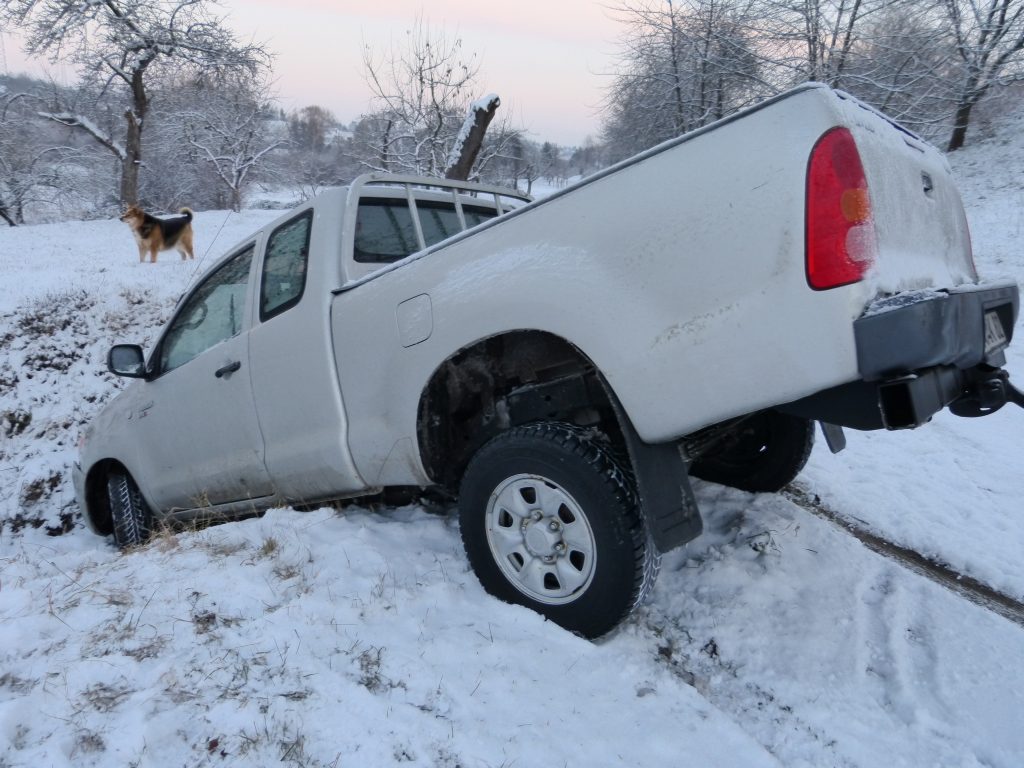
Dealing With Insurance Adjusters
Insurance adjusters work to protect their own interests after an accident. They might try to settle your claim for much less than it is worth. You need someone on your side who knows how to negotiate. Professional support helps you get the full amount you deserve for your injuries.
Staying safe requires taking a few proactive steps before you leave. Share your travel plans with someone you trust. Carry a physical copy of your insurance information and emergency contacts.
- Purchase a travel insurance policy that includes medical evacuation.
- Research the local emergency numbers for your destination.
- Keep a list of your current medications in your wallet.
- Check the road safety ratings of the countries you visit.
- Register your trip with the State Department.
Unexpected injuries can turn a dream trip into a nightmare. Staying informed and prepared is the best defense against these risks.
Whether you are flying across the ocean or driving to the next state, safety comes first. Take the time to protect yourself and your loved ones before you depart. Enjoying your travels is easier when you have a solid plan.