


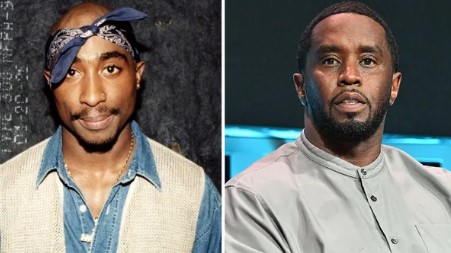
Newly surfaced audio and court-filed documents renew explosive allegations as the story surges across online search trends.
New Claims Resurface After Nearly Three Decades
December 2, 2025: Recent developments in the long-standing investigation into the 1996 killing of Tupac Shakur have reignited controversy. In court documents made public recently, suspect Duane “Keefe D” Davis claims that Sean “Diddy” Combs offered him $1 million to carry out the murder — a bombshell assertion coming nearly 30 years after the shooting. The renewed attention has sparked a wave of online searches, sending the case trending globally once more.
What the 2009 Police Interview Allegedly Revealed
According to the newly disclosed legal filing, in a secretly recorded 2009 police interrogation, Davis — once affiliated with a Compton gang — repeatedly named Diddy as the person who ordered the hit on Tupac and former record-executive Suge Knight. Prosecutors say the tape indicates Diddy was said to have promised “millions” to anyone who would eliminate both men, due to lingering animosities tied to the East Coast–West Coast rap feud of the 1990s.
Public Reaction & Media Frenzy
The resurgence of these allegations has stirred massive public outcry and renewed media scrutiny. On social platforms, countless fans and commentators are debating the implications — some expressing disbelief, others demanding accountability. Google search volume spiked nearly overnight for terms like “Diddy ordered Tupac hit” and “Keefe D Davis tape.”
Denials, Legal Status & Ongoing Investigation
Combs has consistently denied involvement — he has never been charged with Tupac’s murder. Meanwhile, Davis was arrested in 2023 in connection with the case and is currently awaiting trial. Prosecutors argue that the 2009 recording strengthens their case by providing direct evidence of the alleged conspiracy. Critics caution, however, that such confessions made years after the crime may be unreliable, and that a full judicial process is needed to determine truth.
Legacy, Betrayal and the Price of Rap Rivalries
For many, the resurfaced allegations serve as a grim reminder of the intensity and stakes of 1990s hip-hop feuds. Tupac’s death shocked fans worldwide and marked a turning point in rap history. Now, decades later, the possibility that a major industry figure might have ordered the hit adds a fresh layer of tragedy and betrayal — calling into question loyalties, power dynamics, and justice in the music world.
What’s at Stake as the Case Moves Forward
With mounting public interest, prosecutors may feel greater pressure to explore the old evidence thoroughly. For Tupac’s legacy, the renewed scrutiny could further cement his mythic status — but also reopen painful wounds for those who lost a friend, brother, and cultural icon. For the music industry at large, the case may force a reckoning about accountability, relationships, and responsibility when fame intersects with violence.
Published by HOLR Magazine