


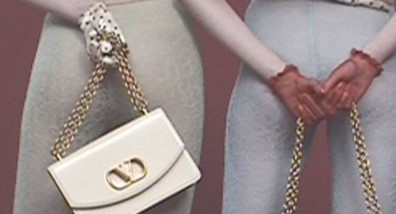
The luxury fashion house comes under fire for using artificial intelligence in a new campaign, prompting concerns about authenticity, artistry, and industry transparency.
AI Handbag Ads Spark Controversy
December 2, 2025: Valentino is facing growing backlash after unveiling a new handbag campaign featuring AI-generated imagery instead of real models, photographers, or physical products. What began as an attempt to embrace cutting-edge digital creativity has quickly turned into a heated debate about authenticity and the future of fashion marketing. Social media users, industry professionals, and long-time brand loyalists have voiced frustration, calling the campaign misleading, impersonal, and disconnected from the craftsmanship luxury fashion is known for.
Fans Criticize the Loss of Authentic Craft
Many critics argue that a heritage brand like Valentino, celebrated for its artistry and meticulous hand-crafted details, undermined its own identity by promoting bags that weren’t physically produced. Fashion enthusiasts noted that the images lacked the texture, depth, and craftsmanship associated with high-quality leather goods. For a brand that has traditionally prided itself on elegance and precision, the shift toward generative AI felt jarring — and, for some, disappointing.
View this post on Instagram
Concerns Grow Over AI Replacing Creative Jobs
The controversy has also reignited conversations about the impact of AI on creative careers. Photographers, models, stylists, and set designers expressed concern that luxury houses bypassing human talent in favor of AI tools could set a worrying precedent. Many argue that fashion imagery is an art form shaped by collaboration, intuition, and human expression — elements no algorithm can genuinely replicate. Valentino’s decision has therefore been interpreted by some as a move that prioritizes cost and convenience over artistic integrity.
Transparency Issues Add Fuel to the Fire
One of the biggest points of contention is the brand’s lack of upfront transparency. Critics say Valentino failed to clearly disclose that the campaign was fully AI-generated, leading audiences to believe they were viewing real handbags and real photography. When users began pointing out the telltale signs of AI — distorted stitching, unrealistic hand poses, and inconsistent detailing — frustration intensified. Many felt misled, prompting demands for greater honesty in marketing.
Industry Reactions Split Between Innovation and Concern
While backlash has dominated online conversations, some voices within the industry defended Valentino’s choice, arguing that AI experimentation is inevitable as technology becomes more intertwined with modern fashion. They believe brands should have room to test new methods without immediate condemnation. However, even supporters agree transparency is key and that brands must balance innovation with respect for human artistry and consumer trust.
What This Means for Valentino Moving Forward
Valentino now finds itself at the center of a larger industry discussion about how AI should — and should not — be used in luxury marketing. The brand may need to rebuild trust with consumers who felt alienated by the campaign and clarify how it plans to integrate technology responsibly in future projects.
As the debate continues, one thing is clear: in a world increasingly shaped by AI, authenticity remains one of fashion’s most valuable currencies. If you’d like your next headline turned into an article, just send it!
Published by HOLR Magazine