


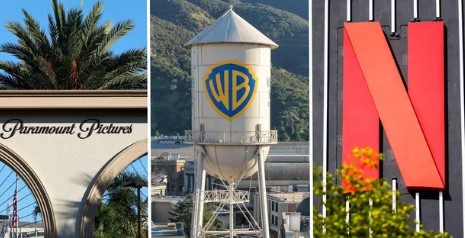
Hollywood’s behind-the-scenes drama—from studio mergers to layoffs—is reshaping what audiences watch, how much streaming costs, and which stories get made.
Hollywood’s Off-Screen Drama Has Real Impact
December 10, 2025: What’s happening behind closed doors in Hollywood is no longer just industry gossip—it’s directly affecting audiences. Major studio shakeups, aggressive streaming deals, and internal power struggles are reshaping the entertainment landscape, influencing everything from subscription prices to the kinds of stories that reach screens.
Why Studio Deals Matter to You
When major media companies merge or strike massive distribution deals, competition shrinks. Fewer competitors often means fewer creative risks, as studios focus heavily on proven franchises rather than original or experimental storytelling.
For viewers, this can translate to more sequels, reboots, and familiar brands—while fresh voices and niche projects struggle to get greenlit.
HOLR has the latest news on how consolidation is quietly redefining what content survives.
Job Cuts Lead to Fewer New Releases
Layoffs across studios, production companies, and streaming platforms don’t just affect insiders—they affect output. Smaller writing rooms, fewer production crews, and reduced budgets often result in delayed premieres and canceled projects.
That’s one reason audiences are seeing longer gaps between seasons and fewer mid-budget films than in previous years.
Why Streaming Keeps Getting More Expensive
As competition narrows, streaming platforms face less pressure to keep prices low. Bundles become more restrictive, ads creep into premium plans, and subscription fees continue to rise—even as content libraries shrink.
For many viewers, this means paying more while juggling fewer choices across platforms.
Creators Are Being Forced to Adapt
Behind the scenes, many writers, actors, and filmmakers are pivoting away from traditional Hollywood models. Short-form content, independent productions, and creator-led projects are becoming more common as creatives look for stability outside major studios.
While this shift brings innovation, it also means quality can vary widely—placing more decision-making power on viewers.
HOLR has the latest news on how creators are redefining success beyond traditional Hollywood systems.
Why Big Franchises Dominate Screens
In uncertain times, studios lean safe. That’s why major franchises dominate release schedules—big brands bring predictable returns. Smaller, original films are often viewed as too risky in a fragile market.
For audiences, this explains why theater lineups and streaming homepages feel increasingly repetitive.
What Viewers Can Expect Next
The current Hollywood turbulence suggests more consolidation, more cautious storytelling, and continued tension between creativity and cost-cutting. While blockbusters will remain plentiful, truly original projects may become harder to find within mainstream platforms.
That doesn’t mean creativity disappears—it just moves elsewhere.
How You Can Respond as a Viewer
Audience choices matter more than ever. Supporting independent films, smaller studios, and original streaming projects helps signal demand beyond franchises. Being selective with subscriptions also pushes platforms to compete on value—not just scale.
The Bigger Picture
Hollywood’s real-life drama is shaping the future of entertainment in quiet but powerful ways. As business decisions ripple outward, they determine not just what you watch—but how often, at what cost, and whose stories are told.
Published by HOLR Magazine