


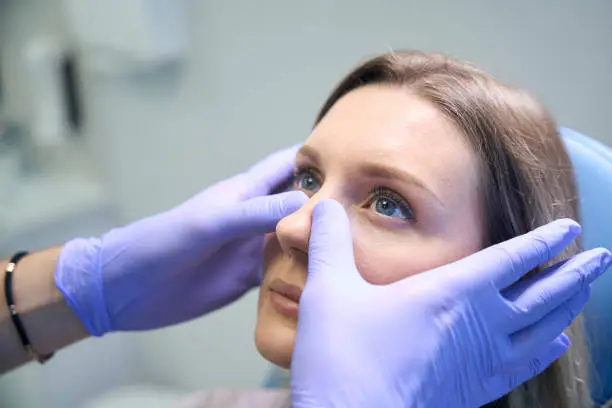
The septal deviation can make breathing, sleeping, and feeling comfortable difficult. To make an informed decision between treatment options, patients need to understand what is currently available. Our therapies today provide tools we can still use, each with its own method and healing timeline. If you are considering septum correction, learning what occurs through evaluation and what solutions are available can help you prepare.

Understanding a Deviated Septum
The septum separates the nasal cavity into two parts. If your septum is off-center, it can make it harder to breathe, get congested, or have more sinus infections. For others, it manifests as nose bleeds or long-term headaches. Many with this condition seek tips to reduce its impact and allow air to pass more easily through their nostrils. Choosing deviated nasal septum treatments ensures approaches that balance innovative care, personalized support, and sustainable outcomes.
Diagnosis and Initial Consultation
Diagnosis starts with a thorough medical history and physical exam. You might want to use a small laboratory device or camera to check your nose. Occasionally, imaging examinations, such as X-rays, supplement the evaluation. Patients discuss symptoms, past nose injuries, and other information during a consultation. It directs the physician about what therapies might be appropriate.
Non-Surgical Interventions
Healthcare providers often recommend non-surgical treatments first for mild symptoms. Such methods are decongestant sprays, antihistamines, or saline rinses. You may be prescribed medications to treat swelling or to avoid triggers that cause allergic reactions. A sweet creation of moistness would leave you breathing for sleeping quarters. As they offer relief, these approaches fail to realign the septum. Most patients are comfortable with these options on a day-to-day basis, particularly when symptoms have not reached an extreme level.
Surgical Correction: Septoplasty
Among patients who fail medical therapy, septoplasty is recommended. The septoplasty straightens your septum through small incisions inside your nose. Surgeons either take out or move cartilage and bone to open obstructed airways. The doctor performs the operation under anesthesia, which helps keep the patients comfortable during the one- to two-hour procedure. These surgeries are mainly carried out on an outpatient basis and the patient can go home the same day. Rest, avoiding vigorous activity, and prescribed nasal sprays are common in recovery instructions.
What to Expect During Recovery
After septoplasty, mild discomfort, swelling, or stuffiness is common for patients. Most people will recover within one to two weeks. Doctors sometimes recommend sleeping with the head elevated to minimize swelling. Sometimes nasal packing or splints are placed, but they are typically removed after several days. It is common initially for symptoms to include mild bleeding or drainage. Patients must adhere strictly to all post-operative instructions, including those regarding medications and wound care. The complete effects may take several weeks to develop as swelling goes down.
Benefits of Modern Septum Treatments
Today’s therapeutic modalities focus on the comfort and safety of patients. For mild cases, non-surgical solutions provide speedy relief. Surgical techniques, like septoplasty, now utilize smaller incisions and allow for quicker recovery periods than before. Many people experience greater ease of breathing, improved sleep, and fewer sinus infections. As a result, the risk of noticeable scars or complications in the long run is less with improved methods. The average person experiences notable alleviation in symptoms, and this improvement has a beneficial impact on everyday living.
Potential Risks and Considerations
Although septoplasty is safe, some risks do exist. These can consist of infection, bleeding, or nasal shape changes. Occasionally a few people have tingling or a perforation of the septum. Appropriate preoperative assessment and surgeon selection can reduce these risks. If you discuss your health history with a medical professional, you will consider all the factors before deciding. Before each intervention, patients must carefully weigh the risks and benefits.
Aftercare and Long-Term Outcomes
Following the aftercare instructions is important to avoid an infection and facilitate healing. Follow-up doctor visits provide an opportunity to monitor progress and respond quickly to problems as they arise. The majority of patients experience long-lasting relief from breathing difficulties and enhanced quality of life following treatment. Results are further enhanced by a balanced lifestyle and regular medical support. Lifestyle alterations (e.g., avoiding nasal irritants or other triggers and treating allergies) obviously reinforce the effects of treatment.

Conclusion
There are various treatment options that exist nowadays for individuals with a deviated septum. Recognizing what each approach entails can alleviate worries and optimize results. Thanks to advanced practices and educated practitioners, many individuals regain their breath and ease in their lives. So, when your choice is well-informed, your health greatly benefits, and your life runs so much smoother.
Published by HOLR Magazine.