



A mix of market pressure, earnings concerns, and investor sentiment weighed on SoFi Technologies’ shares at year-end
A Rough Close to 2025 for SoFi
January 6, 2026: SoFi Technologies (NASDAQ: SOFI) saw its stock fall more than 13% in December, marking one of the steepest late-year sell-offs for the company. Investors and analysts have pointed to several key factors behind the decline, ranging from financial results to broader tech and financial sector headwinds.
Here’s a clear breakdown of what contributed to the drop and what it could mean for SoFi going into 2026.

Image Credit: The Motley Fool
Slower-Than-Expected Earnings Growth
One of the immediate drivers was SoFi’s latest earnings report, which revealed growth that didn’t meet some analysts’ expectations. While the company continued to expand its user base and product lineup, revenue and profit figures were seen as lacking the acceleration many investors had anticipated.
Earnings figures are a major catalyst for tech and fintech stocks — when they fall short of forecasts, traders often react quickly by reducing positions.
Analysts noted that certain segments of SoFi’s business, such as its credit-card venture and personal loan portfolios, didn’t show the kind of rapid growth needed to justify higher valuation multiples. That eroded confidence among short-term investors.
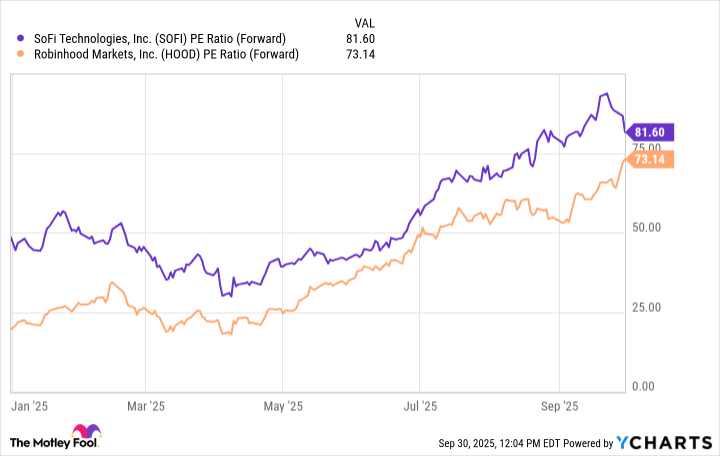
Image Credit: The Motley Fool
Rising Costs and Increased Competition
SoFi has been investing heavily in expanding its offerings — including banking products, lending services, and wealth management. While these investments fuel long-term growth, they also increase operating costs in the short term.
In December, investors grew wary as expenses continued to outpace revenue growth. Higher marketing and technology-development costs weighed on profit margins, particularly as competitor fintechs also intensified their activities.
From traditional banks to digital challengers, the competition in lending, payments, and financial services has become fiercer — pushing investors to question whether SoFi’s expansion strategy will pay off quickly enough to justify its stock price.

Image Credit: The Motley Fool
Broader Market Conditions
The drop in SoFi stock also coincided with wider weakness in the financial and tech sectors toward the end of the year. Rising interest rates, uneven economic data, and geopolitical uncertainty often lead traders to rotate out of growth-oriented names and into safer assets.
Financial stocks, in particular, were sensitive to expectations of interest-rate policy changes, credit trends, and macroeconomic headwinds that could slow consumer borrowing and spending.
As SoFi straddles both finance and tech, it was vulnerable to broad sentiment shifts affecting both markets.
Investor Sentiment and Short Selling
Investor psychology played a role as well. Once the initial earnings reaction triggered selling pressure, momentum traders and short sellers increased their activity, amplifying the downward movement.
Retail investors who had been bullish earlier in the year became more cautious, reducing exposure in anticipation of potential 2026 interest-rate decisions and earnings risks.
Analyst downgrades from a few research firms also contributed to the negative sentiment, making it harder for the stock to find support levels in a volatile market.
Image Credit: The Motley Fool
Regulatory and Credit Concerns
Another element weighing on SoFi’s shares in December was concern over credit performance and regulatory scrutiny in the broader lending space. Financial regulators have been closely watching consumer debt trends, especially as inflation and cost-of-living pressures remain challenging for many borrowers.
Investors worried that rising delinquencies could eventually hit fintech lenders with significant unsecured loan portfolios — including some of SoFi’s lending products.
While no specific regulatory action was announced at year-end, the atmosphere of caution likely contributed to the stock’s drop.
What This Means for 2026
Heading into the new year, there are both challenges and opportunities for SoFi:
Challenges: Investors will be watching cost discipline, credit quality, and how effectively SoFi can convert new users into profitable customers.
Opportunities: Continued expansion into banking and investment services, improvements in technology, and better cross-selling could boost long-term earnings trajectories.
Some analysts believe the December dip could represent a buying opportunity for long-term investors if the company shows clearer signs of sustainable growth.
Published by HOLR Magazine