


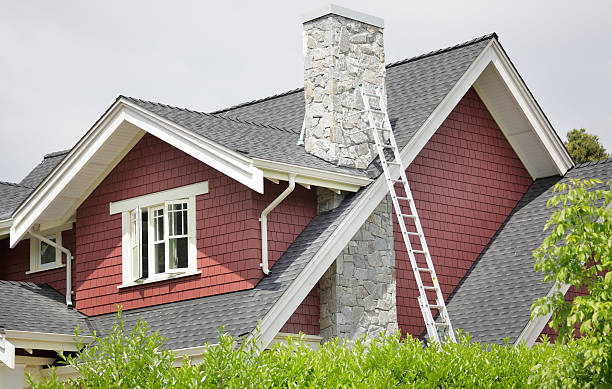
Owning a home brings many responsibilities, including the health of your roof. The roof defends your home against rain, wind, and sun. Small issues turn into massive problems if left alone for too long.
Checking for damage after every storm maintains the strength of the entire building. Take action early to keep the living space dry and secure for many years. Regular care extends the life of the building materials.
Detecting Small Leaks and Hidden Signs Of Damage
Water finds the smallest paths to enter a residence. A tiny crack in a shingle might seem minor during a drizzle, but heavy storms push water into these gaps quickly. Look for shingles that appear cracked or missing. Catching a small drip now prevents a major flood later, as moisture inside the attic causes the wood to soften.
Stains on the ceiling or walls indicate a problem above: these marks mean water has already soaked through the insulation. Inspect the attic for signs of dampness after a heavy rain. Dark spots on the wood beams suggest a leak is present. Small patches are easy to fix before the damage spreads.
Protecting Interior Walls And Insulation
Moisture ruins drywall and reduces the effectiveness of insulation in the attic. Look for metal roofing services that provide expert help for homeowners dealing with persistent leaks. Professional help keeps the interior of the house dry during the rainy season.
Wet insulation loses its ability to regulate temperature. Replacing damaged materials adds cost to a simple repair job. Small fixes keep the attic space functional and dry. Dry walls stay strong and hold paint better.
Avoiding Expensive Structural Failures
Waiting for a roof to fail before acting is a costly mistake. A full roof replacement in the U.S. during 2026 typically costs between $7,500 and $18,000. Paying for a few hundred dollars in repairs today saves thousands later.
Rotting wood in the rafters weakens the support system of the entire house. Fixing a few shingles is much easier than replacing the whole deck. A strong frame keeps the entire building stable during high winds. Owners who invest in maintenance will save money in the future.
Combatting Mold Growth And Health Risks
Damp environments allow fungi to thrive inside the attic or wall cavities. Mold begins growing on wet surfaces in as little as 24 to 72 hours. Breathing in these spores creates health concerns for residents. Keeping the attic dry prevents these colonies from forming.
Common signs of roof trouble include:
- Granules filling up the gutters
- Water stains on the ceiling
- Missing or curled shingles
- Daylight peeking through the attic boards
- Cracked flashing around chimneys
Identifying these issues early keeps the air quality inside the home clean. Mold remediation is a difficult and expensive process. Preventing the moisture from entering is the best defense.
Boosting Your Property Resale Value
A sturdy roof makes a great impression on potential buyers. Asphalt shingles cost around $30,680 on average, but add over $17,000 to the resale price. Buyers worry about hidden damage when they see a worn exterior. Proof of regular maintenance gives people confidence during a sale.
Investing in the exterior protects the equity built up in the home. Quality materials help the house sell faster. A new roof is a major selling point for any listing. Real estate agents suggest fixing the roof before putting a house on the market.
Maintaining Gutter Systems For Stability
Gutters move water away from the base of the house. Clogged channels cause water to overflow and pool near the foundation. Moisture seeps into the basement or crawlspace. Cleaning out leaves twice a year keeps the system working correctly.
Sturdy gutters prevent soil erosion around the perimeter. Water managed correctly keeps the foundation strong. Splash blocks help direct the flow even further away. Neglected gutters lead to wood rot along the edges of the roof.
Understanding Environmental Impact On Roofing
Sun exposure dries out materials and makes them brittle. Wind pulls at the edges of the roof and creates gaps. Regular maintenance identifies these weak points before the next big storm hits. Using high-quality materials helps the structure withstand harsh weather.
Small fixes prolong the life of the entire system. Extreme heat cycles cause shingles to expand and contract. This movement creates tiny openings for water. Keeping the surface reflective can lower cooling bills.

Keeping a home in good shape takes constant effort and attention. Small repairs prevent the need for a total replacement too early. Checking the roof after harsh weather protects the investment for the future.
Homeowners who stay ahead of problems enjoy a safer living environment. Taking care of the roof today guarantees that the house stays strong for decades to come. Professional inspections help find issues that are hard to see. Safe homes start with a solid roof.
Published by HOLR Magazine.