


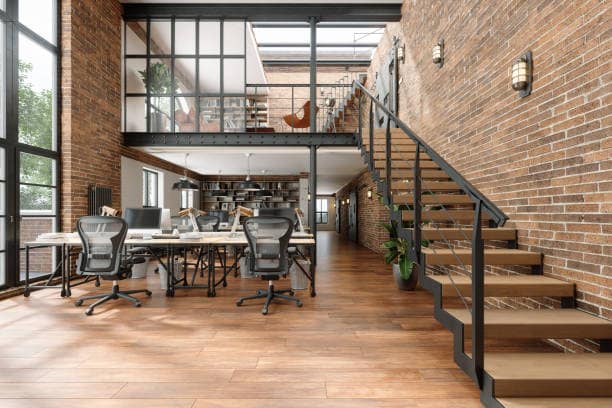
Maintaining a comfortable climate in business spaces has a direct impact on productivity, client satisfaction, and even energy costs. Fluctuating temperatures, humidity levels, and poor airflow can lead to a range of issues, from health complaints to damage to sensitive equipment. Business owners need strategies that address these challenges efficiently while keeping operational costs manageable.
From implementing smart HVAC systems to optimizing natural airflow, there are practical solutions that help maintain a consistent and pleasant environment. Understanding how to manage climate control effectively ensures staff well-being and operational efficiency throughout the year.
Invest in Efficient HVAC Systems
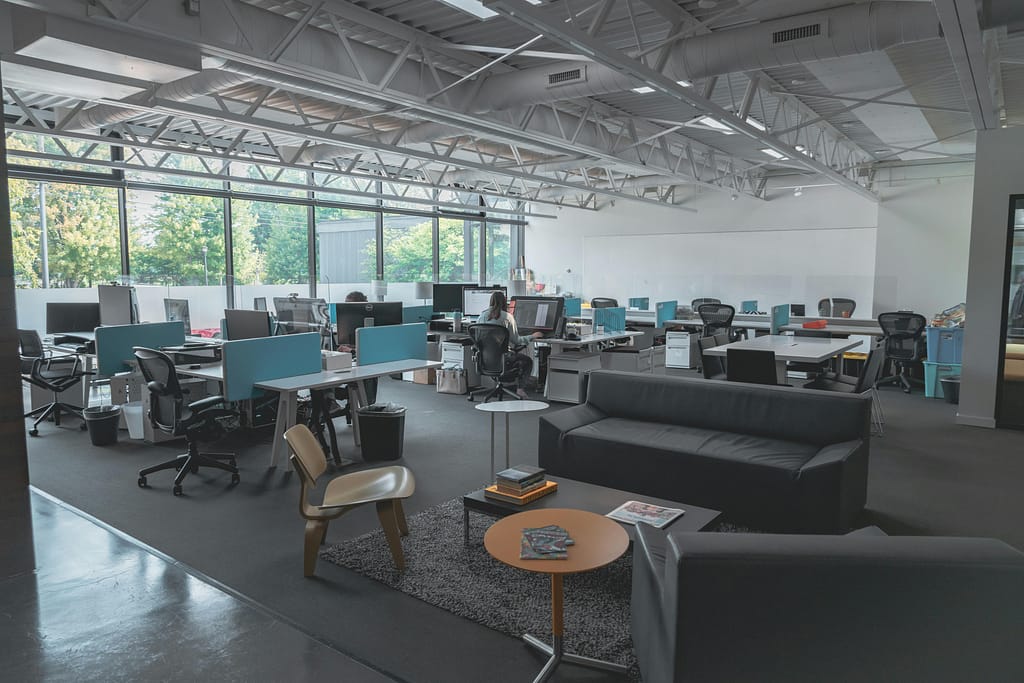
Investing in a high-quality HVAC system is one of the most effective ways to maintain a comfortable environment in business spaces throughout the year. Modern systems offer energy-efficient features, and integrating large-scale cooling solutions ensures that even expansive areas receive consistent temperature control, preventing hot or cold spots. Regular maintenance, including filter replacements, duct inspections, and system calibration, keeps these systems operating efficiently and extends their lifespan.
By selecting the right HVAC solution, businesses can reduce energy costs, enhance air quality, and provide a reliable, comfortable environment for employees and clients, supporting productivity and satisfaction. Consistent monitoring and timely upgrades further ensure the system continues to meet the changing needs of the space.
Leverage Smart Thermostats and Controls
Smart thermostats can significantly improve year-round climate management by offering precision and automation. These devices learn usage patterns, detect occupancy, and adjust temperatures accordingly, reducing energy waste when spaces are unoccupied. Integration with mobile apps allows managers to monitor and modify settings remotely, making it easier to respond to sudden temperature changes or unexpected occupancy.
For larger commercial spaces, centralized control systems can link multiple units for coordinated operation, preventing hot or cold spots. Utilizing smart technology keeps employees and clients comfortable and provides detailed energy usage insights that help optimize efficiency.
Enhance Insulation and Sealing
Effective insulation and sealing of windows, doors, and walls play a critical role in maintaining consistent temperatures. Poor insulation allows heat to escape during winter and lets unwanted heat in during summer, forcing HVAC systems to work harder. Weatherstripping doors, sealing gaps around windows, and adding insulating materials to walls and ceilings can significantly reduce energy loss.
Proper insulation helps regulate humidity, reduces outside noise, and increases energy efficiency. Businesses that prioritize these upgrades often see immediate benefits in comfort and utility savings, creating a more sustainable and productive environment.
Optimize Airflow and Ventilation
Good airflow and ventilation contribute directly to maintaining comfortable temperatures and air quality. Ceiling fans, vents, and strategically placed air returns help distribute conditioned air evenly, preventing hot or cold spots. Natural ventilation, such as opening windows when the weather permits, can supplement mechanical systems and reduce energy consumption.
For spaces with high occupancy or equipment that generates heat, adding air purifiers or exhaust fans ensures fresh air circulation and prevents stagnant conditions. Balancing airflow across the entire space improves comfort and supports healthier working conditions, reducing the likelihood of illness and fatigue among employees.
Use Window Treatments Strategically
Windows are often the primary source of unwanted heat gain or loss, but they can be managed effectively with appropriate treatments. Blinds, shades, or reflective films can minimize heat exposure during summer months while retaining warmth in winter. Automated window treatments add convenience by adjusting based on sunlight intensity or time of day, maintaining a stable indoor climate without manual intervention.
These measures reduce strain on HVAC systems and contribute to energy savings. Thoughtful management of natural light and heat through window solutions allows businesses to create a comfortable environment without compromising aesthetics or productivity.
Monitor and Adjust Humidity Levels
Maintaining proper humidity is as important as temperature control for business spaces. Excess humidity can lead to mold growth, damage to equipment, and discomfort for occupants, while overly dry conditions can cause skin irritation, respiratory issues, and static electricity buildup. Using humidifiers or dehumidifiers in combination with HVAC systems helps achieve optimal levels tailored to the specific needs of the space.
Regular monitoring with digital hygrometers ensures adjustments can be made proactively rather than reactively. Businesses that prioritize humidity control protect their assets and create a more pleasant and healthy environment for employees and clients.
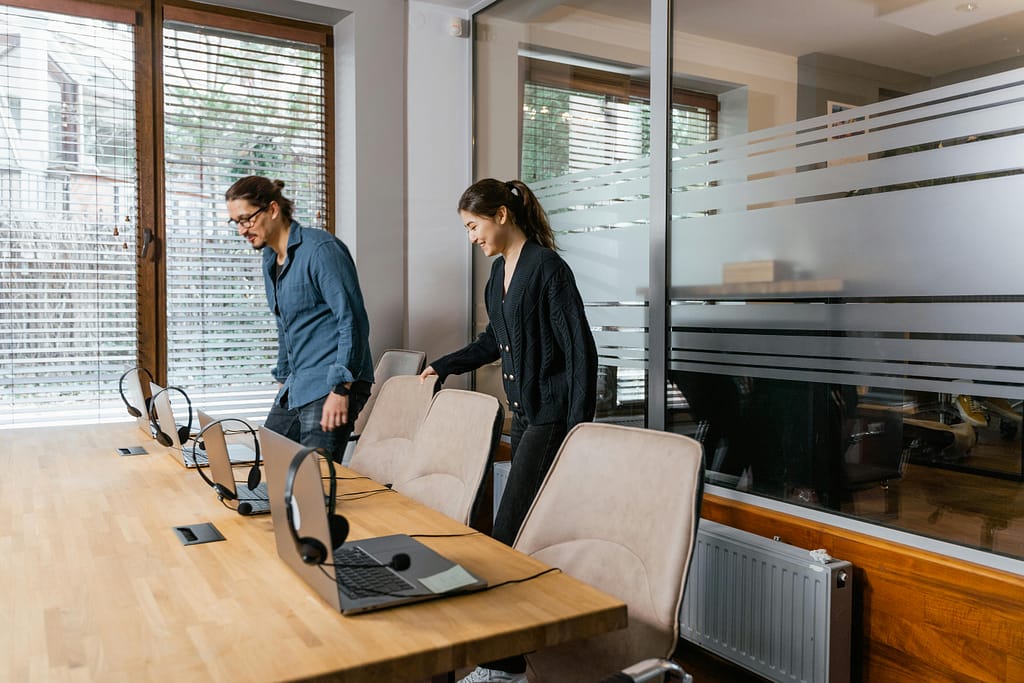
Consistent climate control in business spaces requires a combination of technology, maintenance, and practical solutions. By investing in efficient HVAC systems, leveraging smart controls, improving insulation, optimizing airflow, managing windows strategically, and monitoring humidity, businesses can maintain comfortable environments year-round.
These steps reduce energy costs, enhance employee well-being, and protect equipment and property. A proactive approach to climate management ensures operational efficiency and sets the stage for a productive, safe, and welcoming business environment, regardless of seasonal weather changes.
Published by HOLR Magazine.