


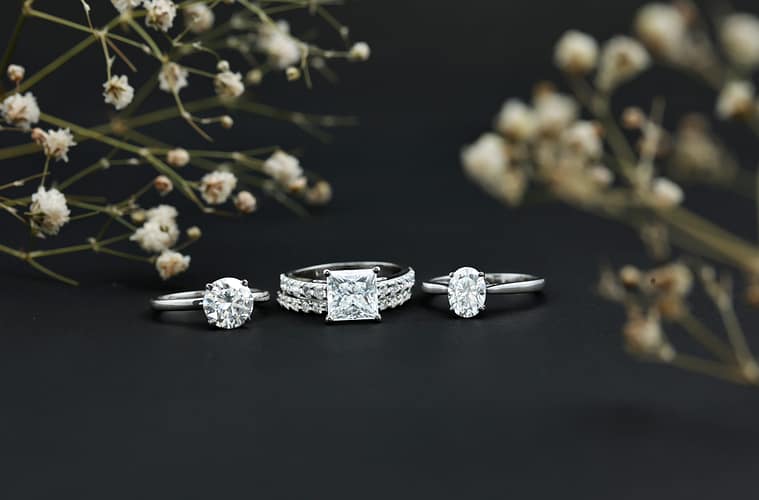
Engagement is a significant occasion in a couple’s life that actually marks two individuals promising to stay with each other forever. To make this moment more memorable, they exchange engagement bands that have a personal touch, lasting value, and are comfortable to wear on an everyday basis.
The modern market offers a variety of forms and material choices of Engagement Rings, and it is hard to find the right one. This guide will help to understand the options and have all the information required to make a valuable purchase of jewelry.
Start with the Ring Shape
The design is based on its shape, as it determines the nature of the stone and predetermines the rest of the ring. Each form has its own aesthetic, some emphasize brilliance, and others improve structure or length.
How to Choose the Right Shape?
Consider the way the wearer tends to make personal style. Round shape provides classical twinkling, oval and marquise stones create the effect of length and size. An emerald shape is a cool and sophisticated appearance that is fitting to those who attach importance to clarity rather than bling-bling. When these factors are evaluated, the correct shape will be easier to detect.
Deciphering Diamond Shapes:
When you start looking for your diamond, the first important thing to understand is shape vs. the 4 C’s. Here is a table that can help you choose the best shape for yourself and your partner:
| Shape | Key Characteristics | Best For |
| Round | Classic, brilliant | Maximum sparkle |
| Princess | Modern, edgy | Square aesthetic |
| Oval | Elegant, elongating | Smaller hands/fingers |
| Emerald | Vintage, sophisticated | Clarity (shows inclusions) |
| Pear | Unique, soft | Versatility |
Exploring Timeless & Contemporary Settings
Once you decide the shape of the center stone, the design of the ring, including the setting architecture, the type of metal used and other details, determines its overall persona. This is where careful craftsmanship is combined with a deliberate design, beyond the material selection, to the overall aesthetic.
The Enduring Solitaire
The solitaire environment is a gold standard of engagement rings due to several reasons. It only has one center stone embedded on an unornamented metal band, with four or six prongs, oftentimes fastened to ensure a firm fit. The reason why this design technique is effective is that it puts the entire visual attention on the center diamond or gemstone and ensures that the most light reaches the stone.
The Glamour of Halos
The halo setting is always reliable to the person who wants the greatest visual effects and unquestionable glamour. A halo consists of a central diamond, which is encircled by a thin (or ring) of pavé diamonds or micro-diamonds, or other accent stones. This style accomplishes two brilliant objectives: it contributes to the apparent size of the center stone, as well as provides a serious sparkling factor, reflecting ambient light in all possible ways.
Vintage-Inspired and Art Deco Details
These particular styles often feature delicate detailing, such as small metallic beads used on the edges of the metal work as well as decorative, finer metal wires. They have specific geometric motifs that remind couples of the roaring 1920s and 30s movement known as Art Deco.
The Modern Alternatives: Lab-Grown Diamonds & Moissanite
Perhaps the most important change in the contemporary engagement ring market is the widespread acceptance and wide availability of attractive substitutes to conventional mined diamonds. These alternatives enable the modern, knowledgeable consumer to adequately strike the balance between the aesthetics, financial limits and personal morality.
Lab-Grown Diamonds
Lab-grown diamond rings are chemically, physically, and optically the same as mined ones. In fact, they are real diamonds just made efficiently in a well-controlled laboratory setting. This is an intrinsically ethical sourcing process that provides a different value proposition than mined diamonds.
Moissanite
Moissanite is a totally different mineral altogether, being silicon carbide, first found as minute grains in a meteorite crater. It appears to the naked eye to be almost the same as a diamond but chemically different. Moissanite rings are highly sparkling as they have a high refractive index.
Essential Considerations Before You Buy: The Practical Checklist
The purchase of an engagement ring depends on correct information and knowledge. These are the main principles that should be taken into account before purchasing your engagement bands:
- Make a Realistic Budget: The first thing you’ll need to do is decide on a comfortable budget.
- Insist on Proper Certification: Certifications are highly important to ascertain the quality of diamonds and also to ensure that you know the correct value for the stone, be it mined or lab-grown.
- Knowing the 4Cs: The 4Cs (Cut, Color, Clarity, and Carat weight) are the general method of explaining diamond quality. In the case of moissanite, the color of the stones is the main area of grading, as the clarity is usually high and the cut can differ according to the style.
- Lifestyle Check: Take into account the daily activities of the wearer, stones like moissanite or Lab-grown diamond rings can be used for everyday use as they are easy to clean and come with affordable pricing.
Final Thoughts
The best choice to select engagement rings is always what feels right and resonates best with your love story. By exploring thoughtful shapes, meaningful settings and ethical gemstones, you can select the most appealing yet durable design for engagement and wedding bands. To shop for stones that have lab-grown diamonds, moissanite or any other material, you can explore the offerings of Rosec Jewels. This winter season, they are offering up to 20% off and one-year warranty on all of their products.