


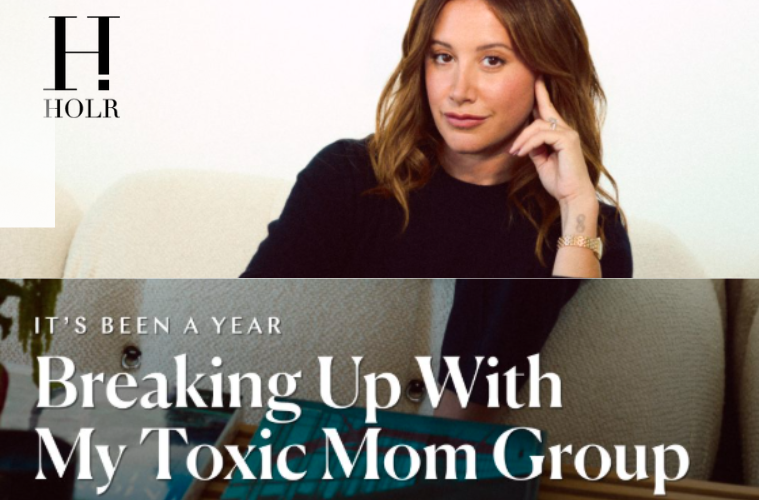
The actress opens up about exclusivity, “mean-girl” energy, and why she refuses to stay silent about unhealthy circles
Pulling Back the Curtain on Hollywood “Mom Culture”
January 5, 2026: Ashley Tisdale is sparking major conversation after revealing that a private celebrity mom group she once participated in became toxic, isolating, and fueled by cliques. What was supposed to be a supportive space for parents in the industry, she says, turned into something that reminded her more of high-school social politics than motherhood solidarity.
According to Tisdale, the tone shifted from encouragement to silent judgment — with unspoken rules about who belonged, who didn’t, and which moms were treated like outsiders.
Her decision to speak publicly has struck a nerve — especially among women who recognize similar dynamics in their own parenting circles.

Image Credit: Hilary Duff/Instagram
“Mean-Girl Behavior” Behind the Scenes
Tisdale described subtle digs, passive-aggressive exchanges, and exclusionary group chats that made certain moms feel unwelcome. Invitations were selective. Conversations felt curated. Opinions were quietly policed.
The energy, she said, wasn’t about sharing advice or connection — it was about status and hierarchy.
Rather than shrugging it off, Tisdale admits the experience stung. As a new mom navigating normal anxieties, she expected empathy — not micro-cliques and silent competition.
Why Her Story Matters
Celebrity or not, many parents know this pattern: a group that presents itself as supportive while quietly fostering comparison, judgment, and insecurity.
Tisdale’s honesty is resonating because it challenges the polished image of Hollywood friendships — and highlights how even privileged spaces can carry emotional costs.
Her point isn’t to shame individuals. It’s to question why motherhood, which should build community, sometimes becomes another arena for rivalry.
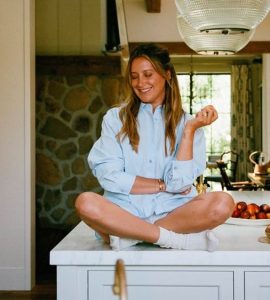
Image Credit: Instagram /@ashleytisdalefrench
Choosing Distance Over Drama
Instead of confronting the group directly, Tisdale says she eventually stepped back — prioritizing peace over proximity. Protecting her mental health, she explained, meant removing herself from environments that normalized exclusion.
That decision inspired others. Parents online shared stories of stepping away from PTA cliques, neighborhood mom groups, or social-media communities that left them feeling judged rather than supported.
For Tisdale, walking away wasn’t weakness — it was boundaries.

Image Credit; Hilary Duff/Instagram
Reclaiming What Support Should Look Like
Tisdale has since focused on smaller, more genuine friendships — moms who talk honestly about exhaustion, anxiety, balance, and identity. No performance. No competition.
She emphasized that real community doesn’t revolve around appearances or curated perfection. It’s built on:
Listening without judgment
Sharing experiences honestly
Choosing compassion over comparison
The response suggests that thousands of parents — celebrity or otherwise — crave exactly that.
Hollywood Pressure Meets Parenting Pressure
In Tisdale’s view, celebrity culture can amplify insecurity. Public scrutiny, image expectations, and brand-driven lifestyles can bleed into personal spaces. When that mixes with parenting pressures, the result can be a fragile social environment where vulnerability feels risky.
Her message is simple: motherhood shouldn’t feel like auditioning.
Fans Applaud Her Honesty
Reactions across social platforms have largely been supportive. Many praised Tisdale for naming what others quietly feel. Some thanked her for reminding parents that stepping away from unhealthy dynamics doesn’t make them difficult — it makes them self-aware.
Others pointed out that conversations like this help normalize talking about emotional wellbeing in parenting spaces.
What Comes Next
Tisdale hopes the conversation leads to more openness about friendship dynamics — especially among mothers who already juggle pressure, responsibility, and self-doubt.
She isn’t calling for drama. She’s calling for change — and encouraging moms to choose community that nourishes rather than divides.
Because motherhood, she believes, should never feel like being back in the cafeteria again.
Published by HOLR Magazine