


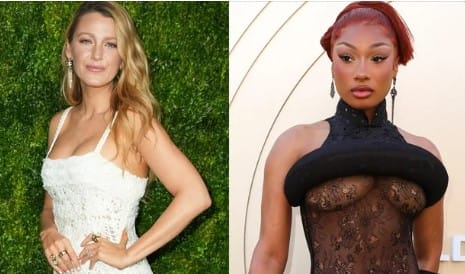
Blake Lively and Megan Thee Stallion legal battles spotlight who qualifies as a journalist today
A Legal Debate With Industry-Wide Implications
December 15, 2025 — Ongoing lawsuits involving Blake Lively and Megan Thee Stallion are sparking a broader and increasingly urgent question in media and legal circles: who is considered a journalist in the digital age? While the cases themselves center on distinct legal disputes, both have unexpectedly reopened debates about press protections, online commentary, and where the line is drawn between journalism, blogging, and social media influence.
As courts grapple with claims involving defamation, reporting standards, and freedom of speech, these high-profile cases are drawing attention to how modern media operates — and whether existing legal definitions are equipped to keep up.
How Celebrity Lawsuits Are Shaping the Conversation
Celebrity lawsuits often attract public interest, but the involvement of Blake Lively and Megan Thee Stallion has elevated the discussion beyond gossip or entertainment news. At the heart of recent legal arguments is whether individuals who publish content online — including bloggers, podcasters, YouTubers, and social media commentators — should be afforded the same legal protections as traditional journalists.
In both cases, attorneys have reportedly questioned the credibility, intent, and professional standing of those who disseminated information at issue. The implication is clear: not everyone who publishes content is necessarily engaging in journalism, but defining that boundary is increasingly complex.
The Blurred Lines of Modern Journalism
Traditional journalism has long been defined by standards such as editorial oversight, fact-checking, and adherence to ethical codes. However, the rise of digital platforms has dismantled many of those structural markers. Today, a single individual can reach millions without institutional backing, raising questions about accountability and responsibility.
Legal experts note that courts are now being asked to determine whether influence equals legitimacy. Does having a large audience qualify someone as press? Or does journalism require training, credentials, and editorial independence?
The lawsuits involving Lively and Megan Thee Stallion are forcing these questions into formal legal settings, where answers carry real consequences.
Why the Definition Matters in Court
The distinction between a journalist and a private individual is not merely semantic. Journalists are often granted specific protections, including shield laws that allow them to protect sources and greater leeway under free speech defenses.
If courts determine that certain online creators qualify as journalists, it could expand press protections dramatically. Conversely, narrowing the definition could exclude many voices who currently operate under the assumption that they are engaging in journalistic activity.
In cases involving public figures like Lively and Megan Thee Stallion, this distinction becomes even more critical. Public figures already face higher thresholds when pursuing defamation claims, and the status of the speaker can further complicate legal standards.
Megan Thee Stallion and the Cost of Online Narratives
Megan Thee Stallion’s legal battles have consistently highlighted the rapid spread of online narratives, many of which originate outside traditional newsrooms. Her case has drawn attention to how misinformation, commentary, and speculation can gain traction without verification, often blurring the line between reporting and opinion.
Supporters argue that allowing untrained commentators to claim journalistic protections undermines accountability, while critics warn that limiting those protections could chill free expression — especially for independent creators and marginalized voices.
The case underscores how celebrity, social media, and the justice system are now deeply intertwined.
Blake Lively and Privacy in the Digital Age
Blake Lively’s involvement in legal disputes has similarly raised questions about privacy, reporting standards, and responsible publication. As public figures navigate life under constant scrutiny, the role of online media becomes increasingly contentious.
Legal arguments in such cases often probe whether the dissemination of information served a public interest or merely fueled speculation. That distinction plays a key role in determining whether content qualifies as journalism or crosses into harmful territory.
For celebrities, the outcome of these debates affects not only legal strategy, but also how personal narratives are shaped and shared online.
What This Means for Media Creators
The implications of these lawsuits extend far beyond Hollywood. Independent journalists, content creators, and influencers are watching closely, aware that court rulings could redefine their rights and responsibilities.
If the definition of journalist becomes more restrictive, some creators may find themselves without legal protections they once assumed applied. If it expands too broadly, critics worry it could weaken standards designed to preserve credibility and trust in the media.
The challenge lies in balancing free expression with accountability — a task that becomes more difficult as media platforms continue to evolve.
An Industry at a Crossroads
The entertainment industry is not alone in facing this reckoning. News organizations, tech companies, and lawmakers are all grappling with how to regulate — or protect — speech in a fragmented media ecosystem.
These lawsuits serve as case studies in a much larger conversation about truth, influence, and responsibility. As courts weigh arguments, their decisions may help shape how journalism is defined for years to come.
Looking Ahead
As the Blake Lively and Megan Thee Stallion cases continue to unfold, the legal question of who qualifies as a journalist remains unresolved. What is clear, however, is that the answer will have far-reaching consequences — not just for celebrities and courts, but for anyone who publishes information in the digital age.
Published by HOLR Magazine