



The actor revisits long-standing criticism of one of TV’s most debated characters
Bryan Cranston Speaks Out on Breaking Bad Criticism
April 13, 2026 – Bryan Cranston is revisiting one of the most controversial fan reactions in television history—defending Skyler White, a character who faced years of backlash from viewers during Breaking Bad’s original run.
Cranston, who portrayed Walter White on the hit series, pushed back against the narrative that Skyler was a villain in the story. Instead, he argued that much of the criticism directed at her overlooked the reality of her situation within the show.
His comments have reignited discussion about how audiences interpret complex female characters.

Image Credit: Everett Collection
Why Skyler White Was So Widely Criticized
Skyler White, played by Anna Gunn, became one of the most polarizing characters on Breaking Bad.
During the show’s run, many viewers labeled her negatively, often criticizing her reactions to Walter White’s behavior. However, Cranston suggests that this response missed a key point: Skyler was reacting to a deeply unstable and dangerous situation.
Walter White’s descent into the criminal world—particularly his involvement in producing crystal methamphetamine—placed Skyler in an increasingly impossible position as both a wife and a mother.
Cranston’s Perspective on Skyler’s Actions
Cranston emphasized that Skyler’s behavior should be understood in context. As he pointed out, her husband suddenly begins disappearing without explanation, engaging in illegal activities, and putting their family at risk.
From that perspective, her frustration, suspicion, and attempts to regain control were not only understandable—they were rational.
Cranston’s defense reframes Skyler not as an antagonist, but as a character responding logically to chaos and betrayal.
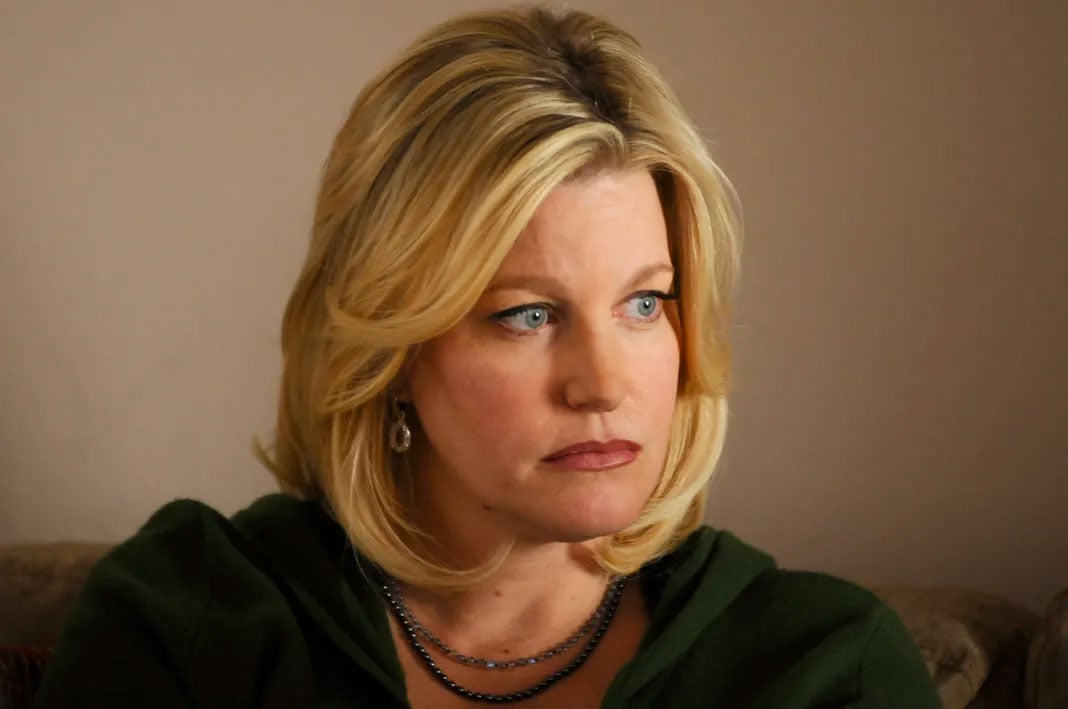
Image Credit: Getty Images
A Larger Conversation About Female Characters
The renewed discussion around Skyler White ties into a broader issue in television: how female characters are perceived compared to their male counterparts.
While Walter White was widely embraced as a complex antihero, Skyler was often judged more harshly for her reactions to his actions.
Cranston’s comments highlight this disparity, suggesting that audiences may have been more willing to excuse Walter’s behavior while criticizing Skyler for challenging him.
The Legacy of Skyler White’s Character
Years after Breaking Bad ended, Skyler remains one of the most talked-about characters in the series.
Her storyline continues to spark debate, with many viewers now reassessing her role through a different lens. In recent years, there has been a noticeable shift in how audiences interpret her actions, with more people recognizing the complexity of her situation.
Cranston’s defense adds to this evolving perspective, reinforcing the idea that Skyler’s character was often misunderstood.
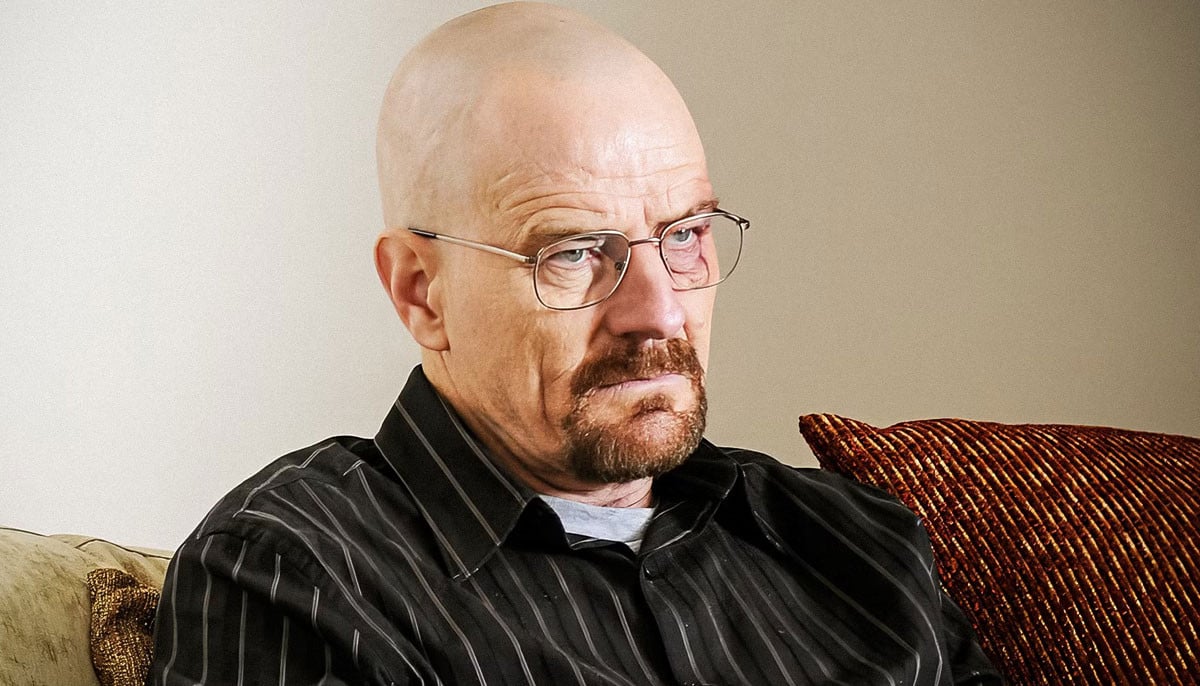
Image Credit: Getty Images
How Time Has Changed Audience Perception
When Breaking Bad first aired, much of the conversation around its characters was driven by immediate emotional reactions.
Over time, however, retrospective analysis has allowed audiences to engage with the story more thoughtfully. This has led to a growing appreciation for characters like Skyler, whose actions may have seemed frustrating in the moment but make more sense when viewed within the full context of the narrative.
Cranston’s comments reflect this shift, aligning with a more nuanced understanding of the show’s dynamics.
The Enduring Impact of Breaking Bad
Breaking Bad remains one of the most influential television series of all time, known for its complex characters and moral ambiguity.
The show’s ability to spark ongoing conversation years after its conclusion speaks to its lasting impact. Characters like Walter and Skyler continue to be analyzed, debated, and reinterpreted by fans and critics alike.
This latest discussion is just another example of how deeply the series continues to resonate.

Image Credit: Lewis Jacobs / AMC / Courtesy Everett Collection
Why Cranston’s Comments Matter Now
Cranston’s defense of Skyler comes at a time when audiences are increasingly reexamining past media through a more critical lens.
Conversations about character portrayal, gender dynamics, and audience bias have become more prominent, making his perspective particularly relevant.
By addressing the backlash directly, Cranston is contributing to a broader reevaluation of how stories—and the characters within them—are understood.
Final Thoughts
Bryan Cranston’s defense of Skyler White offers a powerful reminder that context matters when judging characters. What was once seen by some as frustrating behavior can now be understood as a realistic response to extraordinary circumstances.
As Breaking Bad continues to be revisited by new and longtime viewers, discussions like this help deepen appreciation for its storytelling—and for the characters who made it unforgettable.
FAQs
Q1: What did Bryan Cranston say about Skyler White?
He defended her, saying her actions were understandable given Walter White’s behavior.
Q2: Why was Skyler criticized by fans?
Many viewers saw her as an obstacle to Walter White, labeling her negatively during the show’s run.
Q3: Who played Skyler White?
She was played by Anna Gunn.
Q4: What is Breaking Bad about?
It follows Walter White, a chemistry teacher who becomes involved in producing illegal drugs.
Q5: Has perception of Skyler changed over time?
Yes, many viewers now see her character as more justified and complex.
Published by HOLR Magazine