


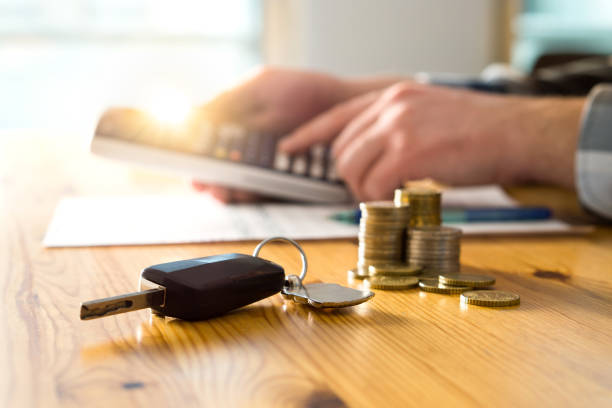
Owning a vehicle is a major part of daily life for most people. It provides freedom to travel and helps with the daily commute to work or school. Monthly payments and fuel are only the start of the financial commitment.
These costs can quickly eat into a personal budget if they are not tracked carefully. Understanding how these expenses shift over time is key to staying financially healthy. Managing a vehicle is about more than just driving from point A to point B.

The Cost Of New Cars Today
Buying a fresh set of wheels is becoming a larger investment for many families. New regulations and safety standards often lead to higher manufacturing price tags.
A federal report mentions that when manufacturers face higher production costs, they usually pass those extra dollars down to the buyer.
Car shoppers find themselves looking at higher monthly payments than in previous years. Inflation affects the parts and labor used to build modern vehicles.
Advanced technology like touchscreens and sensors adds to the total bill. Prices for the latest models continue to climb as demand for better features grows. Buyers need to think about how a large loan affects their long-term wealth.
Managing Your Insurance Expenses
Protecting your vehicle is a legal requirement that adds to the monthly tally. Many drivers spend hours finding the cheapest car insurance in Texas, Ohio, or wherever they are to keep their bank accounts from draining. Comparison shopping is a smart way to lower these fixed costs.
It helps to look at multiple providers every year. Rates change often, and staying with the same company might cost you more. Credit scores and driving history play a huge role in what you pay.
Keeping a clean record helps you qualify for lower premiums. Some people choose higher deductibles to save money on their monthly bills.
Electric Vehicle Market Changes
Technology is changing how we think about the long-term value of a car. Battery prices have seen a significant drop recently, which helps make electric models more competitive. An international energy group found that battery pack prices dropped over 25% in just 1 year.
This shift might make switching to an electric vehicle a smarter financial move for some households. Lower prices at the start help save money over the life of the car. Charging an electric car is usually cheaper than buying gasoline.
Many cities offer free charging stations in public parking lots. Tax credits and local incentives can further lower the purchase price. Maintenance is often simpler since these cars have fewer moving parts.
Record High Premium Rates
Insurance rates are climbing across the board for almost every type of driver. Recent data shows that the average cost for auto coverage is set to hit a record high of $2,101 per year in 2025. These spikes often happen when repair costs and medical expenses for accidents rise.
Staying informed about these trends helps you prepare for your next renewal notice. Planning for these increases can stop them from being a surprise. Severe weather and natural disasters affect insurance prices, too.
Insurance companies raise rates to cover the cost of claims in high-risk areas. Drivers in safe neighborhoods may still see prices go up from statewide trends. Understanding these factors helps you budget for the road ahead.
Maintenance And Repair Needs
Keeping a car running safely requires regular trips to the mechanic. Older vehicles often need more frequent part replacements, like tires or brakes. Neglecting these small tasks can lead to massive repair bills later.
A well-maintained car retains more value when it is time to sell. Regular check-ups find small problems before they become big issues. It is a good idea to keep a folder with all your service receipts.
This record proves to future buyers that you took care of the machine. Taking care of small items saves money. Here is a list of basic tasks:
- Changing oil every few thousand miles.
- Rotating tires to prevent uneven wear.
- Replace air filters for better fuel efficiency.
- Checking brake pads for safety.
Fuel Economy And Commuting
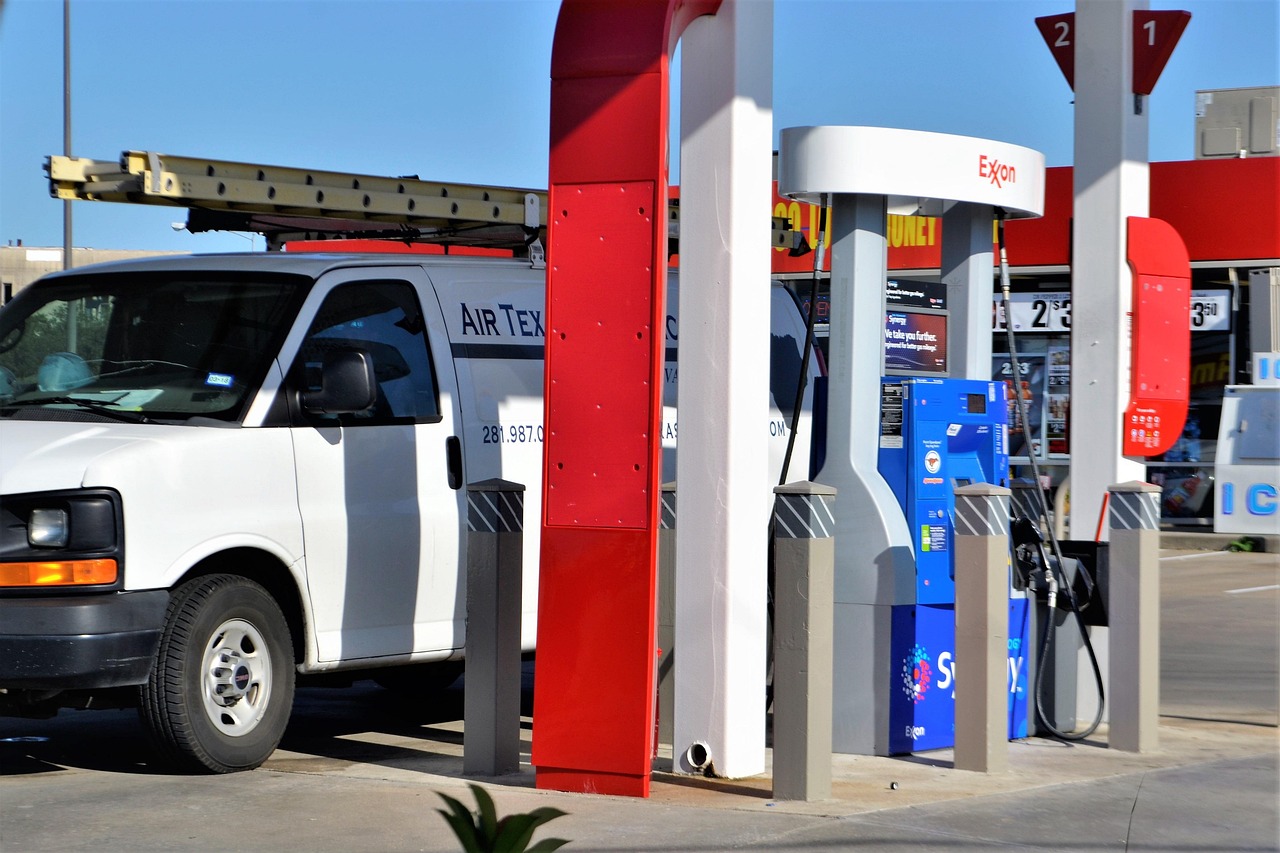
Gas prices fluctuate based on global markets and local supply levels. Choosing a car with better mileage can save hundreds of dollars every month. Long commutes add wear to the engine and decrease the overall resale value of the car.
Planning your trips can help reduce the total miles you put on the odometer. Efficient driving habits contribute to lower fuel use, too. Aggressive driving and speeding use up gas much faster.
Maintaining a steady speed on the highway is a simple way to save money. Using a mobile app to find the lowest gas prices in your town is a smart move. Every cent saved at the pump adds up over a year.
Impact On Personal Savings
High car payments can prevent people from reaching other financial goals, like buying a home. Saving for a large down payment can help lower the interest rates on a loan.
A vehicle should support your lifestyle without becoming a heavy burden. Many people overlook the cost of parking or registration fees. Registration and local taxes can vary widely by state.
Taking out a long-term loan might seem easy at first. High interest rates can mean you pay much more than the car is worth. Buying a reliable used car is often a better choice for your bank account.
Managing car costs is a balancing act between necessity and luxury. Small changes in how you drive or where you shop for service make a difference. Keeping a close eye on your spending keeps your vehicle a tool for freedom.
With the right planning, you can navigate the road ahead without crashing your budget. Every dollar saved on transportation is a dollar that can grow your future wealth. Choosing the right vehicle involves looking at the long-term impact on your wallet.
Published by HOLR Magazine.