


Civil rights legacy faces serious scrutiny
Allegations Against a Revered Figure
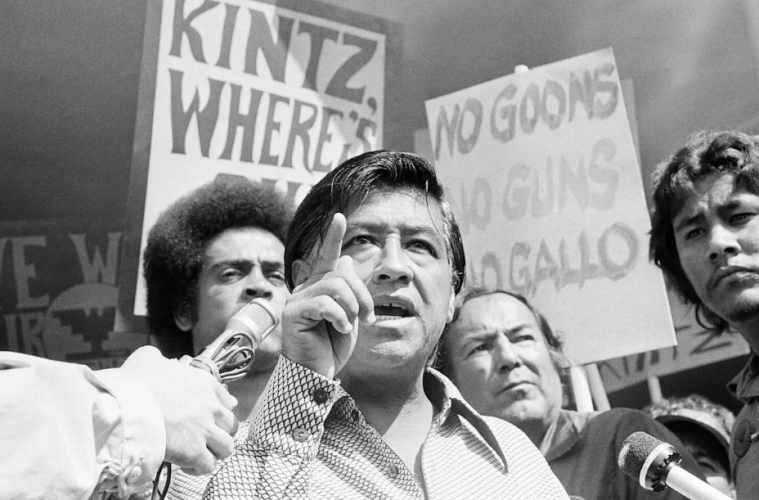
March 19, 2026 – Cesar Chavez, long celebrated as a champion of farmworkers’ rights and a defining figure in American civil rights history, is now at the center of deeply troubling allegations. Reports have surfaced accusing Chavez of abusing young girls over an extended period, raising questions that challenge the long-standing narrative surrounding his legacy. These claims, though not universally verified in all details, have reignited debate about how societies reconcile admiration for influential leaders with accusations of serious misconduct.
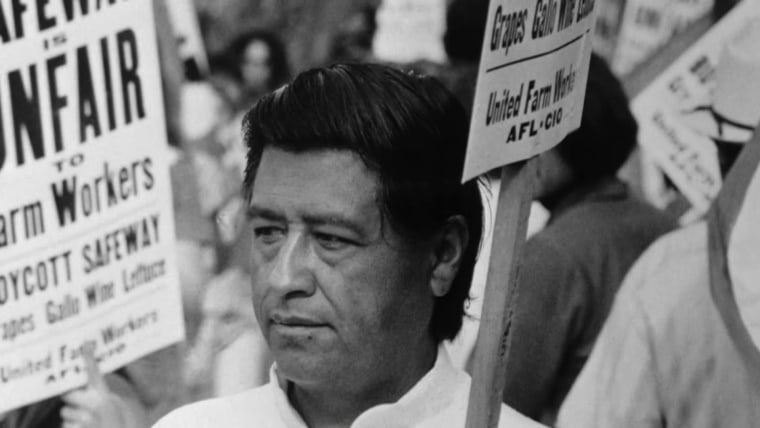
Image Credit: Getty Images
The Legacy of Cesar Chavez
Chavez co-founded the United Farm Workers (UFW) and became a symbol of nonviolent resistance, advocating for better wages, safer working conditions, and dignity for agricultural laborers. His efforts led to nationwide boycotts, labor reforms, and a broader awareness of the struggles faced by migrant workers. For decades, his name has been synonymous with justice, sacrifice, and grassroots activism. Streets, schools, and even a U.S. federal holiday commemorate his contributions.
Emerging Claims and Public Reaction
The resurfacing of abuse allegations has triggered strong reactions across communities, particularly among those who have long viewed Chavez as a moral and political icon. Some advocates are calling for a deeper investigation into historical records and testimonies, while others urge caution, emphasizing the need for verified evidence before drawing conclusions. The discourse has rapidly expanded online, where public opinion is sharply divided between those demanding accountability and those defending Chavez’s legacy.
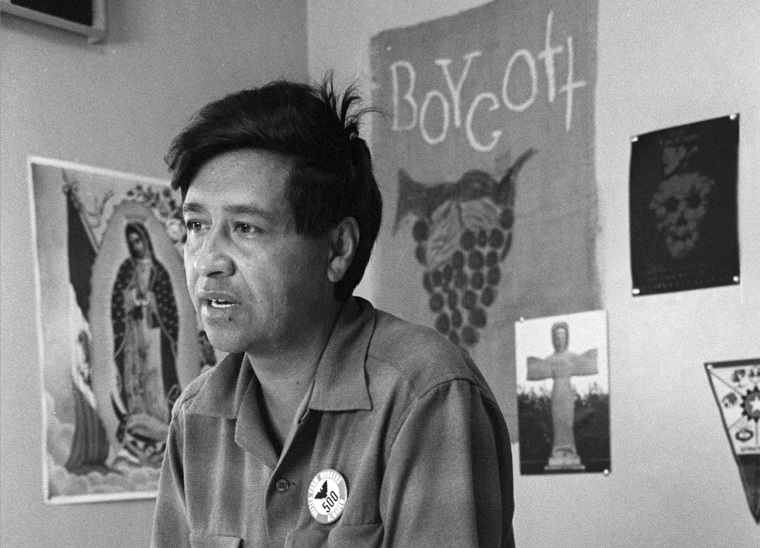
Image Credit: George Brich / AP file
Historical Context and Silence
One of the most complex aspects of the situation is the historical context in which Chavez lived and worked. During his lifetime, discussions around abuse—especially involving powerful figures—were often suppressed or ignored. This has led some analysts to argue that such allegations, if true, may have remained hidden due to societal norms, power imbalances, and lack of institutional support for victims. Revisiting these claims decades later underscores the evolving standards of accountability in public life.
The Challenge of Separating Legacy from Allegations
The controversy highlights a broader cultural dilemma: can the achievements of a public figure be separated from their alleged personal misconduct? Chavez’s contributions to labor rights remain historically significant, yet these new claims complicate how his story is told. Educational institutions, historians, and advocacy groups may now face pressure to present a more nuanced narrative that acknowledges both his impact and the allegations against him.

Image Credit: Cathy Murphy/Getty Images
Impact on Institutions and Memorials
As the allegations gain attention, institutions named after Chavez—including schools, community centers, and public programs—may face renewed scrutiny. Some communities are already engaging in discussions about whether such honors should be reevaluated. This mirrors similar debates seen globally, where monuments and legacies of historical figures are reassessed in light of new information or changing societal values.
Voices Calling for Accountability
Survivor advocacy groups and civil rights commentators emphasize that the seriousness of such allegations demands careful attention. They argue that acknowledging potential wrongdoing does not erase Chavez’s contributions but rather ensures a more honest and inclusive historical record. For many, this moment represents an opportunity to prioritize victims’ voices and reinforce the importance of accountability, regardless of a person’s stature.

Image Credit: Carl Crawford/Fresno Bee/Reuters
Media, Memory, and Responsibility
The role of media in shaping public understanding of Chavez is also under examination. For years, portrayals of Chavez have largely focused on his achievements, often omitting or overlooking controversies. As new allegations emerge, journalists and storytellers are being challenged to present a more balanced view, one that neither sensationalizes nor dismisses the gravity of the claims.
Final Thoughts
The allegations against Cesar Chavez mark a pivotal moment in how society engages with its heroes. While his contributions to labor rights remain undeniable, the emergence of serious accusations introduces a necessary complexity to his legacy. Moving forward, the conversation will likely center on truth, accountability, and the responsibility to confront uncomfortable histories with honesty and care.
FAQs
Q1: Who was Cesar Chavez?
Cesar Chavez was an American labor leader and civil rights activist who co-founded the United Farm Workers and led efforts to improve conditions for agricultural workers.
Q2: What are the recent allegations about?
The allegations claim that Chavez abused young girls over a period of time, though details and verification of these claims are still being discussed publicly.
Q3: Are these allegations proven?
As of now, the allegations remain part of an ongoing public and historical discussion, and not all claims have been conclusively verified.
Q4: How are people reacting to the news?
Reactions are mixed, with some calling for accountability and investigation, while others emphasize preserving Chavez’s legacy until more evidence is confirmed.
Q5: Could this affect Chavez’s legacy?
Yes, these allegations may lead to a reassessment of how Chavez is remembered and honored in public spaces and historical narratives.
Published by HOLR Magazine