


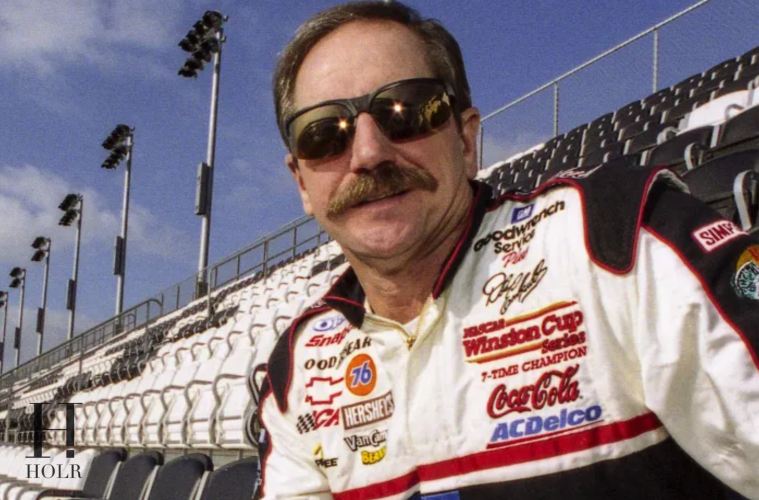
Dale Earnhardt’s Death, 25 Years Later: Inside the Race Car Driver’s Final Moments
18-Feb-2026: Twenty-five years after his tragic death, Dale Earnhardt’s legacy remains deeply woven into the fabric of NASCAR. Known as “The Intimidator,” the seven-time champion was one of the most iconic and respected figures in stock car racing history.
His sudden passing during the final lap of the 2001 Daytona 500 changed the sport forever.
:max_bytes(150000):strip_icc():focal(705x535:707x537):format(webp)/dale-earnhardt-sr-daytona-international-speedway-021826-65625fc1b1014468a4a8ec1980ccbacd.jpg)
Image Credit: Getty
The 2001 Daytona 500
The crash initially appeared less severe than other wrecks seen that day. However, the impact proved fatal. Earnhardt was transported to Halifax Medical Center, where he was later pronounced dead at age 49.
:max_bytes(150000):strip_icc():focal(945x0:947x2):format(webp)/Dale-Earnhardt-Talladega-Superspeedway-021726-331f08153fb6482195a6ab0d9bde1a0d.jpg)
Image Credit: Getty
The Shock to NASCAR
Earnhardt’s death stunned the racing world. A veteran driver with decades of experience, he was considered nearly invincible on the track. The loss of such a towering figure left fans, drivers and officials grappling with grief.
The tragedy marked a turning point for NASCAR, prompting widespread safety reforms.
:max_bytes(150000):strip_icc():focal(749x0:751x2):format(webp)/Dale-Earnhardt-Daytona-500-crash-021726-4fd7a8486ee7491780a77eee83dfdfd2.jpg)
Image Credit: Marc Serota/Liaison
Lasting Safety Changes
In the years following the accident, NASCAR implemented significant safety measures, including:
- Mandatory use of the HANS (Head and Neck Support) device
- Improved seat belt and restraint systems
- SAFER barriers (Steel and Foam Energy Reduction walls) installed at tracks
- Car design modifications to enhance driver protection
These changes have been credited with preventing serious injuries and saving lives in subsequent crashes.
:max_bytes(150000):strip_icc():focal(749x0:751x2):format(webp)/Dale-Earnhardt-memorial-outside-Earnhardts-corporate-headquarters-021726-ba316ff9dad04b94af20f8d07549c9e6.jpg)
Image Credit: Getty
A Legacy Beyond the Track
Dale Earnhardt’s influence extended far beyond his championships. Known for his aggressive driving style and blue-collar persona, he became a symbol of toughness and determination in American motorsports.
Today, his legacy lives on through his family — including his son, Dale Earnhardt Jr. — and through the continued evolution of racing safety standards inspired by his loss.
Twenty-five years later, Earnhardt is remembered not only as one of NASCAR’s greatest competitors, but as the driver whose tragic final race helped reshape the sport for generations to come.
FAQs
1. When did Dale Earnhardt die?
Dale Earnhardt died on February 18, 2001, during the final lap of the Daytona 500.
2. How did Dale Earnhardt die?
He suffered fatal injuries after crashing into the outside wall during the last lap of the race.
3. How old was Dale Earnhardt when he died?
He was 49 years old.
4. What safety changes followed his death?
NASCAR introduced mandatory head and neck restraints, improved car safety features and installed SAFER barriers at tracks.
5. Why is Dale Earnhardt called “The Intimidator”?
The nickname reflected his aggressive driving style and commanding presence on the track.
What are the biggest stories trending online today? Read the latest here
Published by HOLR Magazine