


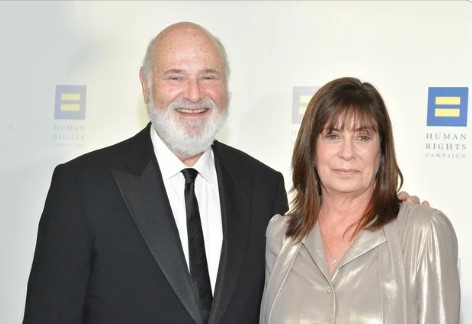
Donald Trump criticized after post sparks Rob Reiner death confusion
December 15, 2025 — Donald Trump is facing sharp criticism after sharing a social media post that appeared to suggest the death of filmmaker and actor Rob Reiner, prompting widespread confusion and calls for the former president to delete the message. Critics across political and entertainment circles have described the post as “dreadful,” arguing that it crossed a line by spreading misleading and potentially harmful information.
The controversy unfolded quickly after Trump published the post on his platform, with the wording leading many readers to believe that Reiner had died. Within minutes, alarmed users began questioning the claim, while others rushed to confirm Reiner’s status. It soon became clear that the acclaimed director — known for classics such as The Princess Bride, Stand By Me, When Harry Met Sally…, and A Few Good Men — is alive, intensifying backlash against Trump for what many called an irresponsible and careless message.
Confusion Spreads at Lightning Speed
Social media reaction was swift and unforgiving. Screenshots of the post circulated widely, with users accusing Trump of either intentionally misleading his audience or failing to consider how his words would be interpreted. In the digital age, where posts can reach millions instantly, critics argued that even vague or metaphorical language can have serious real-world consequences.
False death reports are particularly sensitive, as they can cause emotional distress not only to fans but also to families and close friends. Several commentators pointed out that public figures — especially those with large followings — carry an added responsibility to communicate clearly and accurately. In this case, many felt that responsibility had been ignored.
Growing Calls for Deletion
As criticism mounted, pressure grew for Trump to remove the post altogether. Media figures, political analysts, and everyday users alike urged him to either delete the message or issue a clear correction. Some described the post as “reckless,” while others said it demonstrated a broader pattern of inflammatory online behavior that prioritizes provocation over accuracy.
Even individuals who are politically opposed to Rob Reiner emphasized that disagreements should never extend to spreading misinformation about someone’s life or death. The consensus among critics was clear: political commentary does not excuse false or misleading statements, particularly when they can cause unnecessary panic.
Rob Reiner and Trump’s Longstanding Feud
Rob Reiner has been an outspoken critic of Trump for years, frequently using his platform to voice opposition to Trump’s policies, rhetoric, and political influence. His activism has made him a frequent target of harsh commentary, especially on social media. However, many observers noted that this history only makes the recent post more troubling.
Political rivalries, they argued, should not blur the line between criticism and factual misrepresentation. Several commentators stressed that implying someone has died — intentionally or not — is not political speech but misinformation, and one that undermines meaningful public discourse.
Reaction From the Entertainment World
The entertainment industry also reacted strongly, with fans and colleagues expressing frustration over how easily false claims can spread when amplified by a high-profile figure. Many took to social media to reassure followers that Reiner was alive, while also condemning the post for its potential to cause distress.
Some pointed out that older public figures are particularly vulnerable to death hoaxes, which can gain traction quickly and be difficult to fully undo. Once such rumors circulate, corrections often fail to reach the same audience as the original claim, leaving lasting confusion in their wake.
Accountability in the Digital Age
The incident has reignited broader conversations about accountability and responsibility online. As social platforms continue to shape public opinion, critics argue that influential users should be held to higher standards — especially when their statements concern serious matters like a person’s life or death.
Experts in media ethics note that clarity and context are essential, particularly for figures whose posts are routinely shared and dissected. A single poorly worded message, they argue, can spark widespread misinformation before fact-checkers or corrections can intervene.
Silence Raises Further Questions
At the time of writing, Trump has not publicly clarified or deleted the post, a silence that has only intensified criticism. Observers argue that failing to address the situation allows misinformation to linger and signals indifference to the harm caused.
Rob Reiner, for his part, has not directly responded to the post. His lack of comment has done little to quell the controversy, as attention remains focused on Trump’s responsibility to correct the record rather than on Reiner himself.
A Reminder of the Power of Words
Ultimately, the backlash underscores how powerful — and dangerous — words can be in an era of instant communication. What may have been intended as rhetoric or insult quickly became something far more serious, highlighting the fragile boundary between provocation and misinformation.
As calls for deletion continue, the incident serves as a cautionary tale about the consequences of careless online speech. For many critics, the solution remains straightforward: remove the post, acknowledge the error, and move forward. Whether that happens remains to be seen.
Published by HOLR Magazine