


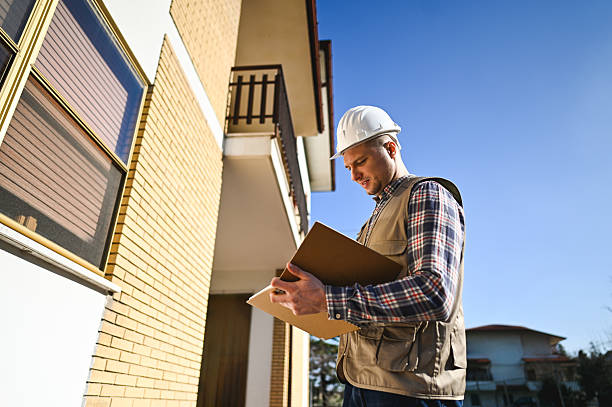
Recovering from a natural disaster can feel overwhelming when your home has sustained significant damage. Storms, floods, wildfires, and earthquakes often leave behind hazards that require quick attention. While the recovery process may be emotional, taking clear, organized steps helps restore safety and stability. The key is knowing which repairs to prioritize so your home remains structurally sound and livable.
Addressing urgent issues first prevents long-term complications and reduces repair costs. With the right approach, you can rebuild efficiently and protect your property from additional harm.
Identifying and Repairing Roof and Structural Damage
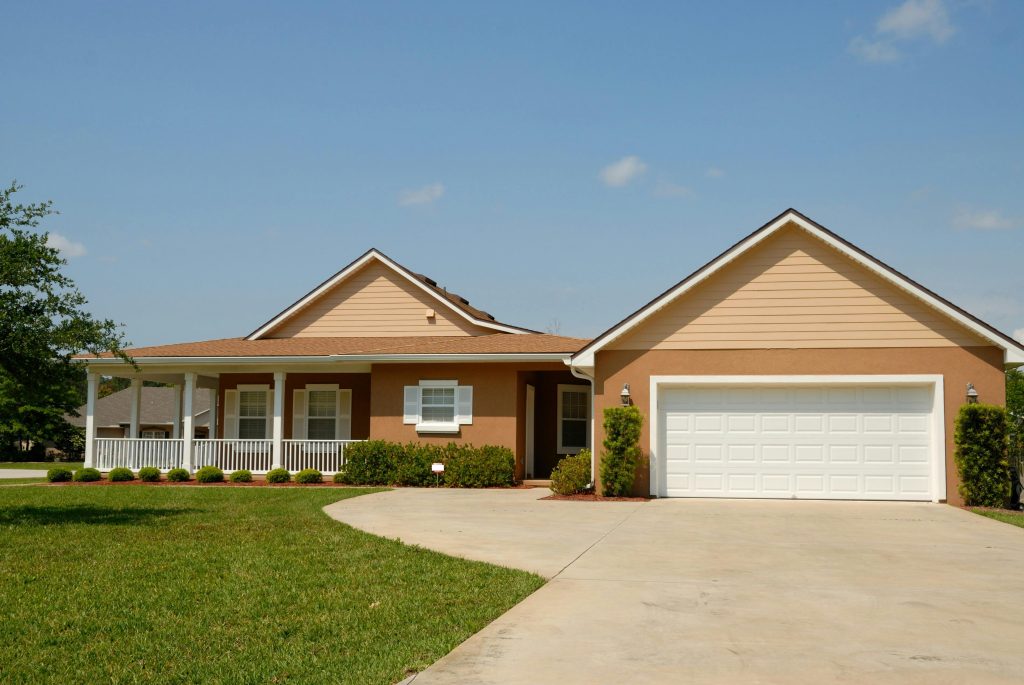
The roof often takes the brunt of extreme weather. High winds, debris, and heavy rainfall weaken shingles, flashing, and underlying materials. Homeowners dealing with roof damage from storms often discover leaks, missing sections, or sagging areas that require prompt repair. Assessing the roof early ensures water does not continue entering the home and causing mold, rot, or interior destruction. Professionals may recommend temporary coverings before installing permanent fixes.
Beyond the roof, the home’s framework may need evaluation. Cracked walls, shifted foundations, and split beams can signal hidden structural issues. These problems pose safety risks and should be addressed immediately. A structural engineer or qualified contractor helps determine the extent of the damage and guides safe restoration.
Quick action protects your home from escalating repair needs and helps secure the building for continued use.
Removing Debris and Clearing Damaged Materials
Natural disasters often leave behind broken glass, fallen branches, insulation, mud, and damaged possessions. While cleaning up can be physically and emotionally challenging, clearing debris early allows you to identify deeper issues. Always wear protective gear such as gloves, boots, and masks to avoid injury or exposure to contaminated materials.
Removing damaged drywall, flooring, and insulation prevents mold growth and improves ventilation. These materials often absorb water quickly and become unsafe to leave in place. Once the space is cleared, airflow improves, allowing the home to dry more efficiently.
Sorting items into salvageable and unsalvageable categories helps streamline insurance claims and reduce clutter.
Addressing Water Damage and Preventing Mold
Water damage can escalate quickly after a natural disaster. Even a few inches of standing water can compromise flooring, walls, and furniture. Once moisture enters the home, mold may begin forming within forty-eight hours. Preventing this requires immediate drying and dehumidifying.
Fans, air movers, and dehumidifiers help accelerate the process. In cases of severe flooding, professional water restoration teams ensure moisture is fully removed from hidden spaces like wall cavities and subflooring.
After drying, disinfecting affected areas prevents bacterial growth. Replacing saturated carpet, padding, and damaged wood helps restore a safe environment. Addressing water damage early makes reconstruction smoother and protects long-term health.
Restoring Electrical, Plumbing, and HVAC Systems
Electrical systems often sustain damage during natural disasters. Exposed wires, flooded outlets, or shorted panels pose serious hazards. A licensed electrician should inspect circuits, outlets, and panels before you attempt to turn power back on. Any unusual sounds, burning odors, or flickering lights require immediate attention.
Plumbing systems may become compromised. Broken pipes, clogged drains, or sewage backups create additional risks. Professional plumbers help identify leaks, replace damaged lines, and restore clean water access.
HVAC systems often require cleaning and inspection if they have been exposed to water or debris. Air filters, ductwork, and outdoor units may need repairs or replacement to maintain air quality and efficiency.
Ensuring these systems function safely supports habitability and protects your home from further damage.
Repairing Windows, Doors, and Exterior Openings
High winds, falling trees, and flying debris frequently damage windows and doors. Broken glass and warped frames reduce security and allow moisture, pests, and outdoor air to enter the home. Repairing or replacing these openings early helps secure the property and protect interior spaces.
Weatherstripping, caulking, and sealing cracks help restore energy efficiency. When frames shift or become misaligned, professionals may need to reinforce the surrounding structure.
Taking action on exterior openings prevents further weather-related damage and helps maintain a stable indoor environment.
Rebuilding Walls, Ceilings, and Interior Finishes
Once the structure is stable and utilities are safe, interior restoration can begin. Damaged drywall, cracked plaster, and stained ceilings often need replacement. Restoring these surfaces brings the home closer to pre-disaster condition and prepares it for painting or refinishing.
Flooring may require attention. Warped wood, soaked carpet, and loosened tiles often need removal. New flooring materials should be installed only after the subfloor is fully dry and structurally sound.
This stage provides a sense of progress and helps homeowners regain comfort and normalcy.
Recovering from a natural disaster requires patience and careful planning. By identifying major damage, addressing safety hazards, restoring utilities, and rebuilding step by step, homeowners regain stability and protect their property.
With thoughtful repairs and support from skilled professionals, your home becomes safe, strong, and ready for future seasons.
Published by HOLR Magazine.