


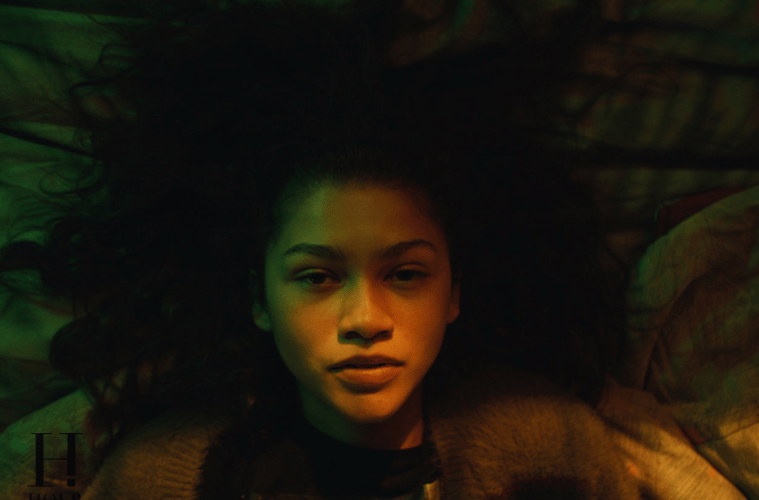
Euphoria Teen Drama Criticism Grows As Fans Question Its Cultural Impact
Why Everyone Is Talking About Euphoria
April 7, 2026 — Since its debut, Euphoria has dominated conversations around modern television. Known for its striking visuals, raw storytelling, and breakout performances—particularly by Zendaya—the show quickly became a defining series for a new generation.
But alongside its success, a growing wave of criticism has labeled it as one of TV’s most “toxic” dramas. From its portrayal of teenage life to its intense themes, the show has sparked ongoing debates about its influence and responsibility.

Image Credit: The Telegraph
The Allure: Why Euphoria Became a Sensation
At its core, Euphoria offers a stylized and emotionally charged look at adolescence. It tackles issues like addiction, identity, relationships, and mental health with a level of intensity rarely seen in teen-focused shows.
Its cinematic approach—featuring bold lighting, music, and visual symbolism—helped it stand out in a crowded streaming landscape. For many viewers, it feels less like a traditional series and more like an immersive experience.
This unique blend of artistry and realism is what initially drew audiences in. It presented teenage struggles in a way that felt both exaggerated and deeply personal.
Where the “Toxic” Label Comes From
The criticism surrounding Euphoria largely centers on how it portrays sensitive topics.
Some viewers argue that the show glamorizes destructive behaviors, including substance abuse and unhealthy relationships. The concern isn’t just about what is shown—but how it’s shown. The visually stunning presentation can sometimes blur the line between critique and celebration.
Others point to the explicit nature of certain scenes, questioning whether the depiction of teenage characters crosses a line. For critics, the issue isn’t that these topics are explored—but that they may lack sufficient context or consequences.

Image Credit: i-D
The Impact on Young Audiences
One of the biggest concerns is how younger viewers interpret the show. While Euphoria is intended for mature audiences, its popularity among teens is undeniable.
Social media has amplified its reach, turning scenes, quotes, and aesthetics into viral trends. From makeup looks to fashion choices, the show has influenced how young people express themselves.
However, this influence comes with risks. Critics worry that repeated exposure to intense themes—without clear messaging—could normalize harmful behaviors or unrealistic expectations.
Zendaya’s Performance vs The Narrative Debate
Zendaya has been widely praised for her portrayal of Rue, a character struggling with addiction. Her performance is often cited as one of the show’s strongest elements, bringing depth and authenticity to the story.
Yet, even this acclaim feeds into the broader debate. Some argue that while the acting is powerful, the narrative itself can be inconsistent in how it frames consequences and recovery.
This contrast—between exceptional performances and controversial storytelling—is a key reason the show continues to divide audiences.
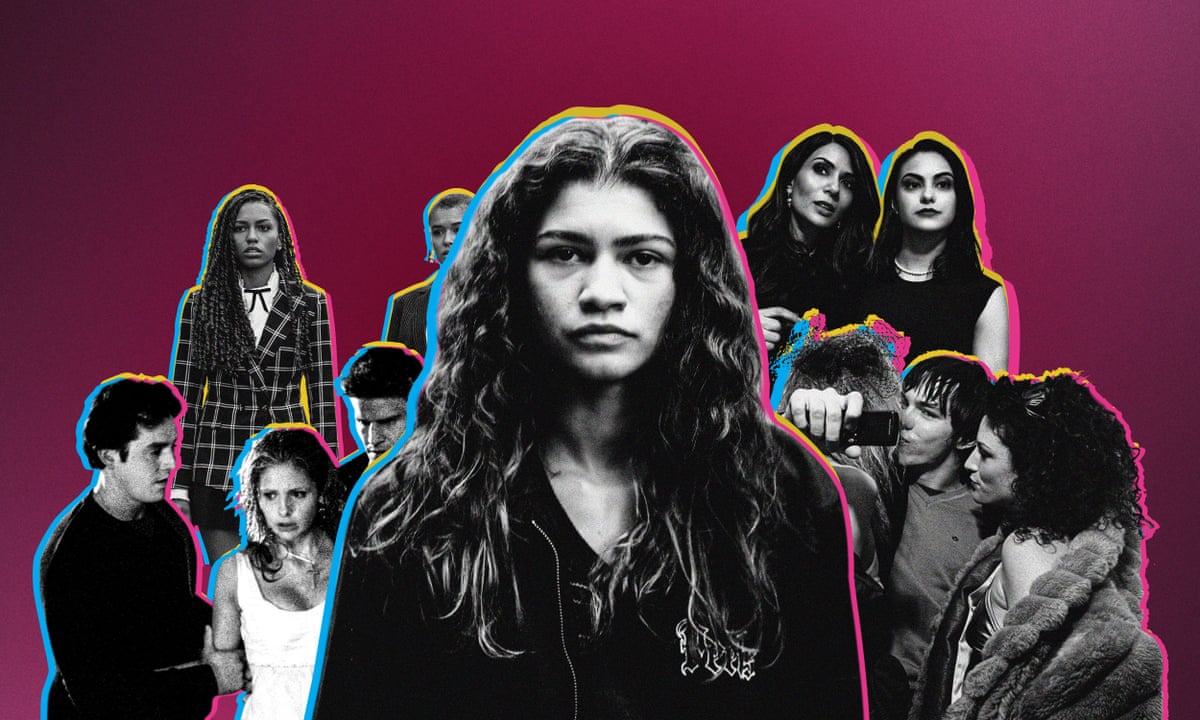
Image Credit: The Guardian
Social Media’s Role in Amplifying the Debate
Platforms like TikTok and online forums have played a major role in shaping how Euphoria is perceived.
Clips are often taken out of context, highlighting the most visually dramatic or shocking moments. This can create a skewed understanding of the show, especially for those who haven’t watched it in full.
At the same time, these platforms have given fans a space to analyze and critique the series in real time, turning it into an ongoing cultural conversation rather than just a TV show.
Is Euphoria Reflecting Reality or Shaping It?
One of the most important questions surrounding the show is whether it reflects real teenage experiences or actively shapes them.
Supporters argue that Euphoria is simply holding up a mirror to modern youth culture, addressing issues that are often ignored or misunderstood.
Critics, however, believe that its stylized approach can distort reality, making extreme situations appear more common—or even desirable—than they actually are.
The truth likely lies somewhere in between. The show both reflects and influences, creating a feedback loop between media and audience.
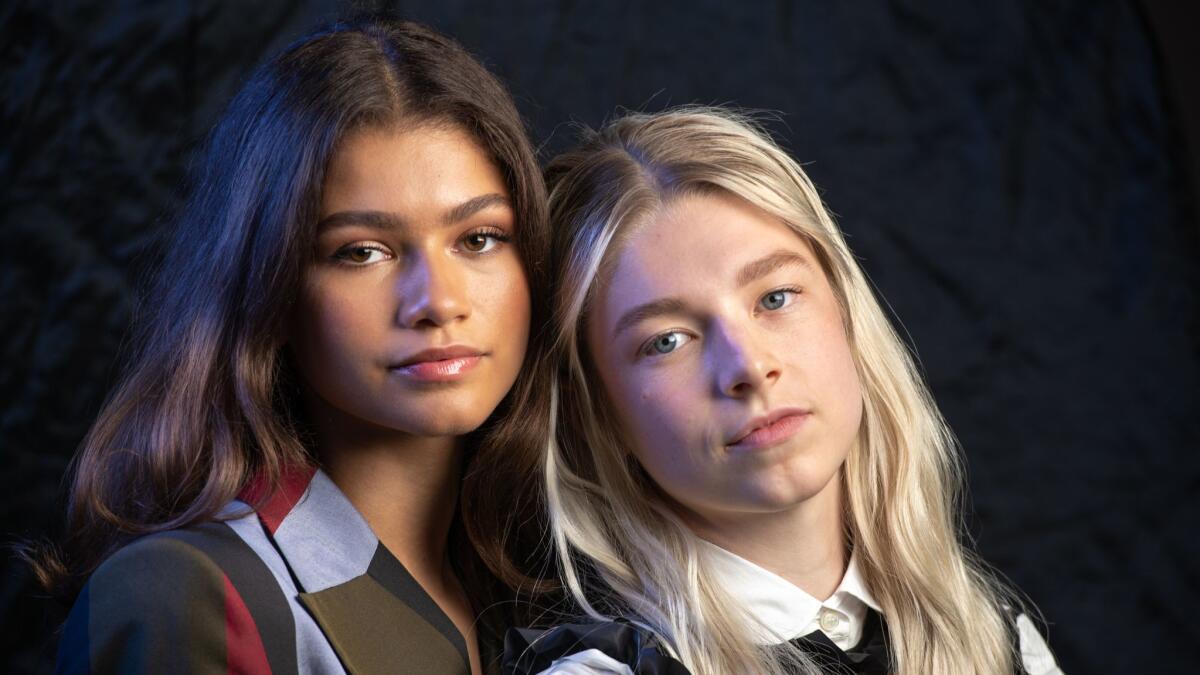
Image Credit: Los Angeles Times
The Bigger Picture: Changing Standards in Teen Television
The controversy surrounding Euphoria highlights a broader shift in television. Teen dramas are no longer limited to lighthearted storytelling—they’re tackling complex, often uncomfortable topics.
This evolution has opened the door for more honest conversations, but it has also raised questions about boundaries and responsibility.
As audiences become more critical and aware, shows like Euphoria are being evaluated not just for entertainment value, but for their cultural impact.
Conclusion: A Show That Divides and Defines
Love it or criticize it, Euphoria has undeniably left a mark on modern television.
Its ability to spark conversation is part of what makes it so powerful. But that same power comes with scrutiny, as viewers continue to question what the show represents—and what it leaves unsaid.
In the end, Euphoria isn’t just a series—it’s a reflection of the complexities of storytelling in today’s media landscape.
FAQs
Why is Euphoria called a toxic show?
Critics argue that it glamorizes harmful behaviors and presents intense themes in a visually appealing way that may blur their seriousness.
Is Euphoria appropriate for teenagers?
The show is intended for mature audiences, but many teens watch it, which has raised concerns among critics.
What makes Zendaya’s performance stand out?
Zendaya delivers a deeply emotional and realistic portrayal of addiction.
Does Euphoria reflect real life?
It reflects certain aspects of modern youth culture but is also highly stylized, which can exaggerate reality.
Why is the show so popular?
Its unique visuals, bold storytelling, and strong performances have made it a cultural phenomenon.
Published by HOLR Magazine